What’s it like living in Batley?
Geography and Housing
Batley, located within the Kirklees district, is part of the Heavy Woollen District, historically known for its textile industry. The town’s landscape features gentle hills and valleys, influencing the layout of residential areas. The urban space is densely populated, interspersed with green spaces such as Wilton Park.
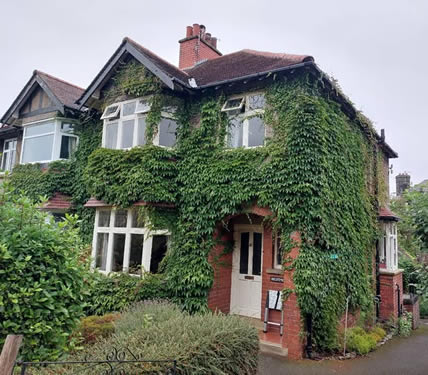
The housing stock in Batley is varied. Terraced houses dominate areas like Healey and Staincliffe, originally built for mill workers. These properties often feature traditional Yorkshire stone and compact living spaces. Upper Batley offers larger detached and semi-detached homes, many dating back to the 19th century, built by affluent mill owners. These properties generally have spacious gardens and off-street parking.
Modern housing developments have emerged in different parts of Batley, incorporating contemporary designs and energy-efficient features. These cater to a range of buyers, from first-time homeowners to families seeking larger residences. The town’s natural landscape influences construction, ensuring developments blend with the surroundings.
Unique Attributes of Batley
Batley’s history is reflected in its landmarks and cultural sites. The Bagshaw Museum, housed in a Gothic Revival mansion within Wilton Park, showcases exhibits on local history and international artefacts. Another historical site is All Saints’ Church, a Grade I listed building with architecture from the Decorated and Perpendicular periods.
The town’s industrial past is visible in its former mills and factories, some of which have been repurposed into commercial spaces or residential apartments. This adaptive reuse preserves Batley’s heritage while offering modern amenities.
Neighbourhoods and Amenities
- Healey – A mix of terraced houses and council estates undergoing redevelopment. Jessop’s Park provides green space for recreation.
- Staincliffe – Contains a blend of 19th-century houses and modern homes. The area benefits from proximity to Dewsbury & District Hospital.
- Upper Batley – Known for its conservation area status, featuring stone-built villas and historic properties such as Batley Hall.
The town centre has a mix of independent retailers and larger shopping outlets. The Mill Outlet & Garden Centre is a well-known shopping destination. For leisure, Wilton Park offers landscaped gardens, a lake and play areas, hosting community events throughout the year.
Architectural Traits and Building Materials
- Terraced Houses – Common in areas like Batley Carr, featuring Yorkshire stone facades, slate roofs and sash windows.
- Victorian Villas – Found in Upper Batley, built with local sandstone and featuring ornate detailing.
- Modern Developments – New housing estates use brick and render finishes with a focus on energy efficiency.
Older stone properties may require specific maintenance to preserve their structural integrity.
Flooding Risk and Radon Levels
- Flooding Risk – The town’s topography generally reduces the risk of widespread flooding, though some low-lying areas may experience surface water accumulation.
- Radon Levels – Batley is in a low radon potential area, with minimal risks to homeowners. Radon testing is recommended for properties undergoing major renovations.
Crime in Batley
Batley is among the top five most dangerous medium-sized towns in West Yorkshire and ranks as the 30th most dangerous location out of 118 towns, villages and cities in the region. The overall crime rate in Batley in 2023 was 137 crimes per 1,000 people, which is 6% higher than West Yorkshire’s average of 128 per 1,000.
Compared to national figures, Batley ranks as the 30th most dangerous medium-sized town in England, Wales and Northern Ireland, placing 387th overall when considering all towns, cities and villages. Prospective homebuyers should research local crime statistics and consider neighbourhood-specific factors when making purchasing decisions.
Transportation and Connectivity
- Roads – The town is served by the A652 and A62, providing access to Leeds, Bradford and Huddersfield.
- Rail – Batley railway station offers services to Leeds, Manchester and beyond.
- Public Transport – Regular bus services connect Batley with surrounding towns, including Dewsbury and Wakefield.
Education and Family Life
Batley has a range of educational facilities:
- Primary Schools – Several well-rated schools, including Field Lane Junior, Infant & Nursery School.
- Secondary Schools – Notable options include Batley Grammar School and Upper Batley High School.
- Further Education – Kirklees College provides vocational courses and training opportunities.
The town also has family-friendly amenities, including parks, leisure centres and community groups catering to different interests.
Comparison with Nearby Areas
When compared to neighbouring towns, Batley offers a balance of affordability and accessibility.
- Compared to Dewsbury – Batley has a slightly lower crime rate and more green spaces, though Dewsbury has a larger shopping centre and hospital.
- Compared to Birstall – Birstall benefits from proximity to major retail parks, while Batley offers a wider variety of traditional housing.
Prospective buyers should consider these factors alongside their individual requirements when choosing a home in Batley or its surrounding areas.
Where’s the best place to live in Batley?
Batley offers a range of neighbourhoods catering to different lifestyles and budgets. Some of the best places to live include:
- Upper Batley – This sought-after area is known for its spacious detached and semi-detached homes, many of which date back to the Victorian and Edwardian periods. With its conservation area status, Upper Batley retains an historic character while offering modern amenities. The area has excellent access to schools, including Batley Grammar School and is well-connected to Leeds and Wakefield via the A652. Residents benefit from proximity to Wilton Park, a large green space ideal for leisure activities.
- Howden Clough – Situated on the outskirts of Batley, Howden Clough is a well-connected neighbourhood with a mix of traditional stone-built homes and modern housing estates. The area is popular with families due to its proximity to good primary schools and recreational facilities. The M62 motorway is easily accessible, making it a practical location for commuters working in Leeds, Bradford or Manchester. Local amenities include small shops, eateries and access to larger retail parks in nearby Birstall.
- Healey – A residential area that balances affordability with a suburban feel. Healey offers a mix of older terraced properties and more modern semi-detached homes, making it an attractive option for first-time buyers. The area is known for its green spaces, including Healey Community Centre and playing fields, providing outdoor recreational opportunities. It has good local transport links and is within a short drive of Batley town centre and Dewsbury.
- Birstall (near Batley) – Although technically a neighbouring village, Birstall is one of the most desirable locations for those considering Batley. It has a strong local community, excellent shopping facilities and good schools. The area is home to the popular Birstall Retail Park, featuring large stores, restaurants and entertainment options. Housing in Birstall ranges from period stone cottages to modern detached houses in well-maintained estates. The transport links, including easy access to the M62 and nearby railway stations, make it a convenient choice for professionals commuting to nearby cities.
Each of these areas has its own strengths, whether it’s the historical appeal of Upper Batley, the commuter-friendly location of Howden Clough, the affordability of Healey or the excellent amenities in Birstall. Prospective buyers should consider their priorities, such as transport links, schools and local services, when choosing a location.