What’s It Like to Live in Neath?
Neath is a historic market town in Neath Port Talbot, Wales, enriched by medieval landmarks, a longstanding market tradition and a riverside setting. Its architectural variety and legacy as an industrial hub define the survey considerations relevant to property buyers.
Neath Living – Property and Lifestyle Overview
Architectural Features of Properties
The town comprises a mix of Georgian townhouses, Victorian terraces, early twentieth century workers’ cottages and later council and private estates. Urban core streets also feature scattered modern infills alongside heritage buildings.
Historical buildings and their features
A prominent landmark is Neath Castle, a Norman fortress now designated Grade II* and Neath Indoor Market, a Grade II listed building dating back to 1837. These heritage assets help shape local conservation priorities and planning restrictions.
Local stone
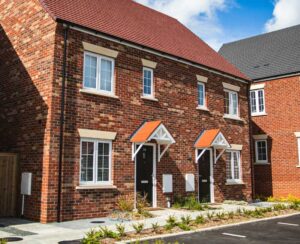
Traditional homes frequently use local sandstone and brick. Stonework typically benefits from lime mortar pointing, while red brick detailing is often seen in industrial-era buildings, requiring regular maintenance of mortar joints and protective coatings.
Survey findings specific to Neath
- Damp issues Older terraces, especially those without modern damp-proofing or with elevated ground levels, may show rising or penetrating damp.
- Subsidence risks The region’s industrial past and underlying geology warrant attention to potential ground stability and past mining records.
- Roofing concerns Slate roofs on period properties may have slipped slates or degraded flashings. Later brick-built homes often have concrete tiles which should be inspected for wear.
- Energy efficiency Many older properties have solid walls and single glazing, making insulation, ventilation and sympathetic upgrades important for improving thermal performance.
Local Amenities and Notable Places
Neath benefits from a vibrant market tradition centered around the 1837 indoor market. Civic architecture includes the neoclassical Neath Town Hall built in 1821. Access to green spaces such as Margam Country Park and Margam Castle, a Grade I listed Tudor Revival mansion, also greatly enhances local living.
Flood and Radon Risks
Flood risks
Neath’s proximity to rivers means some low-lying areas may be at risk of surface water flooding. Buyers should check Environment Agency maps for the specific property.
Radon levels
While regional data is limited, testing is still advised for homes with cellars or older basements.
Traffic Congestion and Issues
Traffic congestion
Congestion can occur near the town centre and around the indoor market at peak hours.
Public transport
Neath is served by a railway station on the Valley Lines network with connections to Swansea and Cardiff and multiple bus routes serving nearby towns and communities.
Conservation Areas
Parts of central Neath, particularly around Neath Castle and the town hall, fall within designated conservation areas. Property owners need planning consent for modifications affecting exterior appearance, roofing or windows.
Safety and Crime Statistics
Crime rates in Neath are fairly typical for similar Welsh towns, though busier retail areas may see higher incident levels. Buyers should review localised ward-level crime data for clarity.
Home Survey Considerations
Older and listed properties should undergo a Level 3 building survey to identify issues such as damp, masonry condition, roof integrity, drainage and any subsidence risk. Later brick or modern homes may only require a Level 2 survey if well maintained.
Local Building Materials and Their Implications
Sandstone and brick are mainstay building materials. Sandstone needs breathable lime pointing and moderate cleaning; brick walls should have maintained mortar and good rainwater disposal systems.
Comparison with Nearby Areas
Compared with towns such as Port Talbot, Neath offers stronger heritage appeal, wider amenity access and transport links. However, certain areas may have more industrial or flood-related considerations depending on their location within the town.
Neath Property Market Trends – 2026
Looking to buy in Neath? Here’s an up-to-date snapshot of local prices and market changes.
Average Prices – Neath 2026
| Property Type |
Average Price |
Most Common |
| Terraced |
£133,983 |
Yes |
| Semi-detached |
£162,336 |
No |
| Detached |
£266,000 |
No |
Source: Rightmove 2026
The average sold price in Neath over the last year was £187,440. Terraced properties accounted for the largest share of sales, followed by semi-detached and detached homes.
What’s Happening in the Area?
Recent market factors in Neath include:
- Transport Access: Convenient links to Swansea and the M4 for commuters.
- Affordability: Competitive pricing compared to many other parts of South Wales.
- Local Regeneration: Ongoing improvements to town centre amenities and infrastructure.
- Outdoor Access: Close to the Neath Valley and Brecon Beacons for leisure and tourism appeal.
For First-Time Buyers
Terraced homes offer the most affordable route into the Neath property market. Some may need refurbishment, making a pre-purchase survey important to understand any potential costs.
In Summary
House prices in Neath have risen by 1% in the past year and are now 5% higher than the 2022 peak of £168,705. A professional survey can help identify any issues before you make an offer.