Living In Birmingham
What It’s Like to Live in Birmingham
Birmingham is a large and diverse city with a broad range of housing stock and varied property conditions. For those considering a move, it’s important to understand how the local environment, architecture and infrastructure may affect property condition and the choice of survey.
Architectural Features of Properties
Birmingham’s property landscape includes Victorian and Edwardian terraces, 1930s semis, post-war housing and modern new-build developments. Areas such as Moseley and Harborne feature homes with original timber sash windows, decorative brickwork and bay frontages, while places like Selly Oak and Kings Norton contain post-war and ex-local authority housing.
Historical Buildings and Their Features: Birmingham’s Jewellery Quarter is a designated conservation area and contains late Georgian and early Victorian buildings with characteristic red brick, large windows and decorative cornices. Properties in this area may be subject to stricter planning controls and renovation guidelines.
Local Stone: While brick is the most common material, some historic homes and public buildings in Birmingham feature sandstone or terracotta detailing. These materials are porous and can be prone to staining or erosion if not maintained, particularly in areas exposed to high rainfall or pollution.
Survey Findings Specific to Birmingham:
- Damp Issues: Properties in Handsworth and parts of Sparkhill are known for damp problems, particularly in older housing where damp proof courses may have failed or are missing entirely.
- Subsidence Risks: Parts of Selly Oak and Bournville lie on clay soil, which is susceptible to shrink-swell movement. This can lead to subsidence, especially during periods of prolonged dry weather.
- Roofing Concerns: Many homes in Birmingham retain original slate roofs. These require regular inspections, especially if the nails or battens are nearing the end of their life.
- Energy Efficiency: Older terraced houses in areas such as Erdington and Small Heath often have single-glazed windows and limited insulation, meaning they may fall short of current energy standards without further upgrades.
Local Amenities and Notable Places
Local Amenities: King Edward VI Camp Hill School for Boys and Girls in Kings Heath is one of the top-rated grammar schools in the region, consistently achieving excellent academic results. For families, proximity to reputable schools can be a key factor when choosing a location.
Local Natural Feature: Cannon Hill Park, spanning 250 acres, offers walking trails, lakes, tennis courts and the Midlands Arts Centre. It’s a valued outdoor space for residents and enhances the appeal of surrounding areas like Edgbaston and Moseley.
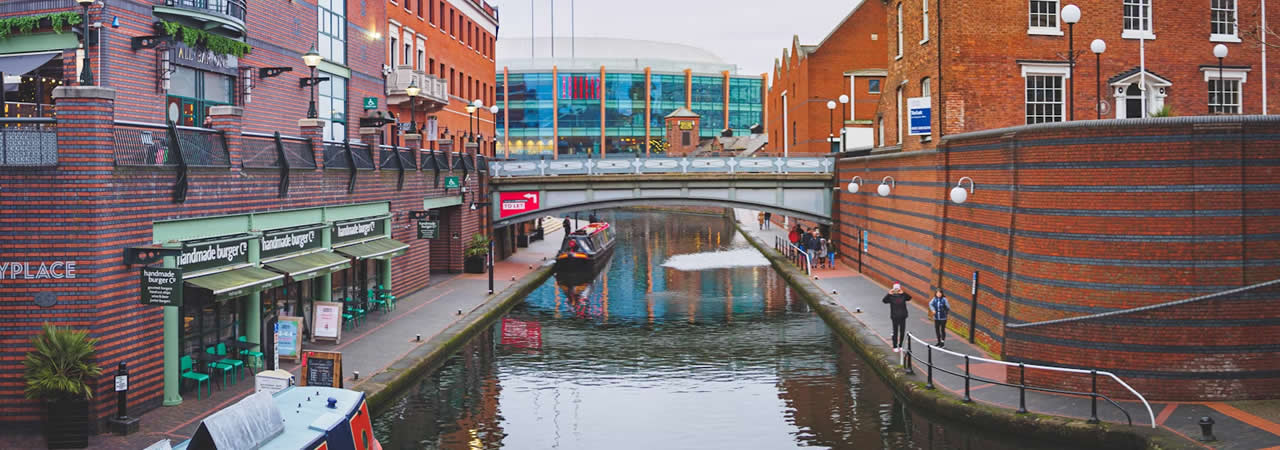
Notable Places: The Bullring is not only a major retail centre but also a focal point for the city. It attracts a high volume of foot traffic and contributes to the vibrancy of the city centre residential developments.
Flood and Radon Risks
Flood Risks: Areas near the River Rea, including parts of Digbeth and Bordesley, are at increased risk of surface water flooding during heavy rainfall. A flood risk report is advisable for properties in these locations.
Radon Risks: Radon levels across Birmingham are generally classed as low, although testing may still be recommended for properties with basements or those constructed in the early 20th century.
Traffic Congestion and Issues
Traffic Congestion: Congestion is common around Bristol Road (A38), the Aston Expressway and near the Queen Elizabeth Hospital, particularly during rush hour. Buyers should consider travel times if commuting is a priority.
Public Transport: Birmingham New Street is a major transport hub offering direct links to London, Manchester and other key cities. The expanding tram network and frequent bus services provide good coverage across the city.
Conservation Areas
Conservation Areas: The St Paul’s Square Conservation Area in the Jewellery Quarter protects buildings of architectural and historical value. Properties in these areas may be subject to restrictions on window replacements, roofing materials and extensions.
Future Projects: The Smithfield Birmingham development will regenerate over 17 hectares of city centre land. This large-scale project is set to deliver housing, leisure facilities and public spaces, although it may temporarily affect local infrastructure and traffic flows during construction.
Safety and Crime Statistics
As of 2024, Birmingham recorded a crime rate of 128 crimes per 1,000 people, higher than the West Midlands average. Burglary and vehicle crime are more prevalent in inner-city wards such as Ladywood and Lozells. In contrast, areas like Sutton Coldfield and Harborne report significantly lower crime levels. Buyers should consider local crime data when choosing a neighbourhood.
Home Survey Considerations
Survey Recommendations: A full Level 3 Building Survey is often recommended for older properties in areas such as Handsworth, Sparkbrook and Aston, especially where previous alterations or subsidence may be present. For newer homes, a Level 2 HomeBuyer Report may be sufficient, but still offers essential reassurance on condition.
Unique Survey Challenges: Properties in conservation areas or with listed status require surveyors familiar with traditional construction methods and regulations. Surveys in parts of the Jewellery Quarter or Edgbaston often involve considerations around lime mortar, timber frames or slate roofing.
Local Building Materials and Their Implications
Red brick is the most common material used in Birmingham homes, especially in Victorian and Edwardian properties. While durable, bricks can show signs of frost damage or mortar decay if not properly maintained. Some 1930s homes feature pebble-dash finishes, which can conceal defects such as cracked render or poor insulation.
Comparison with Nearby Areas
Compared to Solihull, Birmingham offers greater property variety and more affordable housing. While Solihull is often seen as a commuter town with good schools and green space, Birmingham provides a stronger mix of urban and suburban options, a larger employment base and better public transport links. For buyers looking for convenience and diversity, Birmingham remains a popular and practical choice.
Top Places to Live In Birmingham
Birmingham offers a wide range of neighbourhoods suited to different lifestyles, property preferences and budgets. Whether you’re looking for character homes, good schools or strong commuter links, here are some of the most sought-after areas for home buyers in the city:
- Harborne: A popular choice for families, Harborne is known for its tree-lined streets, traditional Victorian homes and a lively high street. It also benefits from good schools and quick access to the Queen Elizabeth Hospital and University of Birmingham.
- Moseley: Often favoured by professionals and creatives, Moseley features spacious Edwardian and Victorian houses and has a strong community feel. It’s well connected to the city centre and is home to independent shops, cafés and annual arts events.
- Edgbaston: This well-established suburb combines period properties with modern developments. It’s known for green spaces like the Birmingham Botanical Gardens and good transport links. Conservation areas mean some properties here require additional planning considerations.
- Sutton Coldfield: Located to the north-east of the city, Sutton Coldfield is ideal for those seeking a quieter, more suburban setting. It’s home to good schools, larger detached homes and Sutton Park, one of the largest urban parks in Europe.
- Kings Heath: A mix of traditional semis and terraced homes, Kings Heath has become increasingly popular with young families and first-time buyers. The high street offers a strong mix of amenities and the area has good public transport options.
- Jewellery Quarter: For those interested in city centre living, the Jewellery Quarter provides a mix of loft-style conversions and new-build apartments. It’s a designated conservation area, so buyers should be aware of restrictions on alterations to period properties.
- Bournville: Originally built as a model village by the Cadbury family, Bournville retains its unique layout and character housing. It offers a quieter lifestyle with easy access to green space and good schools.
Each area has its own character and local market conditions. When buying in Birmingham, it’s important to choose a survey appropriate to the property age and type, especially in older suburbs where maintenance and planning controls can influence long-term costs.