What It’s Like to Live in Gateshead
Gateshead, located on the southern bank of the River Tyne, offers a compelling mix of historical charm and modern development. For prospective homebuyers, understanding the local property landscape is crucial. This guide delves into Gateshead’s architectural features, amenities, environmental considerations and more, providing valuable insights for those considering a move to the area.
Architectural Features of Properties
Historical Buildings and Their Features:
Gateshead boasts a rich architectural heritage, with landmarks like the Saltwell Towers showcasing Victorian-era design. Constructed in the 19th century, this building reflects the town’s historical character and the influence of the Gothic Revival style. Preservation of such structures often involves adherence to local planning regulations, impacting property renovations and developments.
Local Stone:
Many of Gateshead’s older buildings utilise local sandstone, known for its durability and distinctive appearance. However, this material is porous and susceptible to staining, necessitating regular maintenance to prevent weathering and moisture ingress.
Survey Findings Specific to Gateshead:
- Damp Issues: Properties in areas like Bensham and Felling, especially older constructions, have reported issues with rising damp due to outdated building methods and proximity to water sources.
- Subsidence Risks: Regions built on former mining sites, such as parts of Ryton, may experience ground movement, leading to structural concerns.
- Roofing Concerns: Traditional terraced houses often feature slate roofs, which, while aesthetically pleasing, require regular inspections to address potential slate slippage or degradation.
- Energy Efficiency: Older homes with single-glazed windows and minimal insulation may not meet modern energy standards, leading to higher heating costs. Retrofitting such properties can improve efficiency but may be constrained by conservation regulations.
Local Amenities and Notable Places
Local Amenities:
- Education: Gateshead is home to reputable institutions like Gateshead College, offering a range of further education programs.
- Healthcare: The Queen Elizabeth Hospital provides comprehensive medical services, ensuring residents have access to quality healthcare.
- Recreation: Saltwell Park offers expansive green spaces, walking trails and hosts various community events, making it a popular spot for families and outdoor enthusiasts.
Notable Places:
- Angel of the North: This iconic sculpture stands as a symbol of the region and offers panoramic views of the surrounding countryside.
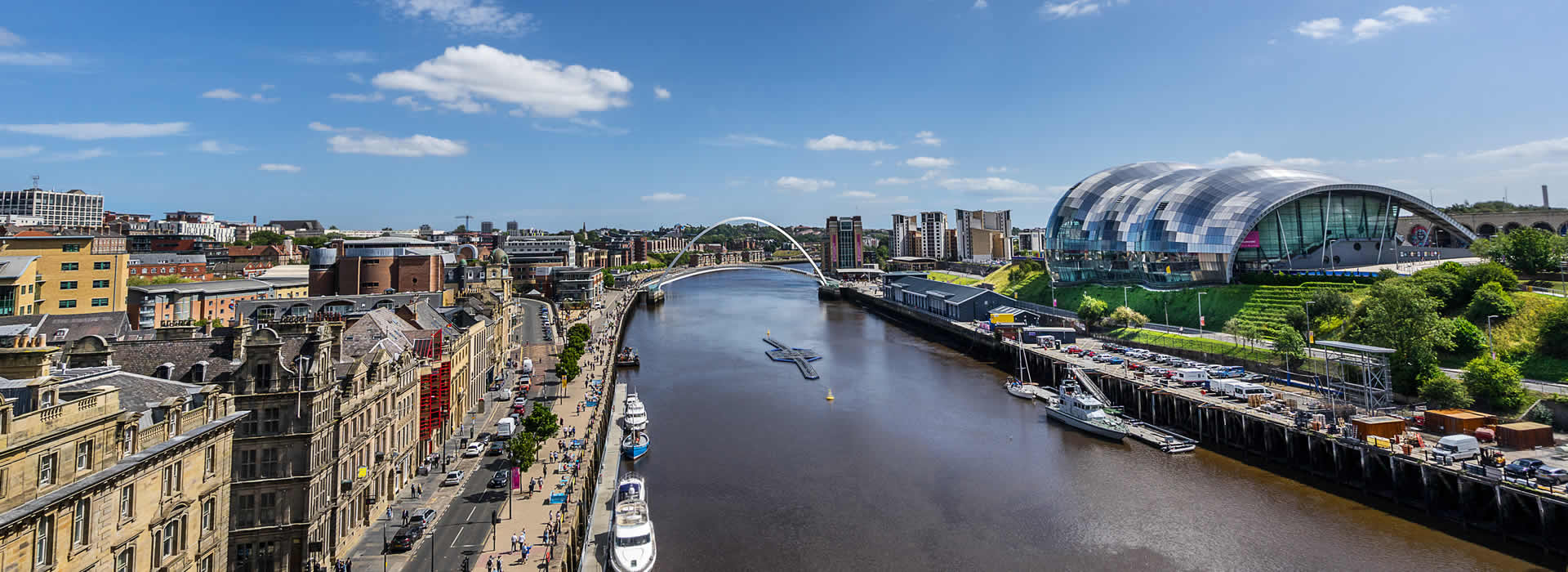
- Baltic Centre for Contemporary Art: A major international centre for contemporary art housed in a converted flour mill on the south bank of the River Tyne.
Flood and Radon Risks
Flood Risks:
Certain low-lying areas near the River Tyne, such as parts of Dunston and Teams, are susceptible to flooding during heavy rainfall or storm surges. Prospective homeowners should consult the Environment Agency’s flood maps and consider flood insurance where applicable.
Radon Risks:
Gateshead is generally classified as a low-risk area for radon gas. However, it’s advisable for buyers, especially of older properties, to conduct radon tests to ensure safety.
Traffic Congestion and Issues
Traffic Congestion:
Main thoroughfares like the A1 and A184 experience peak-time congestion, particularly during morning and evening commutes. Ongoing infrastructure projects aim to alleviate these issues, but temporary disruptions may occur.
Public Transport:
Gateshead benefits from a robust public transport network, including the Tyne and Wear Metro system, which connects the town to Newcastle and other neighbouring areas. Additionally, numerous bus routes facilitate intra-city travel.
Conservation Areas
Gateshead has designated several conservation areas to preserve its historical and architectural heritage. Notable among these are:
- Low Fell: Known for its Victorian villas and tree-lined avenues, this area reflects the town’s affluent past.
- Saltwell: Features a mix of late Victorian and Edwardian housing, with specific planning controls to maintain the area’s character.
Properties within these zones are subject to specific planning controls to maintain the area’s character, affecting renovations and new developments.
Safety and Crime Statistics
As of March 2025, Gateshead’s overall crime rate stands at 129 crimes per 1,000 people, with violent crimes constituting 31.9% of reported incidents. Areas like Central Gateshead have higher crime rates, while neighbourhoods such as Low Fell and Whickham are among the safest, according to recent data.
Home Survey Considerations
Survey Recommendations:
Given the diversity of property types in Gateshead, from historic homes to modern apartments, commissioning a comprehensive RICS-accredited survey is essential. Such surveys can identify structural issues, dampness and other potential concerns, providing buyers with informed insights before purchase.
Unique Survey Challenges:
Historic properties may present unique challenges, including outdated electrical systems, non-standard construction materials and the presence of hazardous substances like asbestos. Specialised surveys can address these aspects, ensuring buyers are aware of any additional maintenance or renovation requirements.
Local Building Materials and Their Implications
Gateshead’s traditional buildings often feature materials like red brick and local sandstone. While these materials contribute to the town’s distinctive aesthetic, they require regular upkeep. For instance, sandstone is prone to erosion and may necessitate periodic repointing or sealing to prevent moisture ingress.
Comparison with Nearby Areas
Compared to neighbouring towns like Newcastle, Gateshead offers more affordable housing options without compromising on amenities. Its proximity to Newcastle provides easy access to a broader range of cultural and employment opportunities, while maintaining a quieter residential environment that may be preferable for families and those seeking a more relaxed lifestyle.
Top Places to Live in Gateshead
Gateshead offers a variety of neighbourhoods suited to different lifestyles, from quiet, leafy suburbs to vibrant communities close to the town centre. Here are some of the most desirable places to live in Gateshead for homebuyers:
- Low Fell: Known for its period properties, independent shops and cafés, Low Fell is a well-established suburb with a strong sense of community. Its Victorian and Edwardian homes are particularly popular with families and professionals seeking character properties. The area benefits from good schools and convenient access to the A1.
- Whickham: A popular residential area offering excellent schools, a traditional high street and several parks. Whickham is ideal for families and those seeking a quieter pace of life. Properties here range from spacious detached homes to modern semi-detached housing, with many enjoying views over the Tyne Valley.
- Saltwell: Situated near Saltwell Park, this area offers a mix of late Victorian terraces and modern developments. The park itself is one of the best in the region, making the neighbourhood attractive to young families. Saltwell has a more urban feel but with access to green space and local amenities.
- Ryton: A semi-rural location west of Gateshead, Ryton appeals to those looking for more space and a village atmosphere. The area features traditional stone cottages, 1930s semi-detached homes and newer housing estates. It’s well connected by road and offers good access to Newcastle and the MetroCentre.
- Dunston Hill: Offers a range of modern and older properties close to the MetroCentre. With good schools nearby and easy access to transport links, it’s a practical choice for commuters and families alike.