What’s It Like to Live in Lewes?
Lewes is an historic market town in East Sussex known for its period homes, hillside views and strong sense of community. If you are thinking of moving here, it helps to understand the types of property on offer, potential maintenance needs and survey issues that are specific to the area.
Architectural Features of Properties
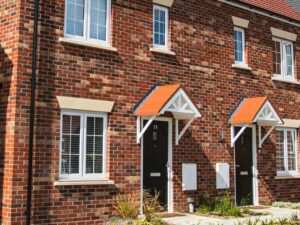
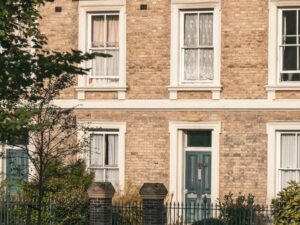
Lewes features a wide range of properties including Tudor timber-framed buildings, Georgian terraces and Victorian villas. More modern homes can be found in areas such as Landport and Nevill.
Historical Buildings and Their Features:
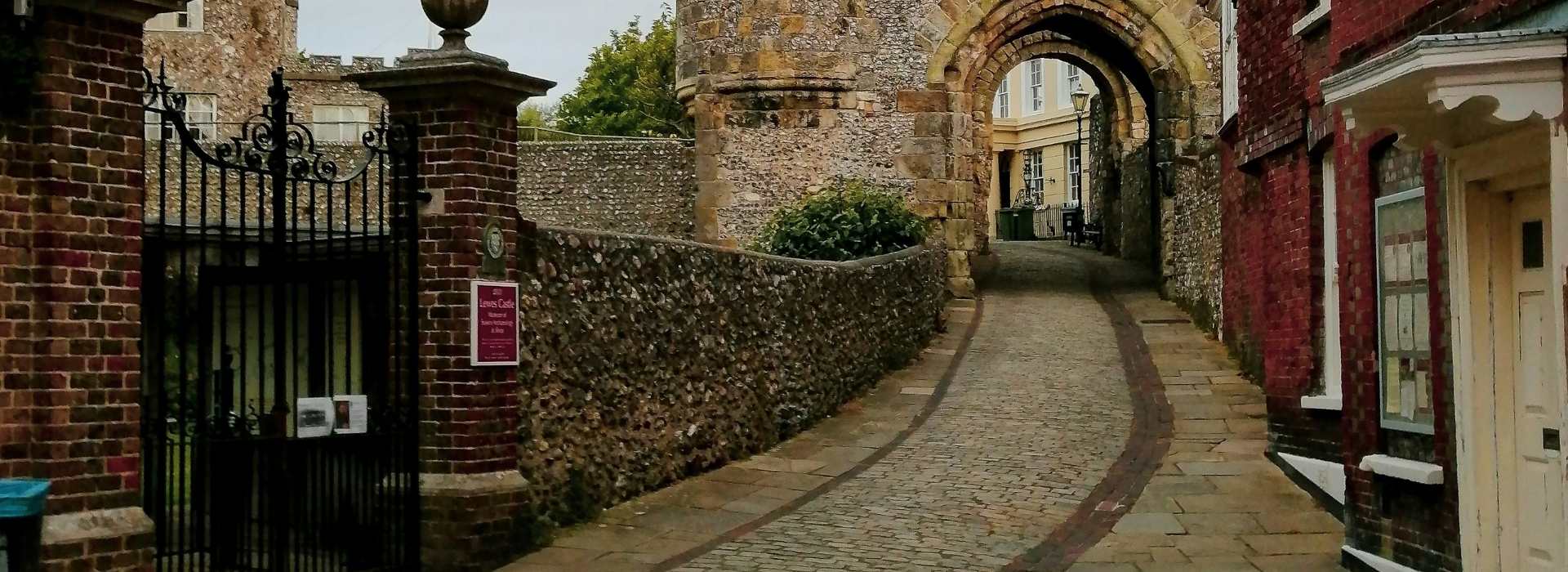
- Lewes Castle: This Norman fortress reflects the town’s deep history. Homes near the castle or within the core of the town centre often fall under conservation regulations that restrict external alterations.
Local Building Materials:
- Flint and Brick: Traditional Lewes properties often use local flint with red brick dressings. Flint is hard-wearing but brittle, and repairs require skilled masonry. Brickwork in older homes may suffer from frost damage or mortar degradation over time.
Survey Findings Specific to Lewes:
- Damp Issues: Properties at the foot of the South Downs or close to the River Ouse may be more prone to penetrating damp or high water tables. Older cottages without damp proof courses are especially vulnerable.
- Subsidence Risks: Some parts of Lewes, especially near the riverbanks, have a history of movement linked to clay soil and previous flooding. A full structural survey is advisable for older properties in Cliffe or South Street.
- Roofing Concerns: Clay tile roofs are common and can deteriorate in frost or heavy rain. Many period homes have steep-pitched roofs with limited insulation, requiring regular inspection.
- Energy Efficiency: Many of Lewes’s older homes have solid walls, single glazing and no loft insulation. While these features add character, they also lead to poor thermal performance unless upgraded sympathetically.
Local Amenities and Notable Places
Local Amenities:
- Priory School: A respected secondary school with a good local reputation.
- South Downs National Park: Offers extensive walking and cycling opportunities right on the edge of town, adding value for buyers who enjoy access to open countryside.
Notable Places:
- Lewes High Street: Lined with independent shops and historic pubs, the High Street is both a commercial centre and a hub of community life.
- Anne of Cleves House: A well-preserved Tudor building showcasing Lewes’s heritage, close to other characterful homes in Southover.
Flood and Radon Risks
Flood Risks: The River Ouse runs through Lewes and has a known flood history, particularly in the Cliffe and Malling Street areas. Properties here may be subject to Environment Agency flood advice and insurance restrictions.
Radon Risks: Radon levels in Lewes are generally considered low, but a radon test is still worth considering in basement properties or those built into the hillside.
Traffic Congestion and Issues
Traffic Congestion: Congestion can occur on the A26 and A27 during peak hours. Cliffe High Street and Station Street can also become busy, especially during school drop-off times or local events such as Bonfire Night.
Public Transport: Lewes railway station provides direct services to London Victoria, Brighton and Eastbourne. Regular buses also link the town to surrounding villages and towns including Uckfield and Newhaven.
Conservation Areas
Conservation Areas: Much of central Lewes is designated as a conservation area. Southover, Cliffe and the area around Grange Road are included. Restrictions may apply to window replacements, roof alterations and external finishes.
Future Projects: The North Street Quarter redevelopment will bring new housing and riverside public space. While this may add amenities, it could also affect traffic and parking in adjacent streets during the build phase.
Safety and Crime Statistics
Lewes is one of the safer towns in East Sussex, with a crime rate well below the national average. Most reported incidents relate to anti-social behaviour and minor theft, concentrated around the town centre. Residential areas such as Nevill and South Malling report fewer problems.
Home Survey Considerations
Survey Recommendations: A RICS Level 3 Building Survey is recommended for older or listed properties, particularly those built in local stone or with timber framing. Surveyors will assess roof condition, damp risk, insulation levels and any signs of historic movement.
Unique Survey Challenges: Lewes’s historic buildings often have shallow foundations, timber lintels and irregular wall construction. Specialist conservation knowledge is useful when inspecting these types of homes.
Local Building Materials and Their Implications
Properties in Lewes commonly feature flint, brick, clay tile and timber. Flint can be difficult to repoint and requires lime mortar. Clay tiles are traditional but may crack under frost. Exposed timbers may be susceptible to woodworm or wet rot if not properly ventilated.
Comparison with Nearby Areas
Compared to nearby towns such as Uckfield or Newhaven, Lewes offers more period homes and a higher proportion of listed buildings. It also has stronger public transport links and a more active cultural scene. However, property prices are generally higher, and the planning environment is more restrictive due to conservation priorities.
Lewes Property Market Trends – 2026
Looking to buy in Lewes? Here’s an accurate overview of the latest prices and key updates from the area.
Average Prices – Lewes 2026
| Property Type |
Average Price |
Most Common |
| Terraced |
£280,000 |
Yes |
| Semi-detached |
£350,000 |
No |
| Detached |
£480,000 |
No |
Source: Rightmove, 2026
The average sold price in Lewes over the past year is £370,000. Terraced properties made up the majority of sales, followed by semi-detached homes and flats. Compared with the previous year, average prices rose by 2%. However, values are still 2% below the 2022 peak of £564,736.
What’s Happening in the Area?
Recent planning and infrastructure changes in and around Lewes include:
- North Street Quarter development: A mix of new homes, workspace and health facilities beside the River Ouse, with phased completions ongoing.
- South Downs National Park protections: Continued restrictions on large-scale development, preserving green space and limiting urban sprawl.
- Rail and bus improvements: Regular services from Lewes to Brighton, London Victoria and Eastbourne, with ongoing investment in cycle and pedestrian routes.
- Education investment: Upgrades to local schools and colleges, including new sixth-form facilities and improved primary school buildings.
For First-Time Buyers
Flats in the Landport area and near the town centre tend to offer the most accessible prices for first-time buyers. While Help to Buy is no longer available, some developers and housing associations in the area offer shared ownership or local buyer priority schemes.
In Summary
Lewes remains a desirable option for those seeking a mix of heritage, good rail links and scenic surroundings. Whether buying a Georgian townhouse or a newer-build flat, a professional home survey helps uncover any concerns early, particularly in older or listed properties.