What’s it like living in Eastbourne?
Introduction
Eastbourne, a seaside town on the south coast of England, offers a blend of historical architecture, scenic beauty and modern amenities. For potential home buyers, understanding the local property characteristics, amenities and environmental factors is crucial. This guide provides insights into what it’s like to live in Eastbourne, focusing on aspects relevant to property surveys and local conditions.
Architectural Features of Properties
Eastbourne boasts a diverse range of architectural styles, reflecting its rich history and development over the years.
Historical Buildings and Their Features: The town is home to over 130 listed buildings, including the iconic Eastbourne Town Hall, a Victorian structure built in 1886. Such buildings often feature ornate facades, sash windows and high ceilings. Preservation of these structures can influence local planning regulations, potentially affecting renovation plans.
Local Stone: Many older properties in Eastbourne use local materials like flint and sandstone. These materials, while visually distinctive, can be porous and susceptible to weathering, necessitating regular maintenance to prevent issues like dampness.
Survey Findings Specific to Eastbourne:
- Damp Issues: Properties near the seafront or in older parts of town, such as Meads, may be prone to damp due to exposure to sea air and traditional construction methods.
- Subsidence Risks: Areas with clay-rich soils, such as parts of Hampden Park, have historically been monitored for subsidence.
- Roofing Concerns: Victorian and Edwardian homes often have slate roofs, which may require regular inspections for loose or damaged tiles.
- Energy Efficiency: Older properties with single-glazed windows and solid walls may have lower energy efficiency, leading to higher heating costs.
Local Amenities and Notable Places
Schools: The town has several well-regarded schools, including Eastbourne College and Ratton School, known for their academic standards.
Healthcare: Eastbourne District General Hospital provides comprehensive medical services to the community.
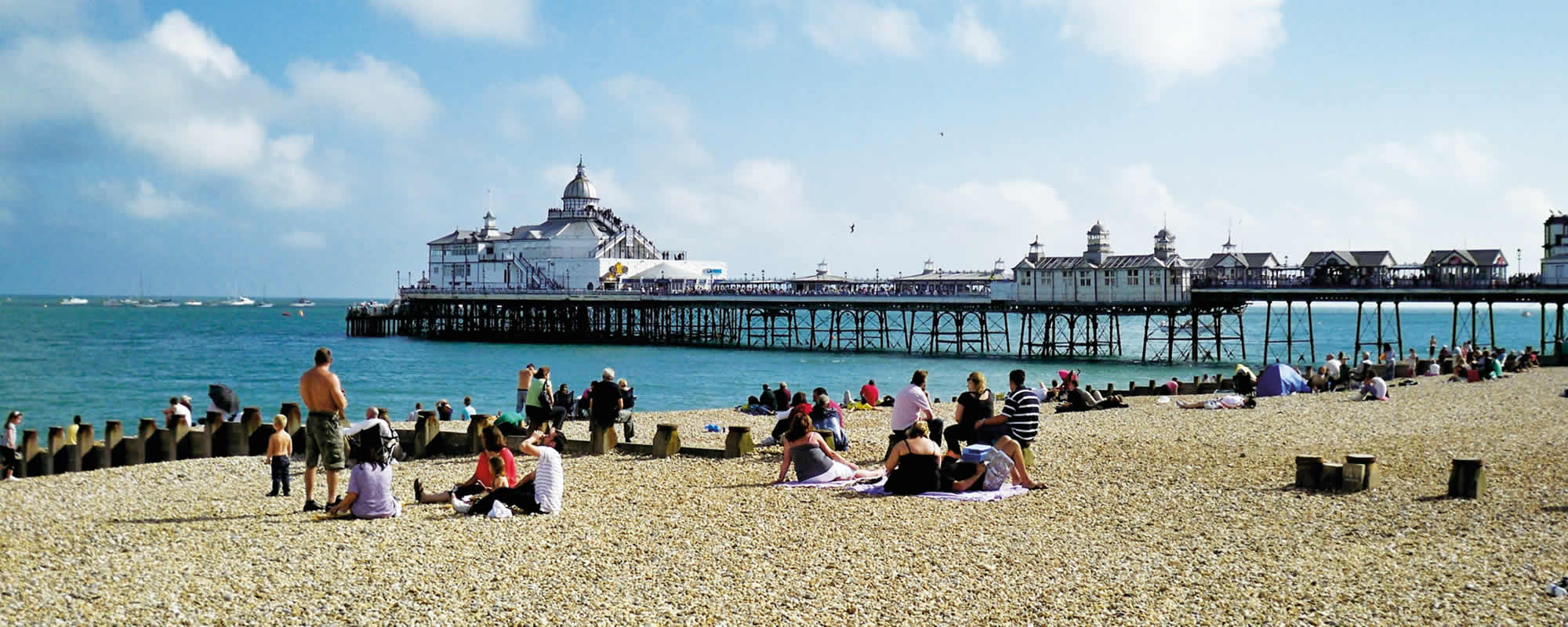
Eastbourne Pier: A historic Victorian pier offering leisure activities and scenic views.
South Downs National Park: Located nearby, it offers opportunities for hiking, cycling and enjoying nature.
Flood and Radon Risks
Flood Risks: Certain areas, such as parts of Sovereign Harbour and Langney, are designated flood zones due to their proximity to the coast and low-lying topography.
Radon Risks: Eastbourne generally has low radon levels. However, it’s advisable to conduct a radon test, especially for properties with basements or those located in areas with higher natural background radiation.
Traffic Congestion and Issues
Traffic Congestion: During peak hours, congestion can occur on main roads like the A259 and A2270, particularly near the town centre and seafront areas.
Public Transport: Eastbourne is served by a mainline railway station offering services to London, Brighton and Hastings. Local bus services provide connectivity within the town and surrounding areas.
Conservation Areas
Eastbourne has several designated conservation areas aimed at preserving its historical and architectural heritage.
Meads, Old Town and the Town Centre: Properties within these areas are subject to planning regulations that may restrict certain alterations to maintain the area’s character.
Future Projects: The Eastbourne Town Centre Local Plan outlines developments aimed at revitalising the town centre, which may impact local infrastructure and property values.
Safety and Crime Statistics
As of 2023, Eastbourne reported a crime rate of 112 crimes per 1,000 people, which is higher than the East Sussex average. The most common offences include anti-social behaviour and theft. Areas like the town centre have higher reported incidents compared to suburban neighbourhoods.
Home Survey Considerations
Survey Recommendations: For older or historic properties, a comprehensive building survey is recommended to assess structural integrity, damp issues and necessary repairs.
Unique Survey Challenges: Historic properties may present challenges such as outdated wiring, structural movement or the need for listed building consent for works.
Local Building Materials and Their Implications
Flint, sandstone and brick are common in Eastbourne. Flint walls require careful repointing, while older bricks may be softer and prone to frost damage, requiring protective treatments.
Comparison with Nearby Areas
Compared to nearby towns like Hastings or Bexhill, Eastbourne offers a quieter atmosphere, better transport links and a broader range of architectural styles. It also benefits from its proximity to the South Downs and a relatively stable housing market.
Top Places to Live in Eastbourne
Meads
Situated at the western end of Eastbourne, Meads is known for its Victorian and Edwardian architecture, tree-lined streets and proximity to the South Downs National Park. The area offers a village-like atmosphere with local shops, pubs and schools, making it popular among families and retirees.
Old Town
As Eastbourne’s original settlement, Old Town boasts a rich history with a mix of Georgian and Victorian homes. The area features independent shops, traditional pubs and reputable schools, appealing to those seeking a community feel.
Sovereign Harbour
Located to the east of the town centre, Sovereign Harbour is a modern marina development offering waterfront living. The area includes a variety of housing options, from apartments to townhouses, alongside restaurants, shops and leisure facilities.
Upperton
Just north of the town centre, Upperton features tree-lined avenues and a mix of period properties. Its central location provides easy access to shopping, transport links and schools, making it a convenient choice for professionals and families.
Ratton
Ratton is a residential area known for its spacious homes and proximity to Ratton School. The neighbourhood offers a suburban feel with easy access to local amenities and parks, attracting families seeking a quieter lifestyle.
Hampden Park
This suburb to the north-east of Eastbourne offers a mix of housing, from bungalows to modern estates. Hampden Park features a large public park with a lake, sports facilities and a railway station, providing both recreational and commuting benefits.
Langney
Situated on the eastern side of Eastbourne, Langney has seen significant development over the years. The area offers a variety of housing options, shopping centres and schools, catering to a diverse population.
Willingdon
Located to the north of Eastbourne, Willingdon offers a semi-rural setting with a mix of modern and period homes. The village is known for its community spirit, local pubs and access to the South Downs, appealing to those seeking a balance between town and country living.
Little Chelsea
Adjacent to the town centre, Little Chelsea is a vibrant area known for its independent boutiques, cafes and arts scene. The neighbourhood’s charm and central location make it popular among young professionals and creatives.
Roselands
Roselands is a residential area offering a range of housing options, including family homes and flats. With local schools, parks and shopping facilities, it provides a practical choice for families and first-time buyers.