What’s it like living in Epsom?
Epsom, located on the edge of the North Downs in Surrey, offers a mix of green space, period architecture and commuter convenience. For those considering a move to the area, understanding the town’s housing stock and property conditions can be a useful first step.
Architectural Features of Properties
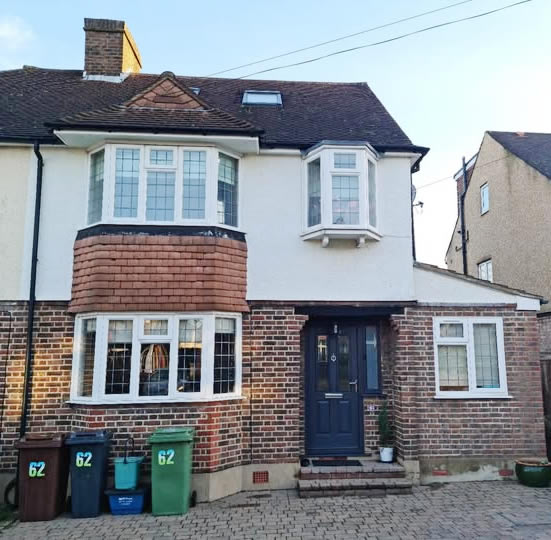
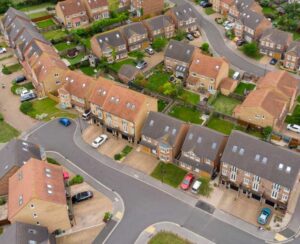
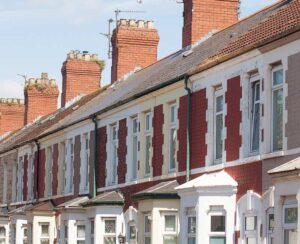
Epsom features a range of homes, from early 20th-century semis and Victorian terraces to flats in converted manor houses and post-war developments. Larger detached properties can be found in areas like Woodcote and College Road, while compact cottages and maisonettes are more common around the town centre.
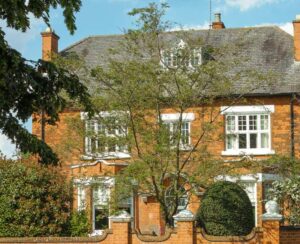
Historical Buildings and Their Features: Epsom College, established in 1853, is a notable example of Victorian Gothic Revival architecture. While not residential, it sets a tone for the area’s architectural style. Older residential buildings often feature red brickwork, decorative bargeboards and traditional sash windows. Homeowners in conservation areas may be restricted in how they renovate or extend, particularly on the front elevation.
Local Stone: While Epsom does not have a dominant local stone, many older homes feature soft red London stock brick or Surrey clay brick, which can be porous and prone to frost damage or discolouration if poorly maintained.
Survey Findings Specific to Epsom:
- Damp issues are often found in homes close to the Hogsmill River or in lower areas like East Street, particularly in older terraces.
- Subsidence risks are more common in parts of Ewell and College Ward, where clay-rich soil can shift during dry spells.
- Roofing concerns often involve slipped tiles or general wear on original clay or slate roofs.
- Energy efficiency is often limited in period properties that retain single glazing or minimal insulation.
Local Amenities and Notable Places
Local Amenities: Glyn School and Rosebery School are both well-regarded, with strong reputations for academic performance. Epsom Common and Horton Country Park provide access to outdoor space, walking routes and nature trails.
Notable Places: The Epsom Clock Tower and The Ashley Centre serve as central landmarks, while Epsom Downs Racecourse remains one of the town’s best-known attractions.
Flood and Radon Risks
Properties near the Hogsmill River and lower parts of East Street may be vulnerable to surface water flooding during heavy rainfall.
Radon levels in Epsom are typically low, although testing is advised for older or partially sunken properties.
Traffic Congestion and Issues
Congestion can build during peak times along Ashley Avenue and Church Street. School traffic can also affect Dorking Road and Longmead Road.
Epsom Station offers direct train services to London Waterloo, Victoria and London Bridge. Bus connections link the town with nearby areas such as Sutton and Kingston.
Conservation Areas
Epsom has a number of designated conservation areas, including Church Street, Woodcote Road and College Road. These zones aim to protect architectural character and homeowners may need planning approval for external changes such as extensions, new windows or roofing alterations.
Future development includes the proposed Horton Farm project, which could deliver over 1,000 new homes and influence local traffic and services once underway.
Safety and Crime Statistics
Epsom reports relatively low crime levels compared to other towns in Surrey. The highest number of incidents tend to occur in the town centre and shopping areas, mostly linked to anti-social behaviour and vehicle-related offences.
Home Survey Considerations
A RICS Level 2 HomeBuyer Report is suitable for most post-war homes in Epsom. For older or heavily modified properties, a Level 3 Building Survey is recommended, particularly where there are signs of damp, previous alterations or ageing roof structures.
Historic or listed properties may require conservation-grade materials and extra planning oversight. These factors should be considered when budgeting for maintenance or renovation.
Local Building Materials and Their Implications
Traditional materials such as clay tiles, lime mortar and red brick are common in Epsom. These are well suited to older buildings but can deteriorate if incompatible materials are used during repairs. Breathable finishes and specialist products are often needed to preserve their condition.
Comparison with Nearby Areas
Compared with Sutton or Leatherhead, Epsom offers a balance of green space, good schools and access to London. Sutton tends to have more dense urban housing, while Leatherhead offers a more rural setting. Epsom appeals to buyers seeking a mix of town convenience and outdoor space.
Top places to live in Epsom?
Epsom offers a wide choice of residential areas, each with its own character and appeal. Whether you’re looking for proximity to the station, access to green space or a quieter residential setting, there are several areas worth considering when buying a home in the town.
- College Road and Woodcote Area: Known for its large detached homes and leafy surroundings, this part of Epsom is popular with families and professionals looking for more space and a quiet setting. Properties here are often within walking distance of Epsom College and Horton Country Park.
- Ewell Village: An historic area with a mix of period cottages, listed buildings and 20th-century houses. It has a village feel, independent shops and good local schools. The nearby Ewell East and Ewell West stations offer rail connections into London.
- Langley Vale: Situated on the southern edge of town, this residential area borders open countryside and offers a more rural atmosphere. It’s ideal for buyers looking for peace and proximity to the Downs, while still being within reach of central Epsom.
- Stoneleigh: Located to the north of Epsom, Stoneleigh is popular with first-time buyers and families. The area is well-served by Stoneleigh Station and includes a range of 1930s semis and family homes, many of which have been extended or improved.
- Livingstone Park: A newer development built on the former hospital site at Horton. It includes a mix of modern houses and flats, with footpaths connecting to green space and good access to schools and supermarkets.
Each area has its own housing styles and survey considerations, from older properties with original features to modern builds with minimal maintenance needs. Our local surveyor can advise on what to expect depending on the area and type of property you’re buying.