What’s it like living in Didcot?
Didcot, located in South Oxfordshire, is a town that has undergone significant growth in recent years. Known for its strong transport links, expanding residential areas and proximity to the countryside, it offers a mix of older homes and modern developments. For those considering a move, Didcot presents a range of options and key considerations, particularly when it comes to property surveys and local conditions.
Architectural Features of Properties
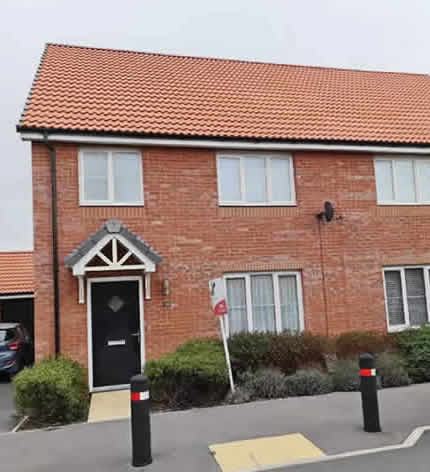
Homes in Didcot range from Victorian terraces and early 20th-century houses to newer estates built within the past 30 years. The town’s expansion has introduced a wide selection of semi-detached, detached and terraced homes, often found within developments like Great Western Park and Ladygrove.
Historical Buildings and Their Features: The Didcot Railway Centre is one of the town’s most historically significant sites. While not residential, it reflects the town’s development around the Great Western Railway and its historic growth. Nearby older properties may be subject to planning controls due to their proximity to listed buildings or conservation zones.
Local Stone: Some of the older buildings in the area include red brick with stone detailing. Brick properties require ongoing upkeep such as repointing and can be vulnerable to frost damage on exposed elevations if not maintained properly.
Survey Findings Specific to Didcot:
- Damp Issues: Older terraced homes near Lydalls Road and Haydon Road have sometimes shown signs of rising damp due to solid wall construction and lack of modern damp-proofing.
- Subsidence Risks: Areas around Brasenose Road and other parts of Ladygrove have seen minor subsidence cases historically, largely due to the underlying clay soil and tree proximity.
- Roofing Concerns: Older properties with original clay tiles may show signs of slipped tiles and weathering, particularly those built before 1950.
- Energy Efficiency: Many period homes in Didcot lack cavity wall insulation and modern glazing, which can lead to lower energy performance ratings. Buyers should check EPC ratings before purchase.
Local Amenities and Notable Places
Didcot offers a good range of schools, leisure facilities, shops and green spaces. Didcot Girls’ School and Aureus School are well-known locally, while the Orchard Centre provides retail and dining options in the town centre. Nearby, Boundary Park and Edmonds Park offer open green space and sports pitches.
The Didcot Railway Centre remains a key heritage attraction and hosts public events throughout the year. It’s a landmark that reflects the town’s railway history and is a popular site for families and railway enthusiasts.
Flood and Radon Risks
Parts of Didcot are built on flat, low-lying land, but flood risk is generally considered low. However, it is advisable to check flood history when purchasing property near drainage ditches or at the town’s periphery.
Radon levels in Didcot are typically low. As with most parts of South Oxfordshire, a radon search is usually included as standard in local conveyancing checks, especially when purchasing older properties.
Traffic Congestion and Issues
Traffic can build up during rush hour near Wantage Road, the A4130 and the Milton Interchange. Construction activity from ongoing developments has also added to congestion at times, particularly around Great Western Park.
Didcot Parkway station is a major asset, offering fast train services to Oxford, Reading, London Paddington and Bristol. Regular bus services also link the town to surrounding villages and employment hubs like Milton Park and Harwell Campus.
Conservation Areas
Didcot itself has limited conservation coverage, but nearby villages such as Sutton Courtenay and Long Wittenham have protected zones with stricter planning requirements. Future development around Valley Park and the expansion of transport infrastructure may bring additional planning considerations over time.
Safety and Crime Statistics
Didcot is generally seen as a safe town, though there have been periodic increases in incidents such as bike thefts and anti-social behaviour near the town centre. Areas around the train station and the Orchard Centre have seen occasional reports of nuisance activity, particularly during school holidays and weekends.
Home Survey Considerations
Buyers in Didcot should consider instructing a RICS Homebuyer Survey for most standard properties. For older or non-standard homes, a Level 3 Building Survey may be more appropriate. Common issues found locally include damp in solid-walled properties, slipped roof tiles and uneven flooring in older extensions.
New-build properties in recent developments can benefit from snagging inspections to check for unfinished work, poor installation, or drainage issues.
Local Building Materials and Their Implications
Red brick is the most common building material used in Didcot’s older properties. While durable, it can suffer from frost damage and may need repointing. Newer homes are typically constructed with modern cavity walls, render and UPVC windows, which may require inspection for sealing and insulation standards.
Comparison with Nearby Areas
Compared to nearby towns such as Abingdon or Wallingford, Didcot offers better transport links due to Didcot Parkway station and its position on major rail and road routes. While Abingdon is often viewed as more historic and characterful, Didcot appeals to those prioritising modern housing, accessibility and development potential.
Top Places to Live in Didcot
Didcot offers a mix of established neighbourhoods and newly built developments, providing a variety of options for buyers looking for convenience, space, or community feel. Below are some of the most sought-after areas in and around the town:
- Ladygrove: A well-established residential area north of the station, popular with families and commuters. Properties here include 1990s-built homes, modern townhouses and flats, all within walking distance of Didcot Parkway.
- Great Western Park: A large-scale development offering modern homes, schools, shops and green spaces. It is popular with young families and first-time buyers due to its access to amenities and modern property layouts.
- Fleet Meadow: Located near the town centre, Fleet Meadow is a quiet, residential area with a strong community feel. Properties range from 1960s semis to more recent builds.
- The Broadway and Lydalls Road: Close to the town centre and train station, these areas offer character homes and traditional terraces with good access to shops and services.
- West Didcot: Includes access to green space and quieter residential roads. This area is less densely developed than central zones and can be appealing to buyers seeking space and quieter surroundings.
- Nearby Villages: Villages such as Harwell, Blewbury and Upton are within easy reach of Didcot and offer a more rural lifestyle with access to countryside walks, period properties and strong local communities.
Each area has its own character and advantages, whether you prioritise walking distance to the station, school catchment areas, or a newer home with modern energy standards. A local property survey can help assess the condition of homes in any of these locations and identify issues specific to the area.