What’s It Like to Live in Boston?
Boston, Lincolnshire is a market town with deep historical roots, notable architecture and a close connection to the agricultural landscape of the surrounding Fens. For home buyers considering a move here, the town offers a mix of period and modern properties, with specific considerations when it comes to surveys and property maintenance. From flood risks to conservation zones, understanding local conditions can help guide decisions about purchasing a home in Boston.
Boston Living – Property and Lifestyle Overview
Architectural Features of Properties
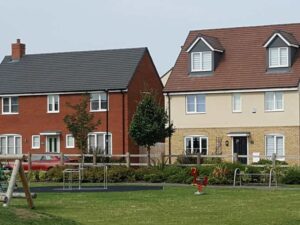
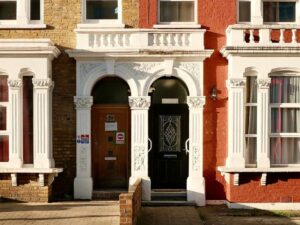
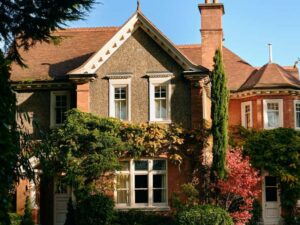
Boston’s housing stock includes Georgian terraces, Victorian townhouses and post-war developments. Many older homes near the town centre retain original features such as sash windows, red brickwork and timber frames.
Historical Buildings and Their Features: St Botolph’s Church, known locally as The Stump, dominates the skyline and reflects Boston’s medieval heritage. Its gothic style and grade I listing exemplify the historical character that influences surrounding properties. Homes near such sites may be subject to stricter planning controls when it comes to alterations or repairs.
Local Stone: While much of Boston’s traditional housing was built with local red brick, there are examples of Ancaster stone in older or grander buildings. This limestone is porous and can be susceptible to staining and frost damage, meaning regular inspections are advised to prevent moisture ingress.
Survey Findings Specific to Boston:
- Damp Issues: Properties close to the River Witham and within the older parts of town, particularly around High Street and Wormgate, are more likely to suffer from rising damp, often due to outdated damp proofing methods.
- Subsidence Risks: Some areas of Boston, especially those near reclaimed Fenland, have soil types that may contribute to movement. Regular monitoring is advisable for homes in these zones.
- Roofing Concerns: Slate roofs are common in Boston’s period properties. These often require careful maintenance, particularly on buildings constructed before the 1950s.
- Energy Efficiency: Older homes in Boston with original single glazing and minimal insulation tend to fall short of current energy efficiency expectations. Retrofitting may be needed to improve thermal performance.
Local Amenities and Notable Places
Local Amenities: Boston Grammar School has a long-standing reputation and is known for academic achievement. Pilgrim Hospital serves the town and surrounding area, offering access to a full range of NHS services.
Central Park provides green space and recreational facilities for families, while the nearby Boston Woods Trust offers walking routes and natural trails.
Notable Places: Boston Market Place remains a central hub, hosting weekly markets and seasonal events. The Guildhall Museum and Maud Foster Windmill provide local heritage experiences and are focal points of community identity.
Flood and Radon Risks
Flood Risks: Due to its position in the Fens and proximity to the River Witham, parts of Boston are at risk of flooding. Areas around London Road and Windsor Bank are particularly vulnerable during periods of heavy rain or tidal surges. Buyers should consult the Environment Agency flood maps and consider flood resistance measures for properties in these zones.
Radon Risks: Radon levels in Boston are generally low. However, as with all older properties, a radon check is recommended as part of a building survey, especially in homes with basements or cellars.
Traffic Congestion and Issues
Traffic Congestion: Traffic is heaviest during peak times on John Adams Way and around Bargate Bridge. These areas experience congestion during school runs and commuter hours.
Public Transport: Boston railway station connects the town with Grantham and Sleaford, offering links to Nottingham and London via transfer. Local bus services operate throughout the week, although service frequency can be lower in the evenings and on Sundays.
Conservation Areas
Conservation Areas: Boston Central Conservation Area includes Wormgate, Witham Place and parts of High Street. Properties within this zone are subject to stricter controls on development, particularly with respect to external alterations, materials and window replacements. These restrictions aim to protect the historical setting and built environment of the town.
Future Projects: The Boston Town Deal initiative is funding several regeneration projects, including public realm improvements and upgrades to pedestrian infrastructure in the town centre. These changes may influence future property values and access.
Safety and Crime Statistics
Boston has experienced fluctuations in crime rates. According to recent police data, the town sees higher levels of reported antisocial behaviour and shoplifting in central areas such as West Street and Market Place. Residential areas further from the centre, including Fenside and Wyberton, tend to have lower reported crime.
Potential buyers are advised to review recent neighbourhood crime data and consider proximity to local police patrol routes when viewing properties.
Home Survey Considerations
Survey Recommendations: A RICS Level 2 Homebuyer Survey is often suitable for most post-war and 20th-century properties in Boston. For older buildings, especially those with timber framing or conservation status, a Level 3 Building Survey is recommended due to the likelihood of hidden defects and maintenance requirements.
Unique Survey Challenges: Boston’s historic properties may have non-standard construction, hidden timber decay and limited documentation regarding past repairs. Surveyors will need to check for signs of past flooding, outdated electrics and roof structure issues in homes over 100 years old.
Local Building Materials and Their Implications
Building Materials: Boston’s period homes frequently use red brick and clay tiles, while some feature Ancaster stone. Red brick requires repointing with lime mortar to remain breathable and avoid trapped moisture. Older clay roof tiles can crack or slip over time and should be inspected regularly to prevent leaks.
Comparison with Nearby Areas
Compared to nearby towns like Spalding and Sleaford, Boston offers a broader mix of period and modern housing. While Spalding has a more compact centre and Sleaford benefits from more frequent rail services, Boston stands out for its historical setting and range of property prices, which can provide more value per square metre. The town’s strong identity and larger infrastructure base make it a central hub for surrounding rural areas.
Boston Property Market Trends – 2026
Looking to buy in Boston? Here’s an accurate overview of the latest prices and key updates from the area.
Average Prices – Boston March 2026
| Property Type |
Average Price |
Most Common |
| Terraced |
£150,000 |
No |
| Semi-detached |
£180,000 |
No |
| Detached |
£280,000 |
Yes |
Source: Rightmove, 2026
The average sold price in Boston over the last year was £203,333. Detached properties were the most common type sold.
What’s Happening in the Area?
Local authorities continue to prioritise transport and residential upgrades across the borough:
- Boston Barrier Project: Ongoing flood defence works aiming to protect thousands of homes and businesses from tidal surges.
- Local Plan Housing Delivery: New build developments underway around Fenside Road, Sibsey Road and Toot Lane.
- Town Centre Improvements: Investment in public realm upgrades, shopfront enhancements and traffic calming near Market Place.
- Healthcare and Education: Upgrades to Pilgrim Hospital and expansion of several local schools to support population growth.
For First-Time Buyers
Semi-detached and terraced homes in areas like Fishtoft, Frampton and Skirbeck offer some of the most affordable options for first-time buyers. While Help to Buy is no longer available, some developers still offer shared ownership and low-deposit alternatives. Buyers should always check local availability and any qualifying conditions.
In Summary
Boston continues to offer relatively good value within Lincolnshire, especially for those looking for a mix of town and rural surroundings. Given the number of older properties in the area, including those in flood-risk zones, it’s sensible to book a home survey before making a commitment.