What’s It Like to Live in Burnley?
Burnley is an industrial market town in Lancashire, known for its rich textile heritage, Victorian terraces and strong manufacturing links. Benefiting from connectivity via the M65 and multiple railway stations, it offers a mix of historic core areas and modern housing estates. That said, understanding local geology, legacy mining impacts, flood potential and crime levels is crucial when deciding on the right property survey.
Burnley Living – Property and Lifestyle Overview
Architectural Features of Properties
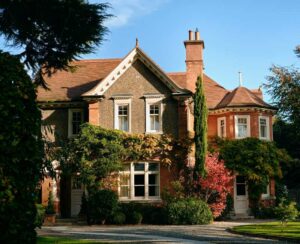
Historical Buildings and Their Features: Burnley contains several listed landmarks such as Towneley Hall (Grade I), St Peter’s Church and Burnley Mechanics (both Grade II*) which shape planning restrictions nearby. Historic terraces and mill-owner homes contrast with later 20th-century estates and new housing developments.
Local Stone: Traditional buildings often feature local millstone grit or sandstone detailing, while most residential properties use brick with slate or clay-tile roofs. Roof material quality varies, particularly on newer estates with concrete interlocking tiles.
Survey Findings Specific to Burnley
Damp Issues: Parts of Burnley lie in a valley drained by the Rivers Calder and Brun, raising potential for surface water flooding and damp, especially on lower ground in older terraces.
Subsidence Risks: Burnley is located on the Burnley Coalfield, and although no recent subsidence notices are recorded for some areas, historic shallow mine workings and numerous former shafts suggest subsidence risk persists in parts of the town.
Roofing Concerns: Older slate roofs may suffer tile slip and nail fatigue, while post-war estate roofs with concrete tiles may be near the end of their service life. These aspects should be carefully evaluated in a survey.
Energy Efficiency: Older solid-wall homes with single glazing tend to underperform on energy efficiency. Consideration should be given to upgrades such as insulation, glazing and modern heating systems.
Local Amenities and Notable Places
Local Amenities: Burnley boasts green spaces like Towneley Park, Queens Park and Thompson Park, extensive retail including Charter Walk and Weavers’ Triangle redevelopment, and educational options through Burnley College and local schools.
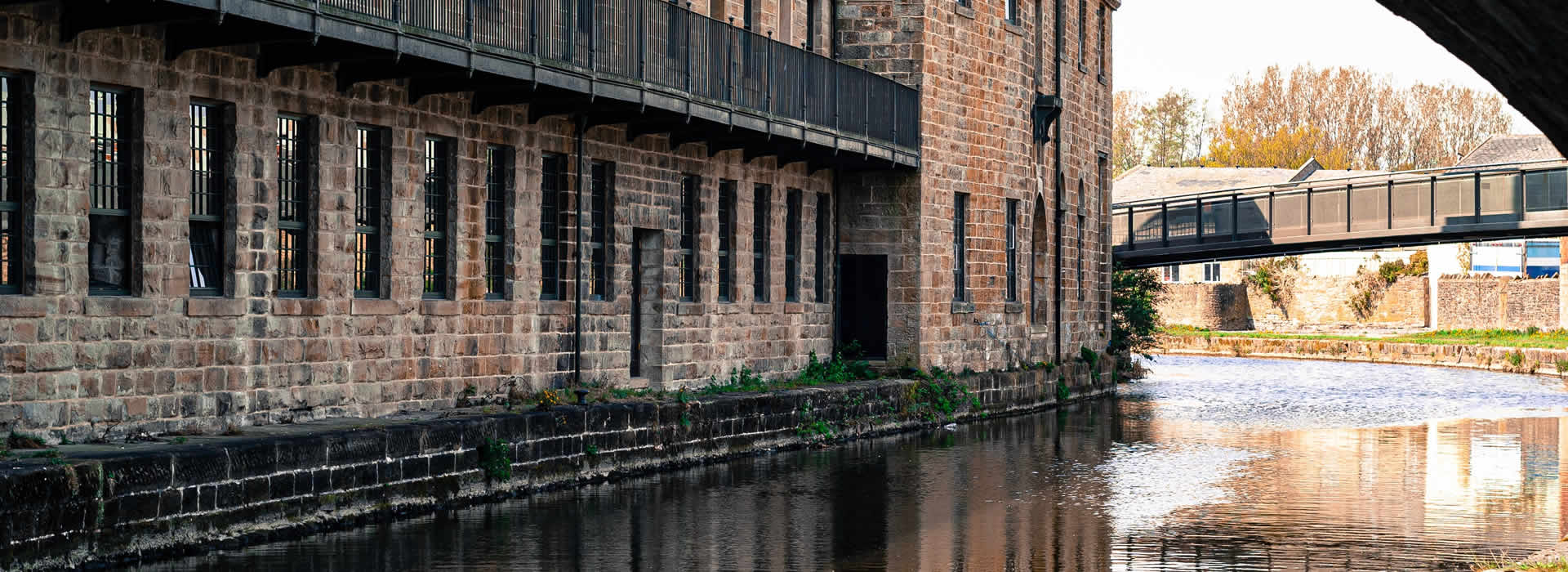
Notable Places: Landmarks such as Towneley Hall, the Weavers’ Triangle heritage area and the Leeds & Liverpool Canal embankment add architectural character and cultural interest.
Flood and Radon Risks
Flood Risks: Burnley’s position in a river valley suggests a risk of surface water flooding. A site-specific flood risk assessment is recommended for properties near waterways or on lower-lying land.
Radon Risks: No specific radon data found; a test is still sensible for older buildings or those with cellars.
Traffic Congestion and Issues
Traffic Congestion: Burnley experiences congestion on the M65 and surrounding junctions during commuting hours and market days within the town centre.
Public Transport: It has excellent connectivity via four railway stations—Manchester Road, Central, Barracks and Rose Grove, plus frequent bus services and easy road access via multiple key A-roads and M65.
Conservation Areas
Areas around prominent heritage sites like Towneley Hall and the town centre fall within conservation zones with tightened planning controls to maintain character.
Safety and Crime Statistics
Crime Rates: Burnley had one of the highest crime rates in Lancashire in 2024, ranking second highest in the county. While crime has decreased by over 6 percent since 2021, burglary, vehicle crime, violent offences and robbery remain above average levels.
Home Survey Considerations
Survey Recommendations: A Level 3 Building Survey is advised for older or heritage properties or those near former mining sites or flood risk areas. For standard modern builds in good condition, a Level 2 Homebuyer Survey may suffice.
Unique Survey Challenges: Surveyors should check for signs of subsidence or mine shafts, evaluate roof integrity across tile types, and assess drainage and damp risks given the valley geography.
Local Building Materials and Their Implications
Common materials include brick, millstone grit or sandstone detailing, and slate or clay-tile roofs. Maintenance involves specialised repointing, roof upkeep and awareness of historic construction methods.
Comparison with Nearby Areas
Compared with nearby towns, Burnley is more affordable and has strong industrial character and transport links—but buyers must weigh this against elevated crime and flood or subsidence vulnerabilities.
Burnley Property Market Trends – 2026
Looking to buy in Burnley? Here’s an accurate overview of the latest prices and key updates from the area.
Average Prices – Burnley 2026
| Property Type |
Average Price |
Most Common |
| Terraced |
£160,000 |
Yes |
| Semi-detached |
£200,000 |
No |
| Detached |
£320,000 |
No |
Source: Rightmove, 2026
The average sold price in Burnley over the last year was around £226,667. Terraced properties made up the majority of transactions, with semi-detached and detached homes also forming a notable share of the market.
What’s Happening in the Area?
Key developments and trends shaping Burnley’s housing market include:
- Town Centre Investment: Regeneration schemes improving retail areas, public spaces and leisure facilities.
- New Housing: Ongoing residential developments in areas such as Brunshaw and Rosehill offering modern homes for families and first-time buyers.
- Transport Links: Strong road access via the M65 and A682 alongside direct rail services to Manchester, Preston and Leeds.
- Local Amenities: Continued upgrades to schools, parks and healthcare services to support community growth.
For First-Time Buyers
Burnley offers some of the most affordable housing in the region, with terraced properties providing a cost-effective route onto the property ladder. Some developments may also offer shared ownership or other purchase schemes subject to eligibility.
In Summary
House prices in Burnley have risen by 4% over the last year but remain 1% below the 2022 peak of £150,777. A professional home survey is recommended to check for any hidden issues before completing a purchase.