What It’s Like to Live in Dartford: A Comprehensive Guide for Prospective Home Buyers
Geography and Housing
Dartford is located in north-west Kent, just inside the M25 and close to the River Thames. The town borders Greater London and sits between the urban edge of south-east London and open Kent countryside. This gives it a geographical balance that appeals to many different types of homebuyer.
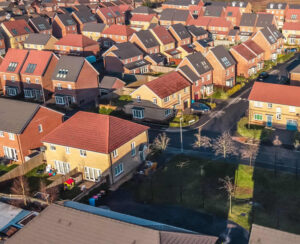
The housing landscape varies from high-density town-centre apartments to established suburban streets and new residential estates. Central Dartford includes flats, terraces and older houses, many of which are within walking distance of Dartford station. Outlying areas such as Wilmington, Joydens Wood and West Hill offer semi-detached and detached homes in quieter surroundings.
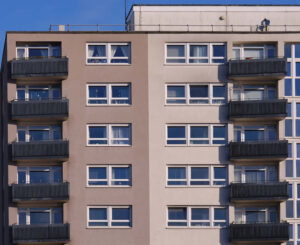
New developments in areas like Stone, Temple Hill and the Ebbsfleet Garden City zone are expanding the market with modern energy-efficient homes. Buyers here will find a range of properties including starter homes, family houses and shared ownership options. Apartments are more common in the town centre and parts of Greenhithe, while houses dominate areas such as Wilmington and Darenth.
Geography plays a role in shaping buyer preferences. Proximity to the A2, M25 and railway stations often influences demand. River views and green space, especially in developments close to Central Park or Darenth Country Park, are often highlighted by buyers seeking a balance between accessibility and outdoor space.
Unique Attributes of Dartford
Dartford’s long history dates back to Roman times and includes industrial, military and cultural landmarks. The town played a role in England’s early railways and still has strong transport connections today. Heritage buildings such as Holy Trinity Church and the old Corn Exchange are reminders of Dartford’s past as a market and crossing point.
Locals often speak positively about the sense of continuity and how Dartford has changed without losing its identity. Community groups, events at Central Park and the refurbished Orchard Theatre are part of this. Historic locations like Dartford Library, opened in 1916, and the medieval town centre layout create a sense of place many buyers find reassuring.
Nearby green spaces also contribute to Dartford’s appeal. Central Park, with its gardens and play areas, and Darenth Country Park offer well-used walking and recreational areas. Further afield, Beacon Wood Country Park and the Thames path provide additional outdoor options.
The town’s location – on the border of London but with its own identity – often appeals to buyers moving out from south-east London or looking for an affordable alternative with strong commuting options.
Neighbourhoods and Amenities
Dartford includes a number of different neighbourhoods, each with their own amenities and appeal. The town centre has seen regeneration with developments like Copperhouse Green bringing new homes, shops and access to Central Park. There’s a mix of independent stores, high street names and markets held in the pedestrianised zone around the High Street and Market Street.
Temple Hill and Fleet Estate offer mid-century housing and a range of schools and supermarkets, while areas like Joydens Wood and Wilmington are known for their family houses and tree-lined roads. Greenhithe and Stone are popular with commuters due to proximity to Bluewater shopping centre and Ebbsfleet International.
Public feedback points to Dartford’s improving facilities – residents mention the new town centre housing, the improved pedestrian access to parks, and ongoing investment in public spaces. Crime figures from 2023 indicate Dartford sits slightly above the Kent average for reported incidents, with most concentrated around transport hubs and the central shopping area. Wilmington, Joydens Wood and Darenth report lower levels of crime and are frequently recommended by residents looking for a quieter setting.
The town benefits from multiple gyms, swimming pools, cafes and restaurants. Dartford Football Club and sports facilities in Princes Park add to local amenities. For retail, Bluewater is a short drive or bus ride and offers major shops, a cinema and dining options.
Architectural Traits and Building Materials
Dartford’s architecture reflects its long history and evolving role. In the centre, terraced homes and converted buildings reflect Victorian and Edwardian designs, often with London stock brick or stone façades. Many of these older homes include bay windows, original chimneys and sash-style windows.
Mid-20th-century housing estates such as Temple Hill and Fleet Estate were typically built using cavity wall construction, red brick and tile roofs. These houses tend to be solidly built and offer larger internal spaces than newer homes, though may benefit from energy efficiency upgrades.
Post-2000 developments in Stone and Greenhithe often feature timber-framed or block construction with brick or rendered finishes. Many include modern features like UPVC windows, integrated garages and compact gardens. Developers such as Bellway, Taylor Wimpey and Persimmon are behind recent housing at Copperhouse Green and Knights Reach, using contemporary materials and layouts suited to energy performance targets.
Buyers interested in older homes should factor in potential upgrades to meet current insulation or heating standards. In newer areas, warranties and more efficient designs may reduce ongoing costs but can come with a premium in price.
Flooding Risk and Radon Levels
Parts of Dartford, particularly near the River Darent and along low-lying areas of the town, are identified by the Environment Agency as having a medium to high risk of surface water flooding. Areas such as Temple Hill, Central Park and parts of the Stone Marshes have been included in past flood risk assessments. However, flood defences and planning policies have reduced the likelihood of major issues.
Buyers should consult a property-specific flood report or check flood risk maps, especially when looking at riverside developments or older properties near the Darent. Many new builds are required to include sustainable drainage systems and surface water management as part of the planning process.
Radon risk in Dartford is low. Public Health England classifies the majority of the borough as being in the lowest category for radon exposure, meaning there’s generally no need for radon mitigation in most homes. However, buyers of homes with basements or properties built on older brownfield land may still wish to check as a precaution.
Environmental considerations should be part of any homebuying decision, and professional surveyors can offer tailored advice based on location and property type.
Transportation and Connectivity
Dartford’s location makes it one of Kent’s most accessible towns. The A2 and M25 intersect nearby, allowing quick access to London, Essex and the rest of Kent. Dartford Crossing links the town with Thurrock, while the A206 runs east-west connecting to Crayford and Ebbsfleet.
There are frequent rail services from Dartford station to London Bridge, Charing Cross and Victoria. Trains typically take 40–50 minutes depending on route. Stone Crossing and Greenhithe stations serve commuters in those areas, and Ebbsfleet International provides high-speed services to London and the continent.
Bus services connect Dartford with Bexley, Gravesend, Bluewater and local estates. Fastrack buses provide a rapid service through Ebbsfleet and Temple Hill. Cyclists benefit from local paths, including routes through Central Park and out to Swanscombe and Darenth.
Travel options are a strong draw for those moving out from London. The town’s road and rail links are often a key reason homebuyers choose Dartford over other parts of Kent.
Education and Family Life
Dartford is well served by schools, with a mix of grammar, academy and primary options. Popular primary schools include West Hill Primary, Wentworth Primary in Dartford East and Wilmington Primary. Secondary schools include Dartford Grammar School and Dartford Grammar School for Girls, both highly regarded and selective. Other options include Leigh Academy and Wilmington Academy.
There are multiple nurseries and early years settings across the borough, as well as special educational needs provision. Further education is provided by North Kent College, based in nearby Oakfield Lane, offering vocational and academic pathways.
For families, Dartford’s appeal lies in its mix of educational choice and outdoor space. Central Park, Darenth Country Park and play areas at Knights Manor and Temple Hill offer room for children to enjoy the outdoors. Leisure centres, swimming pools and community halls provide a range of activities year-round.
Local parents often comment on the convenience of schools within walking distance and the improvement of public spaces and play areas in recent years. Areas like Wilmington, Stone and Joydens Wood remain in demand for their combination of good schools and quieter residential streets.
Comparison with Nearby Areas
Compared to neighbouring Bexley or Gravesend, Dartford offers a broader housing mix and stronger road connections. It’s often more affordable than Bexley borough while offering easier access to central London than towns further east.
Ebbsfleet, just to the east, is a purpose-built garden city with high-speed rail and new-build estates. It appeals to those seeking contemporary housing and infrastructure, though lacks the historic character of Dartford. Greenhithe, by contrast, is focused around Bluewater and appeals to commuters wanting shopping and transport convenience.
Popular areas in Dartford include:
- Wilmington – Known for good schools and larger family homes.
- Joydens Wood – Peaceful and green, ideal for those wanting more space.
- Stone – Near to new developments and Bluewater, popular with professionals.
- Greenhithe – Well located for retail and rail, with a mix of flats and modern houses.
- Darenth – Offers a semi-rural feel with good road links.
Dartford continues to attract homebuyers looking for a balance of space, convenience and connectivity – particularly those moving from London or seeking investment in an area still growing.
House Hunting in Dartford: Top 10 Best Places to Live in Dartford
- Wilmington – A popular choice for families thanks to excellent grammar schools, larger detached homes and a quieter, village-like feel.
- Joydens Wood – Known for its peaceful setting, mature trees and well-kept houses. Close to Bexley and within reach of good primary schools.
- Stone – Close to Bluewater and Ebbsfleet International, Stone has seen major investment in new housing and infrastructure, making it ideal for professionals.
- Greenhithe – Offers modern riverside developments and easy access to trains, shops and walking routes along the Thames.
- West Hill – A convenient area near Dartford town centre and the station, with a mix of older properties and newer flats. Good for commuters.
- Darenth – Semi-rural with country views but still well connected. Appeals to those looking for more space and a quieter pace.
- Temple Hill – Affordable housing and easy access to the town centre and M25. Regeneration in recent years has improved public facilities and roads.
- Fleet Estate – A tidy, family-focused area with good local schools, parks and access to Princes Park leisure centre.
- Ebbsfleet Valley (near Dartford) – Technically just outside Dartford, but often considered by local buyers. Offers modern housing, high-speed rail and purpose-built amenities.
- Dartford Heath area – Close to open green space, this area provides quick access to road networks and is well suited to walkers, dog owners and outdoor enthusiasts.