What’s it like living in Winchester?
Winchester is an historic city with a wide range of properties, good transport links and strong local amenities. It is a popular choice for homebuyers looking for a mix of period and more modern homes. This guide provides an overview of what buyers need to know, particularly when arranging a property survey.
Architectural Features of Properties
Winchester’s housing stock is diverse, with many period buildings alongside newer developments. Winchester Castle is a notable historic site that reflects the medieval character seen in some local properties. Ownership of listed or historic buildings can affect renovation work, as planning permissions may be stricter.
Many older homes in Winchester are built with Chilmark Stone. This local limestone is durable but porous, meaning it can be prone to staining and weathering. Regular maintenance is important to protect the stonework over time.
Surveyors in Winchester frequently highlight damp issues, particularly in properties close to the River Itchen, such as around Water Lane and Wharf Hill. These areas are more vulnerable due to proximity to water and older construction methods. Subsidence is occasionally noted in locations like St Cross, where clay soil can cause movement in dry periods. Clay-tiled roofs are common in older properties and often require regular maintenance to address slipped or damaged tiles. Period homes may also have lower energy efficiency, especially where there are original sash windows and solid walls.
Local Amenities and Notable Places
Winchester offers a range of local facilities suitable for families, professionals and retirees. Peter Symonds College is a highly regarded educational option in the area. Outdoor space is easily accessible, with the South Downs National Park providing walking and cycling routes close to the city.
Winchester Cathedral and the surrounding historic High Street are focal points for local events and day-to-day life, adding to the city’s practical appeal rather than simply its heritage interest.
Flood and Radon Risks
Flood risk assessments are important for properties near the River Itchen. Streets such as Wharf Hill and Lower Brook Street have historically been more prone to seasonal flooding. Radon levels in Winchester are generally low, although surveys still recommend testing for older properties, particularly those with basements.
Traffic Congestion and Issues
Traffic congestion can occur on routes such as Chesil Street, Romsey Road and Stockbridge Road, especially during peak travel times. Winchester railway station provides direct links to London, Southampton and Bournemouth and local bus services support travel within the city and to nearby towns.
Conservation Areas
Several parts of Winchester are designated as conservation areas, including St Giles Hill, Oram’s Arbour and Hyde. Properties in these areas are subject to restrictions on alterations and extensions to protect the city’s historic character. Buyers should factor this into their plans if considering refurbishment or development.
The Central Winchester Regeneration Project is also underway, aiming to deliver new housing, retail spaces and public areas in the city centre.
Safety and Crime Statistics
Winchester is one of Hampshire’s safest cities. Although minor crimes such as bicycle theft occasionally occur, particularly near the station and city centre, overall crime levels are low compared to national averages.
Home Survey Considerations
A comprehensive survey is recommended for most property purchases in Winchester. Common issues include damp, roof defects and outdated electrical installations. Historic properties in particular may require specialist conservation advice due to the age and method of original construction.
Local Building Materials and Their Implications
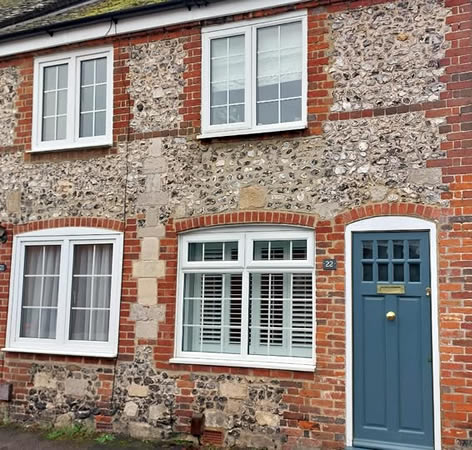
Properties constructed from Chilmark Stone and flint are common in Winchester. These materials are attractive but require regular repointing and professional maintenance to prevent long-term deterioration.
Comparison with Nearby Areas
Compared to neighbouring towns such as Eastleigh or Basingstoke, Winchester offers a greater number of period properties and easier access to countryside spaces. However, property prices are typically higher and planning controls more restrictive, particularly within conservation areas.
Top places to live in Winchester?
Winchester offers a variety of neighbourhoods that suit different lifestyles, from historic central areas to quieter suburbs. This guide highlights some of the most popular locations for homebuyers in and around the city.
St Cross
St Cross is known for its attractive period homes, open green spaces and proximity to the South Downs. Properties here are often larger and many retain original features, making it a popular choice for families and buyers seeking historic character.
Fulflood
Located close to Winchester railway station, Fulflood is ideal for commuters. The area offers Victorian and Edwardian homes with good access to local schools, parks and the city centre.
Hyde
Hyde is a conservation area with a mix of historic cottages and modern properties. It is close to the city centre and popular with buyers who want character housing within walking distance of local amenities.
Weeke
Weeke provides a range of housing, from post-war family homes to newer developments. It has good local schools, shopping facilities and access to the M3, making it a practical choice for families.
Abbotts Barton
Abbotts Barton is a quieter residential area north of the city centre. It offers a selection of family homes with good access to riverside walks, parks and local shops.
Kings Worthy
Located just outside Winchester, Kings Worthy has a village atmosphere with a mix of older cottages and modern houses. It offers good primary schools and easy road links to the A34 and M3.
Littleton
Littleton is a small village north-west of Winchester, offering rural surroundings and a strong sense of community. It is popular with buyers looking for larger homes and countryside access while remaining close to city facilities.
Harestock
Harestock is a suburban area with mainly post-war properties. It is well placed for local schools and amenities and offers a quieter alternative to central Winchester for families and retirees.
Shawford
Shawford is a village south of Winchester known for larger detached homes and scenic countryside. It has its own railway station with direct connections to Southampton and London, appealing to commuters seeking a rural setting.
Twyford
Twyford offers a mix of historic properties and newer developments. It has a strong local community, excellent schools and good transport links, making it a sought-after location for families and professionals.