What It’s Like to Live in Southampton
Introduction
Southampton is a major port city on the south coast of England, known for its maritime heritage, green spaces and thriving university scene. With a mix of modern and historical properties, Southampton appeals to a broad range of home buyers—from students and professionals to families and retirees. This guide highlights key aspects of the property landscape, with a focus on survey considerations and local housing conditions.
Architectural Features of Properties
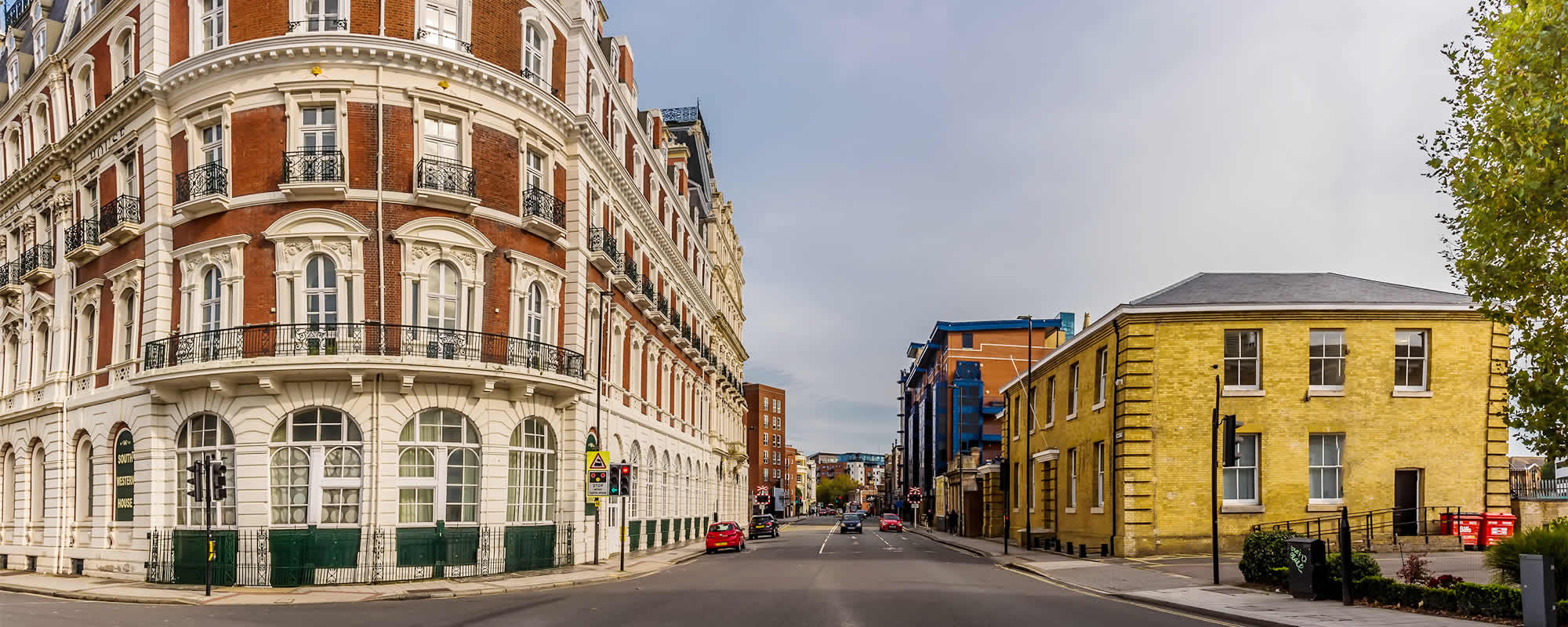
Southampton’s housing stock includes Victorian terraces, post-war semi-detached homes, 1930s suburban builds and new-build apartments along the waterfront.
Historical Buildings and Their Features: The Bargate, a Grade I listed medieval gatehouse in the city centre, reflects Southampton’s rich history. Properties near the Old Town and Polygon area may be subject to planning constraints to protect architectural character and may require listed building consent for alterations.
Local Stone: Traditional buildings in older parts of the city may use Portland stone or locally sourced brick. These materials are durable but require maintenance to manage porosity and staining from pollution and sea air.
Survey Findings Specific to Southampton:
- Damp Issues: Properties near the River Itchen or in lower-lying parts of Woolston may experience damp, particularly in older homes without modern damp-proofing.
- Subsidence Risks: Areas with clay-based soils, such as Bassett and parts of Shirley, may present some subsidence risk, especially following dry summers.
- Roofing Concerns: Some homes with flat roofs, particularly in post-war estates, require regular inspection due to water pooling and membrane wear.
- Energy Efficiency: Older Victorian and Edwardian homes in Portswood and Freemantle may have solid walls and original windows, which can impact energy performance if not upgraded.
Local Amenities and Notable Places
Local Amenities: King Edward VI School and Southampton General Hospital are two of the city’s most respected institutions. The city is also home to two universities and a range of primary and secondary schools rated Good or Outstanding by Ofsted.
Local Natural Feature: The Common is a 365-acre green space in the heart of the city offering walking routes, lakes and sports facilities.
Notable Places: Westquay Shopping Centre and Ocean Village Marina are popular for shopping, dining and leisure, while cultural venues like the Mayflower Theatre and SeaCity Museum offer arts and history in the city centre.
Flood and Radon Risks
Flood Risks: Properties close to the River Itchen and River Test, particularly in Northam, St Denys and parts of Bitterne, may be at greater risk of surface water or tidal flooding. Buyers should request a flood risk assessment as part of their enquiries.
Radon Risks: Southampton is classed as a low-risk radon area. However, testing may still be advisable in properties with basements or in older terraced housing.
Traffic Congestion and Issues
Traffic Congestion: Congestion is common on main arterial roads including The Avenue (A33), Millbrook Road West and around Redbridge Roundabout during peak travel times.
Public Transport: Southampton Central Station provides direct services to London Waterloo, Bournemouth and Portsmouth. Local buses connect neighbourhoods throughout the city and to nearby areas like Eastleigh and Winchester.
Conservation Areas
Southampton has several conservation areas, including:
- Old Town: Preserves medieval street patterns and historic buildings. Planning controls apply to maintain character.
- Portswood and St Denys: Conservation areas with Victorian and Edwardian housing that reflect the city’s 19th-century expansion.
Future Projects
The Bargate Quarter redevelopment is a major mixed-use scheme bringing new housing and commercial units to the city centre, expected to influence traffic patterns and boost local investment.
Safety and Crime Statistics
According to 2023 data, crime rates in Southampton are above the Hampshire average, particularly in central districts such as Bargate and Bevois. Common issues include anti-social behaviour, bike theft and criminal damage. Suburban areas like Bassett and Upper Shirley report lower levels of crime.
Home Survey Considerations
Survey Recommendations: A HomeBuyer Report is often suitable for post-war homes in good condition, but older or altered properties in conservation areas may benefit from a full Building Survey to assess potential structural and maintenance issues.
Unique Survey Challenges: Historic buildings in the Old Town or properties affected by coastal conditions may require checks for salt damage, heritage materials and roofline wear. Listed status may restrict alterations, requiring early consultation with the local authority.
Local Building Materials and Their Implications
Southampton properties often feature red brick, flint and stone in older builds. These materials are durable but can be affected by water ingress or movement if pointing deteriorates. Some 20th-century properties also use concrete blockwork which may need damp treatment or insulation upgrades.
Comparison with Nearby Areas
Compared to Portsmouth, Southampton offers a broader variety of housing styles and larger green spaces. It is more affordable than Winchester, while still benefiting from good transport links and a vibrant economy. The city’s mix of maritime heritage, regeneration and educational opportunities appeals to a wide range of buyers.
Top Places to Live in Southampton
Bassett
Bassett is a sought-after residential area north of the city centre, known for its leafy streets, detached homes and proximity to Southampton Common. It attracts families and professionals looking for more space while remaining within easy reach of central amenities.
Highfield
Close to the University of Southampton, Highfield offers a blend of Victorian villas, student housing and modern homes. The area benefits from good schools, green spaces and access to Portswood’s shops and restaurants.
Ocean Village
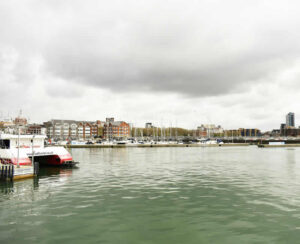
Located on the waterfront, Ocean Village is a modern marina development with apartments and townhouses overlooking the water. It appeals to professionals, downsizers and those seeking a contemporary lifestyle near bars, restaurants and leisure facilities.
Upper Shirley
Upper Shirley combines convenience and character, with Edwardian and 1930s houses, tree-lined avenues and access to Southampton Common. Its proximity to the General Hospital and schools makes it popular with medical professionals and families.
Netley
Situated to the east of the city, Netley offers a quieter, village-like setting near Royal Victoria Country Park. The area features a mix of traditional and modern housing, with coastal views and a strong sense of community.
Hedge End
Technically outside the city but still considered part of the Southampton commuter belt, Hedge End has grown rapidly with new housing developments, retail parks and good motorway access. It suits families looking for newer homes and suburban facilities.
Portswood
Popular with students and young professionals, Portswood is known for its range of shops, cafes and pubs. The housing stock includes Victorian terraces and maisonettes and the area is well connected to the city centre and university campuses.
Bitterne
Bitterne is a large suburb on the eastern side of the city offering a wide variety of housing, from post-war family homes to newer estates. It has a self-contained high street, schools and bus links into the city, making it convenient for families.
Woolston
Woolston has undergone recent regeneration, including the Centenary Quay development along the River Itchen. It now blends modern flats with traditional housing and benefits from its own station and ferry access to the city centre.
Sholing
Sholing is a residential area offering a mix of housing types and easy access to green space. It’s a practical option for buyers seeking family-sized homes with off-street parking and garden space, particularly east of the Itchen.