What’s It Like to Live in Salford?
Salford is an historic city in Greater Manchester with a diverse housing market ranging from Victorian terraces to modern apartments overlooking the Quays. Buyers are often attracted by its strong transport connections, regeneration projects and varied local amenities. If you are considering buying in Salford it helps to understand the types of properties, survey considerations and local risks that could affect your purchase.
Salford Living – Property and Lifestyle Overview
Salford is an historic city in Greater Manchester with a diverse housing market ranging from Victorian terraces to modern apartments overlooking the Quays. Buyers are often attracted by its strong transport connections, regeneration projects and varied local amenities. If you are considering buying in Salford it helps to understand the types of properties, survey considerations and local risks that could affect your purchase.
Architectural Features of Properties
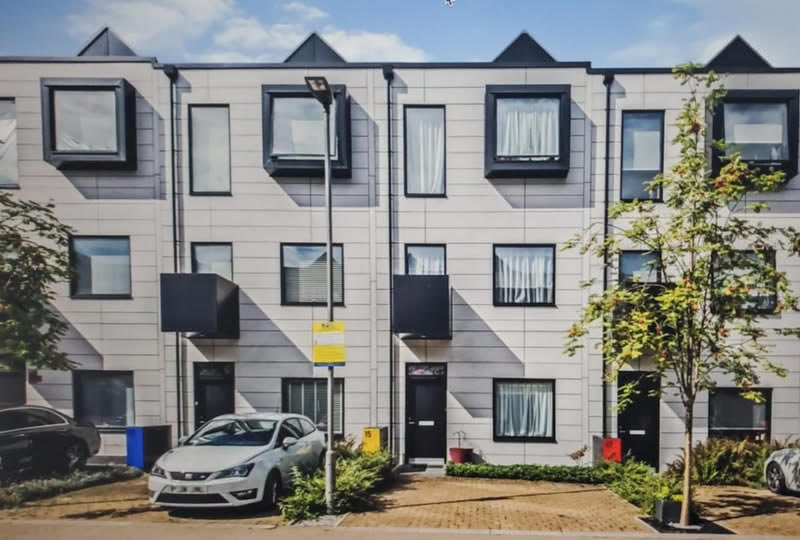
Salford offers a wide choice of property styles including red brick terraces, Edwardian houses and contemporary developments along the waterfront.
Historical Buildings and Their Features:
- Ordsall Hall: This Grade I listed Tudor manor house reflects Salford’s long history. Properties nearby can be subject to planning restrictions to protect the setting and character of this landmark.
- Local Brick: Many older terraces are built with Manchester red brick which is durable but can be prone to frost damage and spalling if mortar joints deteriorate over time.
Survey Findings Specific to Salford:
- Damp Issues: Properties close to the River Irwell and canals may be more prone to damp, especially in cellars and lower ground floors.
- Subsidence Risks: Certain areas near Eccles New Road have recorded cases of ground movement linked to historic industrial use and soft ground conditions.
- Roofing Concerns: Many Victorian and Edwardian houses have slate roofs that often need maintenance or replacement of slipped slates and lead flashings.
- Energy Efficiency: Older terraces and conversions may have solid brick walls with limited insulation leading to higher heating costs.
Local Amenities and Notable Places
Local Amenities:
- Salford Royal Hospital: A major healthcare centre providing a wide range of services and employment opportunities.
- The Quays: Home to MediaCityUK, shopping, restaurants and cultural venues including The Lowry Theatre.
Notable Places:
- Ordsall Hall: A historic house and museum that attracts visitors and hosts community events.
Flood and Radon Risks
Flood Risks: Properties close to the River Irwell and parts of Lower Broughton have a higher risk of flooding. It is advisable to review Environment Agency flood maps and consider specialist flood reports.
Radon Risks: Radon levels in Salford are typically low although it is still sensible to arrange testing in older properties with basements.
Traffic Congestion and Issues
Traffic Congestion: Roads around the Quays and Chapel Street can become heavily congested during peak commuting times and events at MediaCityUK.
Public Transport: Salford Crescent and Salford Central stations provide regular train services to Manchester and beyond. Metrolink tram services connect the city to key locations across Greater Manchester.
Conservation Areas
Conservation Areas: Areas around Adelphi and Crescent are designated conservation areas where property alterations are controlled to preserve historic character.
Future Projects: The Salford Crescent Masterplan is a large regeneration scheme that will deliver new housing, public spaces and transport improvements over the coming years.
Safety and Crime Statistics
Salford has seen improvements in crime rates in recent years though some parts of the city still experience higher levels of antisocial behaviour and theft. Areas closer to the Quays and regenerated developments generally report lower crime compared to older estates further inland.
Home Survey Considerations
Survey Recommendations: A professional survey is important especially for older properties with potential damp issues and structural movement. A Level 3 Building Survey can provide a full assessment if you are buying a Victorian terrace or larger period house.
Unique Survey Challenges: Conversions and ex-industrial buildings may need specialist inspections to check compliance with modern building regulations and to assess hidden defects.
Local Building Materials and Their Implications
Many properties use solid brick construction which requires regular maintenance of pointing and damp proofing. Slate roofs are common on older homes and need routine inspections to keep them weatherproof.
Comparison with Nearby Areas
Compared to central Manchester, Salford offers better value for money on period terraces and modern apartments. Buyers often find a wider choice of waterfront properties and planned regeneration projects that continue to improve local amenities.
Best Places to Live in Salford and Why
Salford has several neighbourhoods that stand out for different reasons including modern developments, traditional housing and strong transport links.
Salford Quays
Salford Quays is popular with buyers who want modern apartments, riverside views and easy access to MediaCityUK. Properties here are often newer builds with better energy efficiency and secure parking.
Chapel Street
Chapel Street has a mix of period buildings and new developments close to Manchester city centre. This area is well connected by public transport and attracts professionals looking for city living with character.
Ellesmere Park
Ellesmere Park offers larger detached houses and tree-lined streets. It is known for its quiet setting and proximity to good schools and green spaces.
Lower Broughton
Lower Broughton has seen regeneration with new housing and community facilities. Buyers here appreciate the balance of affordability and access to the city centre.
Why Buyers Choose Salford
Buyers are drawn to Salford for its mix of property types, improving infrastructure and good transport connections. Whether you prefer a contemporary apartment or a Victorian terrace it is worth arranging a detailed survey to understand the building’s condition before committing to a purchase.
Salford’s Property Market Trends – 2026
Thinking of buying in Salford? Here’s a simple overview of this year’s prices and what’s happening locally.
Average Prices – Salford 2026
| Property Type |
Average Price |
Most Common |
| Terraced |
£230,000 |
Yes |
| Semi-detached |
£290,000 |
No |
| Detached |
£420,000 |
No |
Source: Rightmove, 2026
The average house price in Salford is just over £313,333. Terraced houses are the most common properties sold followed by semis and flats.
What’s Happening in the Area?
Salford is seeing major investment and regeneration projects that continue to transform the local market:
- Crescent Salford Regeneration: A large-scale scheme delivering thousands of new homes, green spaces and commercial facilities along the A6 corridor. Work is progressing in phases through 2025 and beyond.
- MediacityUK Expansion: New apartments, offices and cultural venues are being developed around the Quays strengthening Salford’s position as a creative hub.
- Chapel Street Improvements: Ongoing projects are revitalising historic areas with better public spaces and restored period buildings.
- Affordable Housing Schemes: Salford City Council is working with developers to build more affordable homes including shared ownership options near Ordsall and Lower Broughton.
For First-Time Buyers
Two-bedroom terraces remain popular especially in Eccles, Lower Broughton and around Langworthy. New apartments at the Quays attract professionals seeking modern living with good transport links.
In Summary
Salford is a growing and dynamic market with steady price increases and extensive development. If you are buying it is worth arranging a survey to be clear on the condition of the property and any renovation needs before you proceed.