















What’s it like living in Harlow?
Harlow in Essex offers a blend of post-war new town planning and newer developments, making it a popular choice for commuters and families alike. Its position on the London commuter belt, combined with green spaces and growing infrastructure, means Harlow continues to attract a wide range of homebuyers.
Architectural Features of Properties
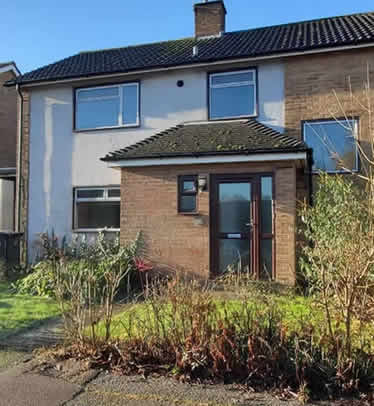
Properties in Harlow range from 1950s and 1960s ex-local authority homes to modern estates and flats. The town was one of the UK’s original New Towns and this is reflected in its layout and property types.
Historical Buildings and Their Features
One of Harlow’s key heritage sites is the Mark Hall Manor House. Its Tudor architecture and Grade I-listed status reflect the area’s long history and its presence can affect planning restrictions in the immediate vicinity. Renovations and extensions to listed buildings or homes within designated zones typically require consent from the local authority.
Local Stone
Many older homes in Harlow are built with London stock brick or concrete block. These materials can be prone to staining and require maintenance such as repointing or sealing to manage damp ingress, especially on exposed elevations.
Survey Findings Specific to Harlow
- Damp Issues: Properties in areas such as Bush Fair and Netteswell can be affected by damp due to ageing construction and limited modern insulation.
- Subsidence Risks: Some parts of Harlow, particularly near the River Stort, are on clay-rich soil, which may be susceptible to ground movement in dry or wet conditions.
- Roofing Concerns: Homes with original flat roofs, common in New Town-era housing, can require more frequent maintenance due to pooling water or cracking.
- Energy Efficiency: Older properties with single-glazed windows and solid walls often underperform on energy ratings, especially those not retrofitted with modern heating or insulation systems.
Local Amenities and Notable Places
Harlow benefits from a wide range of local amenities. Passmores Academy and Burnt Mill Academy are well-known secondary schools and Princess Alexandra Hospital serves the local area. For shopping and leisure, The Water Gardens and Harvey Centre provide high street and essential retail options. Harlow Town Park is one of the largest urban parks in the country and includes a petting zoo, adventure playground and landscaped gardens. The Gibberd Garden, created by the town’s master planner Sir Frederick Gibberd, is another notable green space with architectural interest.
Flood and Radon Risks
Harlow has some areas near watercourses such as the River Stort which are considered to have a higher flood risk. Buyers should check flood maps and ensure proper drainage systems are in place, especially for homes backing onto streams or natural water features. Radon levels in Harlow are generally low, but older homes with basements may still benefit from testing as part of a detailed building survey.
Traffic Congestion and Issues
Traffic congestion is most common on the A414, A1184 and around the town centre during peak hours. Planned roadworks and ongoing residential developments occasionally add to travel delays. However, the town remains well-connected. Harlow Town and Harlow Mill railway stations provide direct train services to London Liverpool Street, Cambridge and Stansted Airport, making it ideal for commuters.
Conservation Areas
There are several conservation areas in Harlow, including the Old Harlow district, which features listed buildings and period cottages. Planning restrictions in these areas protect the town’s historical character and influence renovation decisions. Future development in Gilston and around the Harlow & Gilston Garden Town project may improve housing supply and transport but could increase traffic during construction phases.
Safety and Crime Statistics
Like many towns of its size, Harlow sees some variation in crime levels across neighbourhoods. Central areas such as the Town Centre and Little Parndon have slightly higher reported levels of antisocial behaviour and theft compared to the quieter residential zones like Church Langley and Newhall.
Home Survey Considerations
Harlow’s housing stock is varied in age and construction method, so commissioning the right survey is essential. A Level 2 Homebuyer Survey is suitable for most homes, though older properties or those with flat roofs may require a more detailed Building Survey. Infill developments and council-built homes may reveal previous alterations or non-standard materials, which should be checked during a survey to ensure compliance and safety.
Local Building Materials and Their Implications
Harlow homes are commonly constructed with London stock brick, concrete block and in some cases timber frame. Brickwork often requires regular maintenance in older properties, especially where mortar is deteriorating. Flat roofing materials used in earlier estates can be prone to leaks and may require upgrades.
Comparison with Nearby Areas
Compared to nearby Epping or Bishop’s Stortford, Harlow generally offers better value for money and stronger transport links to London. While Epping may be more picturesque, Harlow provides greater choice in modern housing and is better suited to commuters seeking practicality and space.
Top Places to Live in Harlow
Harlow offers a mix of older estates, regenerated zones and modern housing developments, providing options for a wide range of buyers. These areas are some of the most popular among those relocating to or within the town:
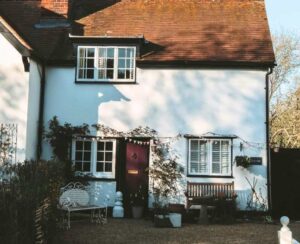
- Old Harlow: A conservation area with period cottages and listed buildings, offering a more traditional village feel. Known for its charm and proximity to the station.
- Church Langley: A well-established modern estate with family homes, local amenities and primary schools. It remains one of Harlow’s most sought-after areas for families.
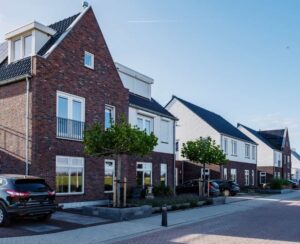
- Newhall: A newer development featuring contemporary architecture and energy-efficient homes. Popular with professionals and families, with access to shops, schools and green space.
- Gilden Park: A newer community development offering spacious homes and good road access to the M11. Appealing to buyers looking for long-term investment potential.
- Great Parndon: Offers a mix of mid-century homes and newer builds with easy access to Harlow Town Park and the A414. A practical option for commuters and growing families.
- Staple Tye: A residential area with good bus connections and local shops. Homes here tend to offer more space at competitive prices.
Homebuyer Survey can help identify key maintenance issues and give added confidence to those considering a purchase in any part of the town.