What’s It Like to Live in Runcorn?
Runcorn sits on the south bank of the River Mersey in Halton, Cheshire. For home buyers the mix of historic village cores, twentieth century estates and major transport crossings shapes how homes age and what a survey should check. Coastal exposure is not a factor, however tidal influence on the estuary and local ground conditions mean due diligence is important before you commit.
Runcorn Living – Property and Lifestyle Overview
Architectural Features of Properties
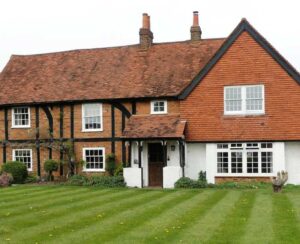
A broad spread of housing types can be found in Runcorn. Halton Village and Higher Runcorn reflect early settlement history with older buildings and listed assets. There are Victorian terraces, inter-war semi-detached houses and large post-war and later planned estates around Castlefields, Palacefields, Murdishaw and Sandymoor. Transport infrastructure including the Runcorn Railway Bridge and two road bridges crossing the Mersey also define local character.
Historical buildings and their features
Norton Priory Museum and Gardens incorporates medieval monastic ruins and an undercroft while Halton Castle perches on a sandstone mound above the Old Town. These heritage assets reflect the area’s long history and mean that homes nearby often fall under stricter planning controls.
Local stone
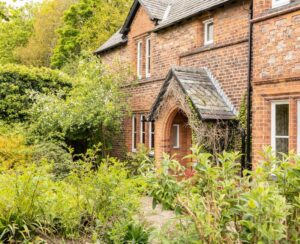
Runcorn red sandstone appears in older churches, boundary walls and some dwellings. Being porous, this stone benefits from lime-based pointing and careful cleaning to manage moisture. Regular repointing with compatible mortar is advised to avoid deterioration.
Survey findings specific to Runcorn
- Damp issues Solid wall Victorian terraces and cottages can suffer rising damp or penetrating damp when maintenance has lapsed. Check ground levels, sub-floor ventilation and the condition of gutters and downpipes, particularly on exposed plots or slopes.
- Subsidence risks Some areas sit on variable made ground near historic transport or industrial corridors. If there are signs of cracking or patched repairs ask for a Level 3 building survey and review any past insurance claims.
- Roofing concerns Earlier housing typically has natural slate roofs. Look for slipped slates, decayed ridge mortar and corroded fixings. Later estates have interlocking concrete tiles which may need checking for brittle units and failing underlay at the eaves.
- Energy efficiency Older solid wall homes with original features tend to have poor thermal performance. They benefit from measures such as secondary glazing, loft insulation and improved ventilation, provided conservation restrictions allow.
Local Amenities and Notable Places
Norton Priory Museum and Gardens offers heritage gardens, archaeological displays, and woodland walks. The Brindley Theatre in the Old Town hosts arts performances. The Bridgewater Canal and multiple parks provide pleasant walking and recreation routes. Buyers often weigh proximity to these facilities against traffic levels near bridge approaches.
Flood and Radon Risks
Flood risks: Runcorn lies within a River Mersey flood warning area. Certain neighbourhoods including Manor Park and Sandymoor fall within that zone. For any property consult the Environment Agency’s flood map and ask your solicitor for historical flood records.
Radon levels: Runcorn is not generally classed in high-radon areas, but radon levels can vary by street or building. A simple household test is always a sensible precaution, especially for ground floor or lower homes.
Traffic Congestion and Issues
Traffic congestion: Congestion can form around the Silver Jubilee Bridge and Mersey Gateway Bridge during peak travel times or if incidents occur. Town centre junctions can also slow traffic, particularly around the Old Town area.
Public transport: Runcorn station sits on the Liverpool branch of the West Coast Main Line with frequent direct services to Liverpool Lime Street and long-distance services to London Euston. Journey times to Liverpool are often under twenty minutes on fast services and around two hours to London on express trains. Runcorn East station serves routes toward Manchester and Chester. A network of local buses connects residential areas with the Old Town and shopping zones.
Conservation Areas
Halton Borough Council designates several conservation areas including Halton Village, Higher Runcorn and Weston Village. Properties within these areas may be subject to planning controls, especially regarding external works, boundary changes and protected trees. Character is often defined by sandstone walls, traditional roofing and consistent window styles.
Future projects
The council is advancing plans for public-realm improvements in Runcorn Old Town. Such works can influence traffic flows and infrastructure during delivery, so consult planning resources for the latest updates before purchasing.
Safety and Crime Statistics
Recent figures indicate Runcorn’s overall crime rate sits around the mid-eighties per 1,000 people, higher than the Cheshire average. Crime varies significantly by ward. Buyers are advised to consult current police or community safety data for their specific street or postcode.
Home Survey Considerations
A Level 2 survey may suffice for later-era standard homes in good condition. However older or altered buildings, homes in conservation areas or those near former industrial zones may warrant a Level 3 building survey. Key areas of focus typically include moisture in solid walls, sandstone condition and pointing, roof coverings and flashings, chimneys, rainwater management, ventilation efficiency and any ground stability concerns.
Local Building Materials and Their Implications
Runcorn red sandstone offers longevity yet requires breathable mortars and routine maintenance to avoid moisture retention. Brick and terracotta facades, common in later housing stocks, generally respond well to proper maintenance of mortar joints and rainwater goods.
Slate roofs offer durability if fixings remain in sound condition. Concrete tile roofs may require phased upgrade if units show wear or underlay fails.
Comparison with Nearby Areas
Compared to Widnes across the river, Runcorn offers faster mainline rail connections to Liverpool and London from Runcorn station and additional routes from Runcorn East to Manchester and Chester. Both towns face traffic pressure around bridge approaches, but survey considerations differ depending on conservation status, ground conditions and housing age in each micro-location.
Runcorn Property Market Trends – 2026
Looking to buy in Runcorn? Here’s an up-to-date snapshot of local prices and market changes.
Average Prices – Runcorn 2026
| Property Type |
Average Price |
Most Common |
| Terraced |
£180,000 |
No |
| Semi-detached |
£235,000 |
Yes |
| Detached |
£365,000 |
No |
Source: Rightmove, 2026
The average sold price in Runcorn over the last year was £260,000. Semi-detached homes made up the largest share of sales, followed by terraced and detached properties.
What’s Happening in the Area?
Recent market factors in Runcorn include:
- Transport Links: Well-connected to Liverpool, Manchester, and Chester via road and rail.
- Affordability: Lower average prices compared with many surrounding towns.
- Development Projects: Regeneration schemes in parts of the town attracting new buyers and investors.
- Local Amenities: Access to shopping centres, green spaces, and riverside walks.
For First-Time Buyers
Terraced houses present the most affordable starting point in Runcorn. Some may need renovation, so a thorough survey is advisable before purchase.
In Summary
House prices in Runcorn have increased by 6% over the past year and now sit 1% above the 2022 peak of £192,760. Commissioning a professional survey will help you assess the property’s condition before committing to buy.