

















What’s it like living in Peterborough
This guide will give you a quick tour of Peterborough and introduce you to some of its best neighbourhoods.
Is Peterborough a Good Fit for You?
Peterborough, in eastern Cambridgeshire, has grown by 17.5% since 2011 and now has a population of over 215,700. While initially you might think of it as a commuter town for London (thanks to its great connections), it has so much more to offer! From museums and theatres to beautiful parks and woodlands, Peterborough is a vibrant city. There are plenty of cafes, restaurants, bars, sports clubs and other amenities, making it a great place to relax, socialise or raise a family. It’s a popular choice for young professionals and families alike.
Why Buy a Home in Peterborough?
Peterborough’s excellent transport links are a major draw, especially for those working in or near London. With frequent trains to London (five per hour!), Liverpool, Lincoln, Norwich and express services to Yorkshire, Newcastle and Scotland, it’s a fantastic transport hub.
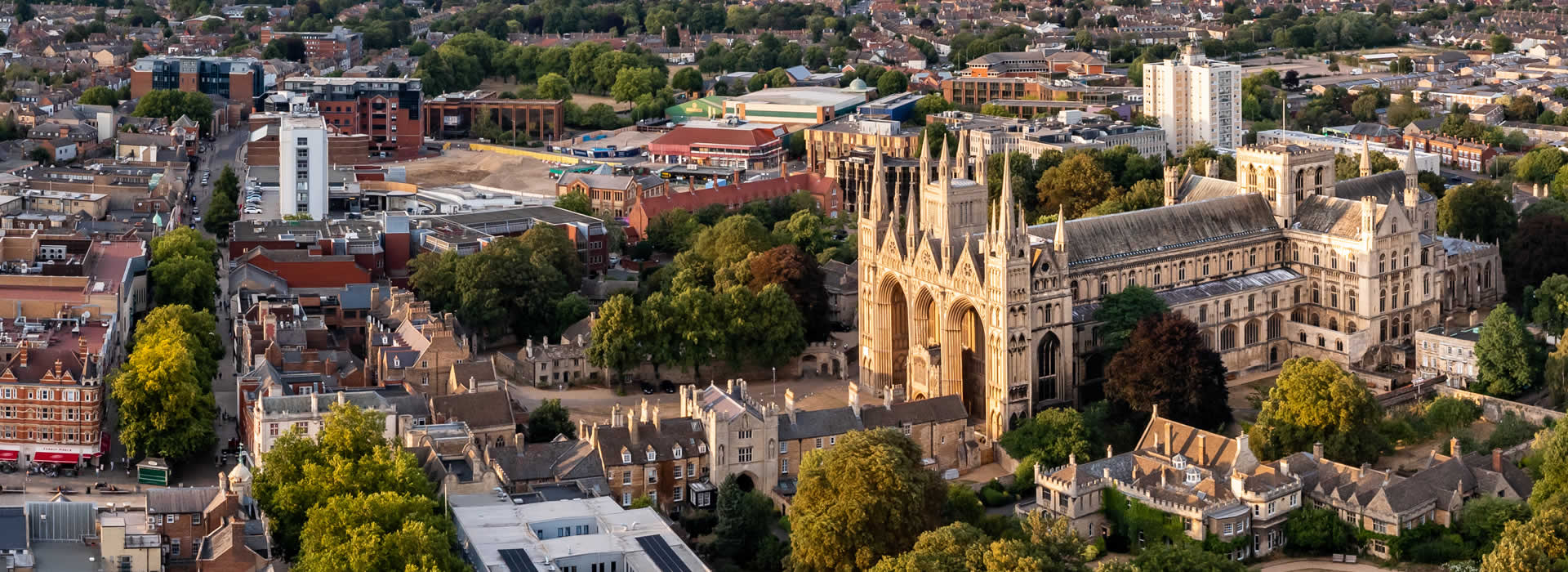
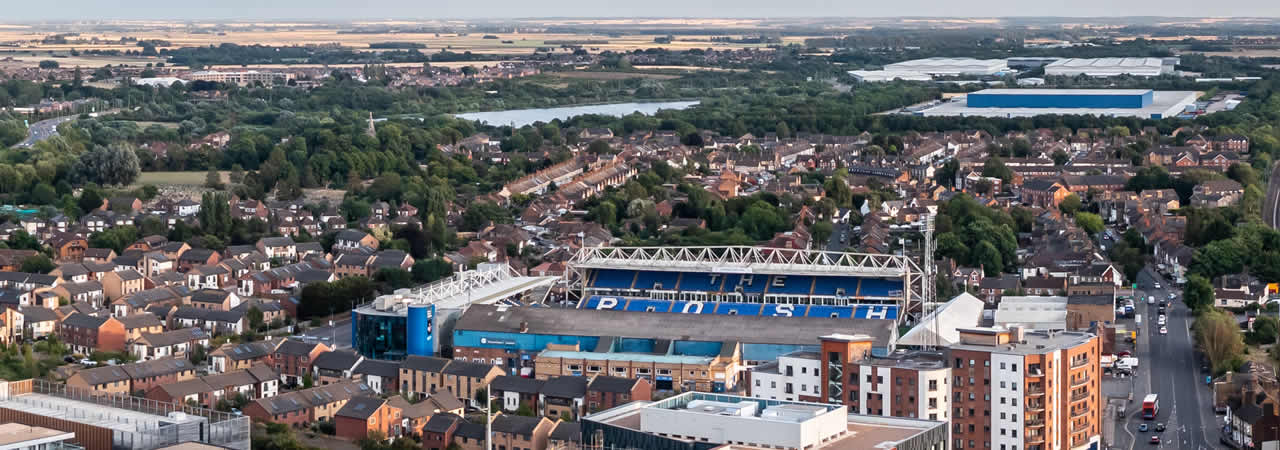
The city itself offers a wealth of entertainment options. Explore historical sites like the 13th-century Peterborough Cathedral or the Bronze Age archaeological park. Catch a game at the football stadium, relax in Nene Park or marvel at Burghley House, one of England’s grandest Elizabethan houses.
For keen cyclists or families, Peterborough Green Wheel is a network of over 45 miles of cycle paths with rest areas and pubs. Explore the city’s green spaces, including woodlands, lakes and rivers, all within easy reach.
Best Places to Live in Peterborough
- Hampton: South of Peterborough, offers recreation activities, restaurants and bars. Popular with young professionals due to amenities and easy city access. New builds are interspersed with green spaces.
- Hampton Vale & Hampton Hargate: Southwest of Peterborough, these areas offer modern family-friendly amenities including pre-schools, daycares, a primary school and Hampton College.
- Yaxley: Village 4 miles south of Peterborough, ideal for families with schools, playgrounds, restaurants, cafes, and a mix of detached, semi-detached and townhouses.
- Whittlesey: Market town 6 miles east, featuring a Friday market, schools, a college, sports clubs and leisure centres.
- Stamford: 10 miles northwest, picturesque market town outside Peterborough. Voted best place to live by The Sunday Times (2021), offers proximity to Burghley House, greenery, and a 75-minute train ride to London.
Potential downsides of living in Peterborough
City centre:
Some residents find the city centre lacking vibrancy, dominated by chain stores with limited high-end shopping.
Crime:
Peterborough has a crime rate of 38.3 crimes per 1,000 people per year (as of March 2024), 8% above the national average.
Violent Crime:
38.6% of all reported crimes; 33,300 violent crimes were recorded.
Positive Trend:
5.1% decrease in violent crime compared to the previous year (Feb 2023 – Jan 2024).
Limited job market:
While Peterborough has grown in recent years, some residents feel there are fewer career opportunities compared to larger cities.
Peterborough City Centre Regeneration: Exciting Prospects for Homebuyers
Peterborough is undergoing a significant transformation, with ambitious plans to revitalize the city centre. Funded by a £48 million government grant, key developments include:
Station Quarter Revamp:
The £65 million overhaul includes:
- Improved Station Accessibility: Double-sided station design to enhance access and traffic flow.
- Modern Gateway Building: State-of-the-art building to enhance first impressions for visitors.
- New Offices and Retail: Creation of office spaces and retail facilities to boost jobs and vibrancy.
What This Means for Homebuyers
- Increased Area Appeal: Modernisation could raise property values.
- Improved Connectivity: Better access and traffic flow within the city.
- Lively Neighbourhood: New offices and retail create a dynamic living area.
Looking Ahead:
The project is in early stages, with public consultation and detailed design planning still to come.
Living in a Peterborough Conservation Area: Pros and Cons
Peterborough has 8 distinct conservation areas designed to protect the unique character and historic significance of neighbourhoods.
- City Centre: Iconic landmarks and historic squares.
- Former Great Northern Railway Cottages: 1850s railway cottages north of city centre.
- Orton Longueville & Orton Waterville: West of city centre, historic cores with medieval churches and 18th-19th century buildings.
- Park: Model housing area from 1870s with characteristic roads and central park.
- Queens Road: Victorian-era housing terraces.
- Stanground & Werrington: Historic villages near city centre.
Before Buying in a Conservation Area
Considerations include:
Pros:
- Preserved Character: Beautiful architecture, mature trees, cobbled streets and well-maintained public spaces.
- Property Value: Homes tend to hold value or appreciate faster.
- Restrictions Can Be Positive: Building regulations maintain aesthetics and charm.
Cons:
- Renovation Restrictions: Changes like window or door replacement require approval, which can increase cost and time.
- Limited Modernisation: Large-scale renovations or extensions may be harder to approve.
- Higher Maintenance Costs: Period properties require specialised upkeep.
Important things to do before committing to a house purchase in a conservation area
Research the Designation: Not all properties within a conservation area have the same restrictions.
Consult a Local Surveyor: A surveyor familiar with conservation areas can advise on specific limitations.
Contact the Local Council: The Peterborough City Council Planning Department provides details on restrictions for your property.