

















What’s it like living in Huntingdon?
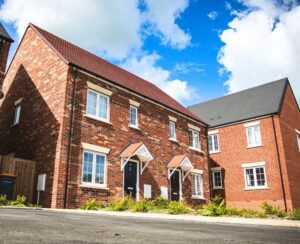
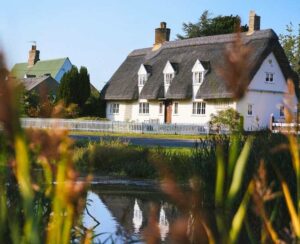
Huntingdon features a mix of Georgian terraces, Victorian townhouses, post-war developments and newer estates. Traditional brick-built homes dominate the town centre, while suburban developments offer modern, energy-efficient housing on the outskirts.
Historical Buildings and Their Features
The Cromwell Museum, housed in the former Huntingdon Grammar School, reflects the town’s historical heritage. As a Grade II listed building, it illustrates the architectural preservation found in parts of the town centre, where development and alterations are subject to stricter planning conditions.
Local Stone
Older buildings in Huntingdon may feature Cambridgeshire gault brick, which is pale in appearance and can be susceptible to staining. Regular maintenance, including repointing and cleaning, is often required to manage weathering on these properties.
Survey Findings Specific to Huntingdon
- Damp Issues: Properties near the River Great Ouse, particularly along Mill Common, can be prone to rising damp due to high ground moisture levels.
- Subsidence Risks: The clay-rich soil in some parts of Huntingdon, including areas like Sapley, may cause foundation movement, especially during dry summers.
- Roofing Concerns: Victorian and Edwardian homes in the centre often have slate roofs that may suffer from slipped tiles and require regular inspection.
- Energy Efficiency: Older properties may lack cavity wall insulation and double glazing, contributing to lower EPC ratings compared to modern developments such as Stukeley Meadows.
Local Amenities and Notable Places
Huntingdon benefits from a well-established high street, several supermarkets and retail parks. Hinchingbrooke School and St Peter’s School are among the well-regarded secondary schools in the area. Hinchingbrooke Country Park offers 170 acres of open space, trails and woodland, popular for walking and family activities. Historic landmarks include the medieval bridge over the Great Ouse and All Saints’ Church, adding to the town’s appeal for heritage-conscious buyers.
Flood and Radon Risks
Flood risk is higher in riverside zones, especially near Hartford Marina and Godmanchester, where flood defences are in place but regular monitoring is advised. Buyers should ensure surveys include a flood risk assessment where applicable. Radon levels in Huntingdon are typically low, though testing may still be advisable in older homes or those with basements.
Traffic Congestion and Issues
Huntingdon experiences traffic congestion during rush hour along the A141 and near junctions to the A14. The recent bypass improvements have eased through-traffic, but local routes can still be busy at peak times. Huntingdon railway station provides regular services to London King’s Cross, Peterborough and Cambridge, making it a viable base for commuters.
Conservation Areas
Huntingdon town centre, Godmanchester and parts of Hartford fall within designated conservation areas. These zones require careful planning when altering or extending properties to preserve architectural and historical integrity. New housing projects, such as those around Alconbury Weald, may impact local infrastructure but also offer opportunities for buyers seeking newer homes with modern layouts and building standards.
Safety and Crime Statistics
Huntingdon has a relatively low crime rate compared to larger urban centres. Minor antisocial behaviour and vehicle-related incidents are most commonly reported around the town centre, while outlying estates tend to see fewer issues.
Home Survey Considerations
Buyers should consider a Level 2 Homebuyer Survey for most properties, with a full Building Survey advised for older or listed homes in conservation areas. Common concerns include roof defects, outdated wiring and damp, particularly in pre-1930s housing. Properties in newer developments should still be inspected for snagging issues or poor workmanship before finalising a purchase.
Local Building Materials and Their Implications
Homes in Huntingdon often feature traditional brick and slate roofs, with newer builds using concrete tiles and uPVC. Gault brick, common in older homes, may require more frequent upkeep to manage weather exposure and structural wear over time.
Comparison with Nearby Areas
Compared to St Ives or St Neots, Huntingdon offers faster rail connections to London and a more central location within Cambridgeshire. While St Ives has more period charm and St Neots offers larger estates, Huntingdon strikes a balance between accessibility, heritage and local amenities.
Top Places to Live in Huntingdon
Huntingdon, a historic market town in Cambridgeshire, offers a variety of neighbourhoods and nearby villages that cater to different lifestyles. Whether you’re looking for riverside walks, newer developments or traditional village living, the area has much to offer. Below are some of the most popular places to consider:
- Godmanchester: Just south of Huntingdon, this attractive town features period architecture, scenic views of the River Great Ouse and a strong local community.
- Brampton: A village to the west of town with a mix of historic cottages and new-build housing. Well suited to families, with local shops, schools and green space.
- Stukeley Meadows: A residential area close to the A141 and town centre, popular with commuters and families. The estate has a range of semi-detached and detached homes.
- Hinchingbrooke: Known for its hospital, country park and school, this neighbourhood combines practical convenience with access to open space and transport links.
- Alconbury Weald: A major new development north of Huntingdon offering modern housing, planned schools, shops and community amenities. Popular with those seeking contemporary homes.
- Hartford: A quiet riverside location with a mix of older and modern homes. Offers easy access to water-based recreation and countryside walking routes.
These neighbourhoods reflect the variety of property styles and settings available in and around Huntingdon. A Homebuyer Survey is recommended to assess the condition of any property before purchase, especially in areas with older housing stock or recent development activity.