Geography and Housing
Aylesbury sits in the Vale of Aylesbury, a fertile valley within the Chiltern Hills. The relatively flat landscape provides ample space for a variety of housing options, ranging from period properties in the town centre to modern developments on the outskirts. The town’s geography has influenced its growth, with the River Thame historically shaping its development and continuing to provide a natural feature within the urban landscape.
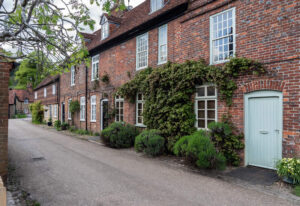
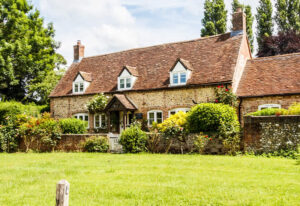
Housing in Aylesbury caters to a range of needs. Victorian terraces are common in areas like Walton and Bedgrove, while the conservation area around St. Mary’s Church features period cottages. Modern estates such as Fairford Leys and Berryfields offer contemporary houses and apartments. The town centre has witnessed a rise in apartment complexes, providing convenient living for young professionals and downsizers. This variety ensures potential buyers can find a property that suits their lifestyle and preferences.
The influence of the town’s geography extends beyond housing styles. The surrounding countryside, including the Chiltern Hills Area of Outstanding Natural Beauty, provides opportunities for outdoor activities and impacts the local climate, contributing to generally pleasant weather conditions.
Unique Attributes of Aylesbury
Aylesbury possesses a rich history dating back to the Iron Age. Its historical significance is evident in the architecture and landmarks found throughout the town. The 15th-century King’s Head Coaching Inn, once a stop for stagecoaches travelling between London and Birmingham, now serves as a reminder of Aylesbury’s past. The County Museum, housed in a former prison, showcases local history and archaeological finds.
The town centre retains its market town character with a twice-weekly market held in the Market Square. This traditional market offers local produce, crafts and goods, contributing to a strong sense of community. The modern Waterside Theatre provides a venue for cultural events, hosting plays, musicals and concerts.
Aylesbury’s combination of historical heritage and modern amenities creates a distinctive character. The town successfully balances its past with contemporary living, offering residents a fulfilling lifestyle.
Neighbourhoods and Amenities
Aylesbury offers a variety of neighbourhoods, each with its own distinct character. Walton, located north of the town centre, is a popular residential area with a mix of Victorian and Edwardian houses. Bedgrove, to the south, offers a similar residential environment with good access to local schools. Fairford Leys, a modern development on the western edge of town, provides contemporary housing and a strong community feel.
For those seeking a village atmosphere, the nearby villages of Weston Turville and Wendover offer a quieter pace of life while remaining within easy reach of Aylesbury’s amenities.
Aylesbury town centre provides a wide range of amenities. The Friars Square shopping centre houses high street brands and independent shops. A range of supermarkets, including Tesco, Sainsbury’s and Waitrose, cater to everyday needs. The town also offers a selection of restaurants, pubs and cafes, catering to different tastes.
Recreational facilities in Aylesbury are plentiful. The Aqua Vale Swimming and Fitness Centre provides a modern facility for swimming, fitness classes and sports. Vale Park offers green space for relaxation and outdoor activities, while the nearby Chiltern Hills provide opportunities for walking, cycling and horse riding.
Architectural Traits and Building Materials
Aylesbury’s architecture reflects its historical development. Traditional building materials like brick and flint are prevalent in older properties, particularly in the conservation area and surrounding villages. Victorian and Edwardian houses often feature red brick with decorative detailing. Timber framing, although less common, can be found in some historic buildings, adding to the town’s architectural diversity.
Modern developments utilize a wider range of materials, including brick, render and timber cladding. These developments often incorporate sustainable building practices and energy-efficient designs.
Understanding the architectural styles and building materials prevalent in Aylesbury is essential for homeowners. Period properties may require specialist maintenance and renovation, while newer builds might have specific considerations regarding insulation and ventilation. A thorough building survey can help identify potential issues related to building materials and construction methods.
Flooding Risk and Radon Levels
While Aylesbury is not generally considered a high-risk flood area, some parts of the town are located within flood zones. Areas close to the River Thame and its tributaries, such as parts of Walton and the Bourton Meadow area, have a higher risk of flooding.
Potential homebuyers should consult the Environment Agency’s flood maps and consider flood risk when choosing a property. It is also advisable to check if the property has a history of flooding and if any flood mitigation measures are in place.
Radon levels in Aylesbury are generally low. However, some areas, particularly those with underlying chalk geology, may have elevated levels. Homebuyers can access radon maps on the UK Radon website and consider radon testing if necessary.
Transportation and Connectivity
Aylesbury benefits from good transport links. The A41 provides a direct route to London and Birmingham, while the A418 connects to Oxford. The town has a railway station with direct services to London Marylebone, taking approximately one hour. Regular bus services operate within the town and connect to surrounding villages and towns.
For those travelling further afield, London Luton Airport is approximately 30 miles away, offering both domestic and international flights.
Within the town, cycling infrastructure is improving, with dedicated cycle paths and routes promoting sustainable travel. However, local residents have noted significant roadworks and traffic congestion in recent times, particularly due to ongoing HS2 construction and road maintenance. While these are temporary disruptions, potential homebuyers should be aware of the impact on commute times and travel within the town.
Education and Family Life
Aylesbury offers a range of educational options for families. Primary schools include Mandeville School and Elmhurst School. Secondary schools such as Aylesbury Grammar School and The Grange School cater to older students. Aylesbury College provides further education opportunities, offering vocational courses and apprenticeships.
Families will find a variety of activities and amenities in Aylesbury. The Roald Dahl Children’s Gallery at the County Museum provides interactive exhibits for younger children. Parks and playgrounds offer spaces for outdoor play, while the Aqua Vale Swimming and Fitness Centre provides activities for all ages.
Crime and Safety
While Aylesbury is generally considered a safe town, it’s important to be aware of local crime statistics. In 2023, Aylesbury had a crime rate of 112 crimes per 1,000 people, which is higher than the average for Buckinghamshire. However, it’s worth noting that crime rates can vary significantly within a town and some areas are safer than others.
Local residents highlight that Aylesbury feels safe and the presence of necessary amenities and shops contributes to a sense of convenience and community. However, it’s important to be aware of potential issues like traffic congestion, particularly during peak hours.
Comparison with Nearby Areas
Compared to nearby towns like Buckingham, Aylesbury offers a wider range of amenities and employment opportunities. Its larger size and more extensive housing stock provide greater choice for homebuyers. While villages like Wendover and Haddenham offer a quieter lifestyle, Aylesbury provides a more bustling atmosphere with a wider range of cultural and leisure activities.
Some locals feel that while Aylesbury offers affordability, those with a larger budget might find more “characterful” options in surrounding towns and villages, which may also offer advantages like grammar school catchment areas and direct transport links to London.
Best Places to Live in Aylesbury
Choosing the best place to live in Aylesbury depends on individual preferences and priorities. Families might favour areas like Bedgrove or Fairford Leys for their good schools and community atmosphere. Young professionals might prefer the convenience of town centre living or the modern developments in Berryfields. Those seeking a quieter lifestyle might consider the outskirts of town or nearby villages.
Some of the most sought-after areas in Aylesbury include:
- Walton: Known for its Victorian and Edwardian houses and proximity to the town centre.
- Bedgrove: A popular residential area with good schools and a community feel.
- Fairford Leys: A modern development with a range of housing styles and excellent amenities.
- Berryfields: Another newer development with contemporary houses and good transport links.
Local perspectives suggest that the south side of Aylesbury offers more established housing, while the north-west has a higher concentration of ex-council properties and industrial estates.
Ultimately, the best place to live in Aylesbury is the one that best suits your individual needs and lifestyle.
This guide provides a starting point for your property search in Aylesbury. By considering the factors discussed and conducting thorough research, you can make an informed decision and find the perfect home in this historic market town.
Where to live in Aylesbury
Here are some of the best places to live in Aylesbury:
-
Bedgrove:
- Located in southern Aylesbury with good connectivity through the A41 and A418.
- Boasts a population of around 10,000, with excellent schools and local amenities.
- Features a Green Flag award-winning park, making it family-friendly.
-
Hawkslade:
- A modern residential area built in the early-1980s.
- Offers a variety of housing options from studio apartments to family homes.
- Conveniently located with easy access to amenities, schools and the Buckinghamshire countryside.
- Known for its tight-knit community, hosting local events throughout the year.
-
Elmhurst:
- Situated on the northeast side of Aylesbury, known for its quiet surroundings.
- Close proximity to good schools, including Aylesbury Grammar School and Sir Henry Floyd Grammar School.
- Mix of semi-detached and detached houses amidst green spaces.
- Well-connected to the Aylesbury Vale Parkway train station for easy travel.
-
Berryfields:
- A relatively new residential development with modern conveniences.
- Well-designed houses built to high standards.
- Near the train station with direct links to London Marylebone.
- Local amenities include a supermarket, coffee shop, pub and community health centre.
-
Bierton:
- An attractive village located 2 miles east of Aylesbury.
- Offers a range of housing options, from new build estates to period homes, in a peaceful, rural setting.
- Access to the beautiful Chiltern Hills and walking trails.
- Home to a local school and the historic St James’ Church dating back to the 13th century.