What’s it like living in Newbury?
Newbury, an historic market town in West Berkshire, offers a mix of traditional architecture, modern development and good transport links. It remains a popular choice for home buyers, particularly those seeking character properties or proximity to open countryside. This guide outlines key features relevant to those considering a move to the area, with a focus on property surveys and local conditions.
Architectural Features of Properties
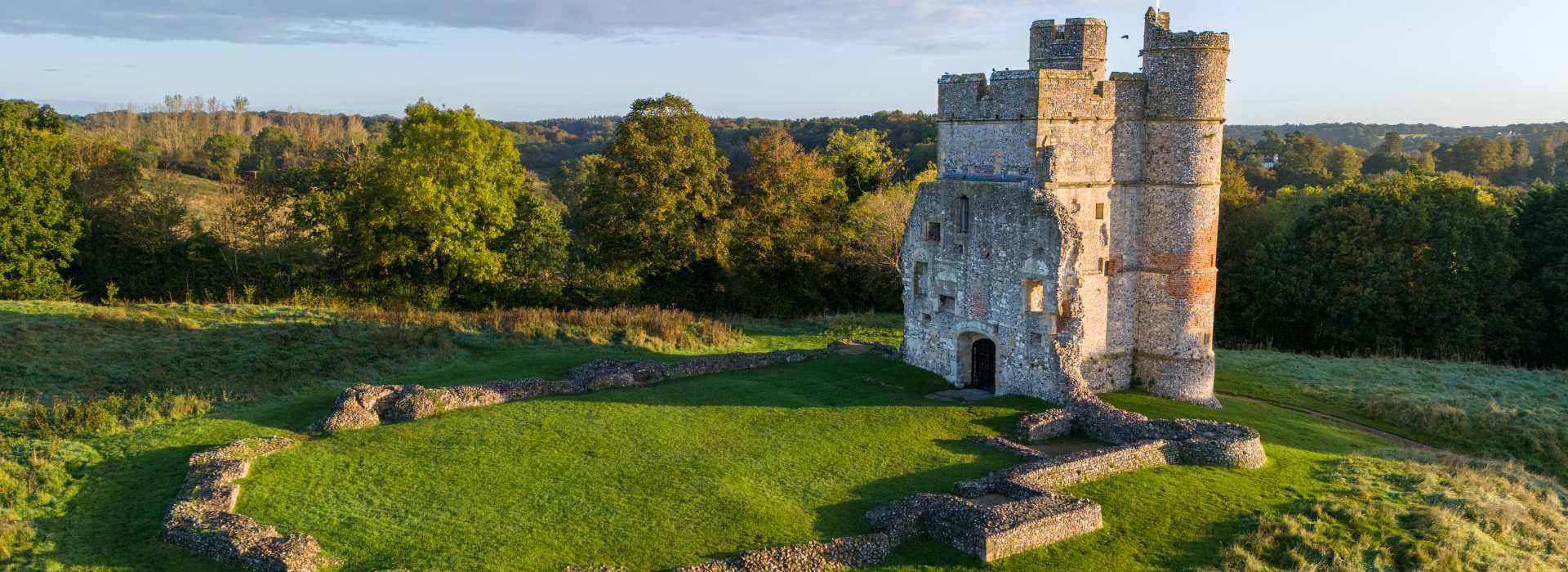
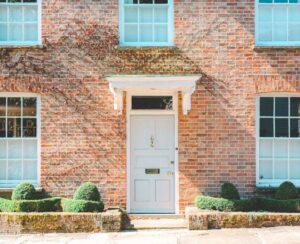
Historical Buildings and Their Features: Newbury is home to a number of period buildings, including timber-framed cottages, Georgian terraces and converted barns. Donnington Castle is one of the area’s most recognised historic landmarks and reflects Newbury’s rich history. Many listed buildings in the town centre are protected under conservation rules, which can affect renovation plans.
Local Stone: Older buildings in Newbury often feature red brick or flint, common across Berkshire. Flint is porous and can be vulnerable to staining or weather-related wear, meaning regular maintenance is needed to prevent damp or surface damage.
Survey Findings Specific to Newbury:
- Damp Issues: Properties close to the River Kennet, particularly around Mill Lane and Wharf Street, are more likely to experience rising damp due to proximity to water and older construction methods.
- Subsidence Risks: Chalky soil in some areas near the southern edge of town, including parts of Wash Common, can increase the risk of ground movement or subsidence, especially during dry summers.
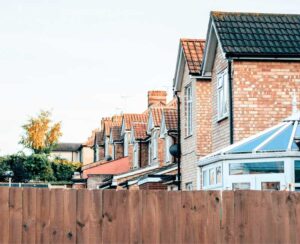
- Roofing Concerns: Many Victorian and Edwardian homes in Newbury have slate roofs. These often require regular inspection for slipped or cracked tiles, particularly after storms or cold spells.
- Energy Efficiency: Period properties in Newbury may include original single-glazed sash windows and solid walls. These features contribute to heat loss, which may not meet current efficiency standards without upgrading.
Local Amenities and Notable Places
Schools: Newbury has a number of well-regarded schools, including St Bartholomew’s School and Park House School, both rated favourably by Ofsted. These are popular choices for families relocating to the area.
Natural Features: Snelsmore Common and North Wessex Downs Area of Outstanding Natural Beauty offer easy access to walking trails and open countryside. These spaces are valued for recreation and wildlife watching.
Notable Places: Newbury Wharf and the nearby Corn Exchange are central points for community events, markets and performances. Donnington Castle and Shaw House also attract interest from visitors and residents alike.
Flood and Radon Risks
Flood Risks: Properties located along the River Kennet and River Lambourn are more likely to be affected by flooding during periods of heavy rainfall. This includes parts of Mill Lane, Northcroft and areas near the town wharf.
Radon Risks: Radon levels in Newbury are generally low, though a test is advisable for homes with basements or those located in older stone buildings, particularly in rural outskirts.
Traffic Congestion and Issues
Traffic Congestion: The A339 and the A34 bypass can become congested during rush hour, especially around Robin Hood Roundabout and the approaches to Newbury Retail Park. Delays are also common during race days at Newbury Racecourse.
Public Transport: Newbury railway station provides direct services to London Paddington, Reading and Bedwyn. Bus services also connect surrounding villages, making commuting feasible without a car.
Conservation Areas
Conservation Areas: The Newbury Town Centre Conservation Area includes Bartholomew Street, Cheap Street and Northbrook Street. Properties in these areas may be subject to planning controls that limit alterations to windows, roofs or external materials to preserve historic character.
Future Projects: West Berkshire Council’s Town Centre Masterplan includes proposals to improve pedestrian access, add green spaces and redevelop vacant units, which may affect road layouts and transport in the town centre.
Safety and Crime Statistics
Newbury has a lower-than-average crime rate for the region. Most reported offences relate to vehicle crime and anti-social behaviour. The town centre sees slightly higher figures compared to residential areas like Speen and Wash Common, which are quieter and more residential.
Home Survey Considerations
Survey Recommendations: A Level 2 Homebuyer Survey is usually suitable for homes built after 1930 in good condition. For older or altered properties, especially those with timber framing or converted lofts, a Level 3 Building Survey is advisable to assess structural condition and repair needs.
Unique Survey Challenges: In conservation areas or for listed buildings, specialist knowledge is often required to assess any restrictions around materials, repair methods or extensions. Our RICS-qualified surveyor can provide tailored advice depending on the property type and location.
Local Building Materials and Their Implications
Homes built with traditional red brick or flint need careful upkeep. Mortar repointing, lime-based renders and regular damp inspections are common requirements. Timber-framed homes may need checks for rot, beetle damage and ventilation issues, particularly in basements or roof spaces.
Comparison with Nearby Areas
Compared to Thatcham, Newbury has a busier town centre, more extensive transport links and a wider mix of property types. While villages like Kintbury and Hungerford offer more rural settings, Newbury provides a balance of amenities and accessibility, which appeals to a broad range of buyers.
Top Places to Live in Newbury
Donnington
Donnington is a popular area just north of the town centre. It offers a mix of period cottages, newer family homes and green spaces. Donnington Castle provides a local landmark and scenic views. The area is residential and well-connected, making it a strong choice for buyers looking for a quieter setting close to the town.
Speen
Speen sits to the west of Newbury and is well-regarded for its family-friendly streets and good access to schools. It has a mix of traditional housing and newer developments, along with local amenities and a suburban feel. It’s suitable for buyers seeking space, community facilities and convenience.
Highclere
Highclere is a rural village south of Newbury, best known as the location of Highclere Castle. The area appeals to those looking for larger properties and countryside views. It offers a quieter lifestyle while still being within reach of Newbury by car.
Hungerford
Hungerford is a small market town west of Newbury with its own high street, rail station and strong community feel. It offers a blend of character homes and modern housing and is often considered by buyers who want a village setting with essential amenities nearby.
Pangbourne
Pangbourne lies further east and offers riverside living along the Thames. It has a village centre, schools and rail links to Reading and London. While slightly more removed from Newbury, it appeals to those looking for a scenic location with commuter access.