What’s it like living in Bracknell?
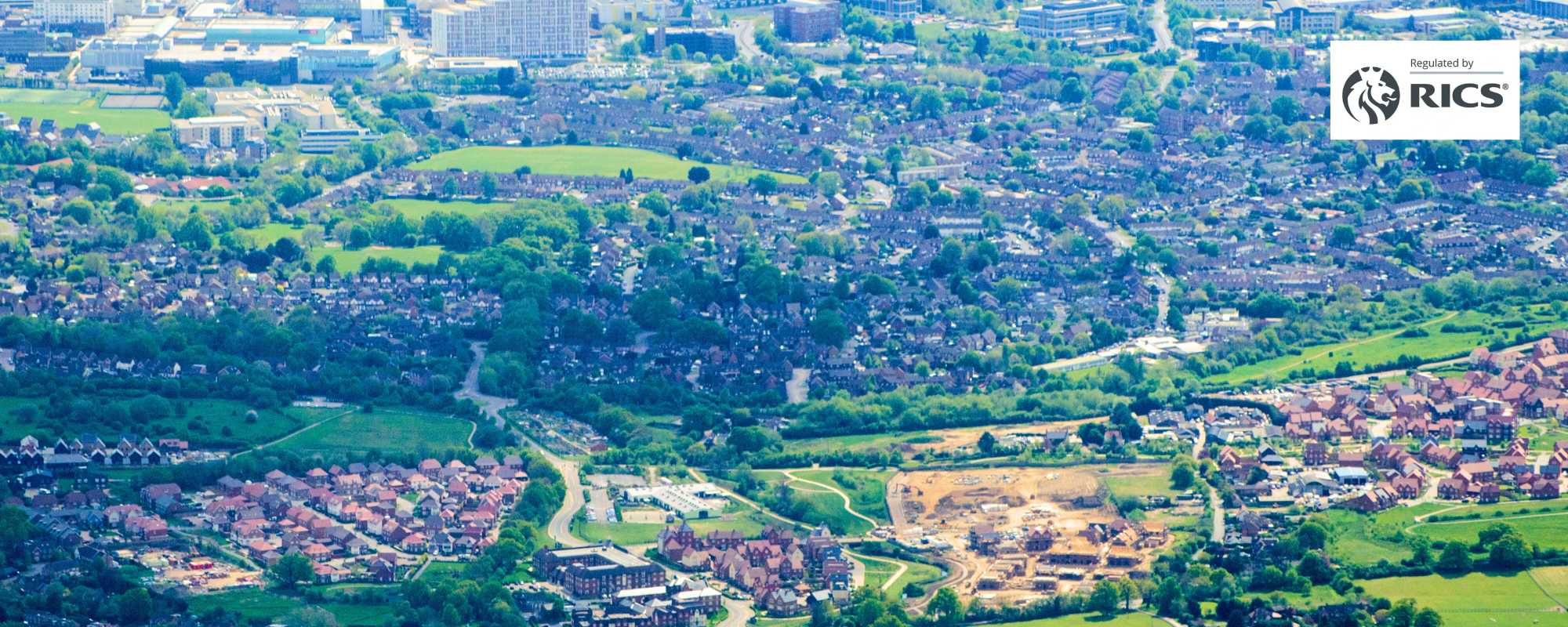
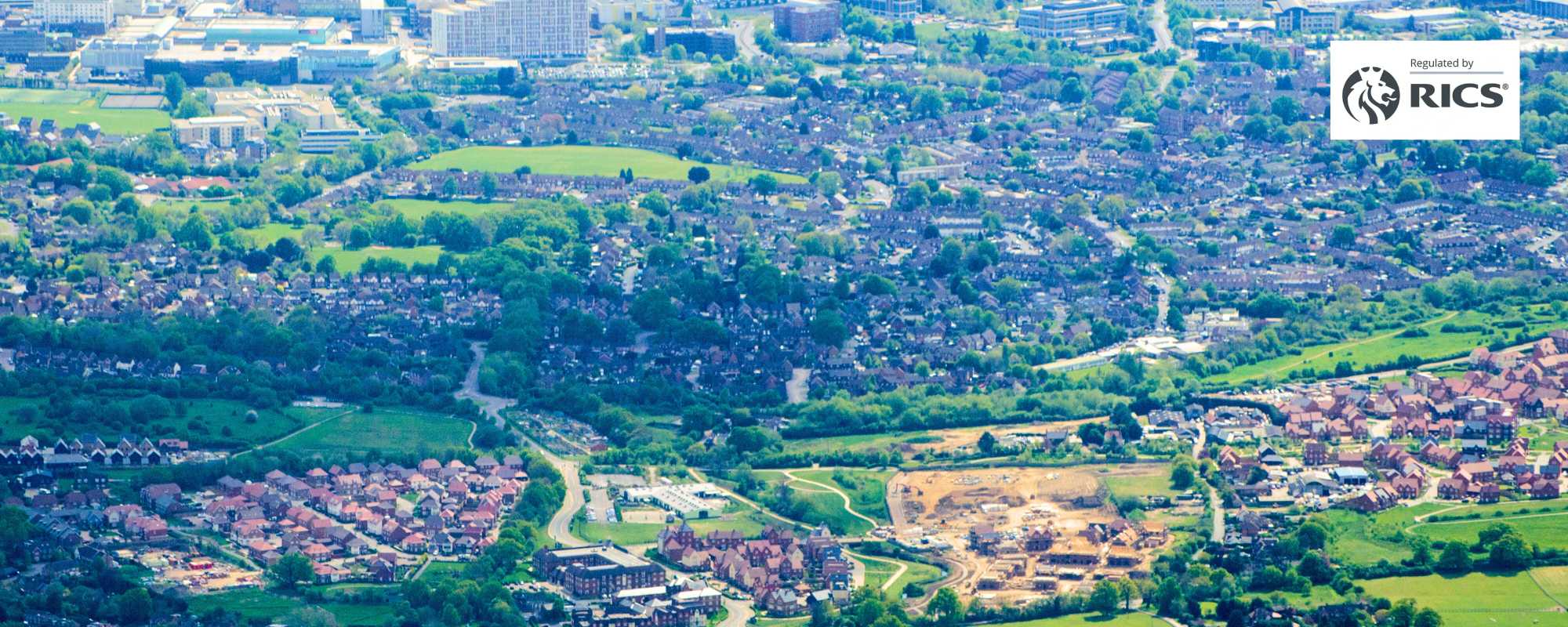
Bracknell is a growing town in Berkshire that offers a mix of modern developments, established residential areas and access to green spaces. It appeals to families, commuters and first-time buyers looking for a practical location with good transport links and a wide choice of property types. This section covers key factors for anyone considering buying a home in Bracknell.
Architectural Features of Properties
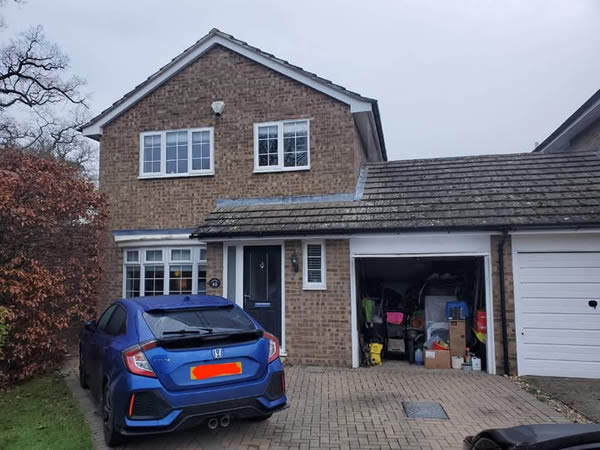
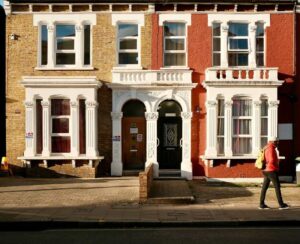
Bracknell’s housing stock is dominated by post-war developments, with a large number of homes built during the town’s expansion in the 1950s and 1960s. Many properties from this era are semi-detached or terraced houses featuring traditional brick construction and tiled roofs. More recently, areas such as Jennett’s Park and The Parks have added modern homes and apartments designed with energy efficiency in mind.
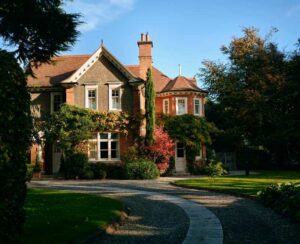
South Hill Park, a Grade II listed building, reflects Bracknell’s historic character. Although much of the town is modern, historic buildings like South Hill Park illustrate the importance of conservation in some parts of the borough, which can affect planning permission and renovation projects.
Red brick and concrete block are commonly used materials. Properties built with these materials tend to be durable, although surveyors often find maintenance issues such as weathering of mortar joints and the need for roof tile repairs. Older houses may show signs of solid wall dampness, particularly if maintenance has been neglected.
Survey findings in Bracknell often highlight damp problems in homes near low-lying areas and older estates. Some parts of Easthampstead and Priestwood have reported occasional damp issues, usually linked to ageing construction methods. Subsidence risks are generally low but isolated cases have been monitored in areas with clay-rich soil. Roofing defects such as slipped tiles or worn coverings are common in properties built between 1950 and 1980. Energy efficiency is generally good in newer developments but can be lower in older houses, particularly where cavity wall insulation is missing or ineffective.
Local Amenities and Notable Places
Bracknell has a strong selection of amenities. Schools such as Ranelagh School and Garth Hill College are well regarded locally. The Lexicon shopping centre provides extensive retail and dining options and has helped revitalise the town centre.
South Hill Park Arts Centre and the surrounding parkland offer cultural activities and outdoor space, with theatre performances, concerts and art exhibitions. Lily Hill Park and Swinley Forest provide walking, cycling and family activities close to the town.
Flood and Radon Risks
Flood risk in Bracknell is generally low, although some properties near the Cut river and in lower-lying parts of Easthampstead may be more vulnerable to surface water flooding during heavy rainfall. A flood risk report is recommended when purchasing in these areas.
Radon levels across Bracknell are typically low. However, a radon check may still be advisable for properties with basements or those located towards the edges of the borough where natural radon levels can vary slightly.
Traffic Congestion and Issues
Traffic congestion can build up around the town centre, particularly near The Lexicon and along the A329 during peak times. The Twin Bridges roundabout is another known hotspot for traffic delays. Bracknell railway station provides direct services to London Waterloo and Reading, making commuting practical for residents.
Conservation Areas
Bracknell does not have as many conservation areas as older towns, but parts of the surrounding villages, such as Warfield and Binfield, have designated conservation areas where stricter planning controls apply. Buyers considering properties in these areas should be aware of restrictions on extensions and alterations.
Safety and Crime Statistics
Bracknell is considered a generally safe town, although, like any urban centre, some areas experience higher levels of antisocial behaviour and minor crime. Central areas near the station and shopping centre can be busier, while residential areas such as Warfield and Crown Wood report lower crime rates.
Home Survey Considerations
A Level 2 Homebuyer Survey is suitable for many of Bracknell’s properties, particularly post-war and modern homes. For older properties or those needing renovation, a Level 3 Building Survey may be more appropriate. Common issues highlighted in surveys include roofing defects, minor dampness and wear to structural elements such as lintels and sills.
Properties located in conservation areas or built near listed structures may require specialist survey advice to account for historic building techniques and planning considerations.
Local Building Materials and Their Implications
Homes in Bracknell often feature red brickwork, concrete tiles and uPVC windows. Maintenance typically involves regular inspections for mortar joint deterioration, roof tile movement and weathering of external cladding. While these materials are generally durable, repairs may be needed over time, particularly for properties built during the town’s earlier expansion phases.
Comparison with Nearby Areas
Compared to Reading, Bracknell offers a quieter environment with newer infrastructure, while providing good transport links and modern facilities. When compared to Ascot or Wokingham, Bracknell generally offers more affordable housing and a larger choice of recently built properties, although with fewer period homes and traditional conservation areas.
Top places to live in Bracknell?
Bracknell offers a wide range of residential areas to suit different lifestyles and budgets. Here are ten popular places to consider when looking to buy a home in the town.
1. Warfield
Warfield is a sought-after area on the outskirts of Bracknell, offering family homes in a semi-rural setting. It has good schools, green spaces and easy access to town centre facilities.
2. Binfield
Binfield combines village charm with good transport links. It offers a mix of period cottages, modern developments and community facilities, making it attractive to families and professionals alike.
3. Jennett’s Park
Jennett’s Park is a modern development located to the south of Bracknell. It features a range of family homes, a local primary school and a country park, providing good amenities for growing families.
4. The Parks
The Parks is a newer development close to Bracknell town centre. It offers contemporary housing within easy reach of shops, leisure facilities and the railway station.
5. Crown Wood
Crown Wood is a well-established residential area to the south of the town. It offers a range of homes, good local schools and easy access to Swinley Forest for outdoor activities.
6. Great Hollands
Great Hollands offers a mix of affordable family homes and access to green spaces. The area benefits from local shopping centres, schools and proximity to the A329 and M4.
7. Harmans Water
Harmans Water is located close to Bracknell town centre and offers a mix of 1950s housing and newer builds. It provides good access to shops, parks and local amenities.
8. Priestwood
Priestwood offers a range of post-war homes and is popular with buyers looking for larger plots and established residential surroundings. It is close to local parks and schools.
9. Easthampstead
Easthampstead offers a combination of older housing stock and new development. The area has convenient access to town centre services and several green spaces nearby.
10. Wildridings
Wildridings provides affordable homes close to the town centre. It benefits from proximity to The Lexicon shopping centre, schools and leisure facilities, making it a practical option for first-time buyers and families.