What’s It Like to Live in Cwmbran?
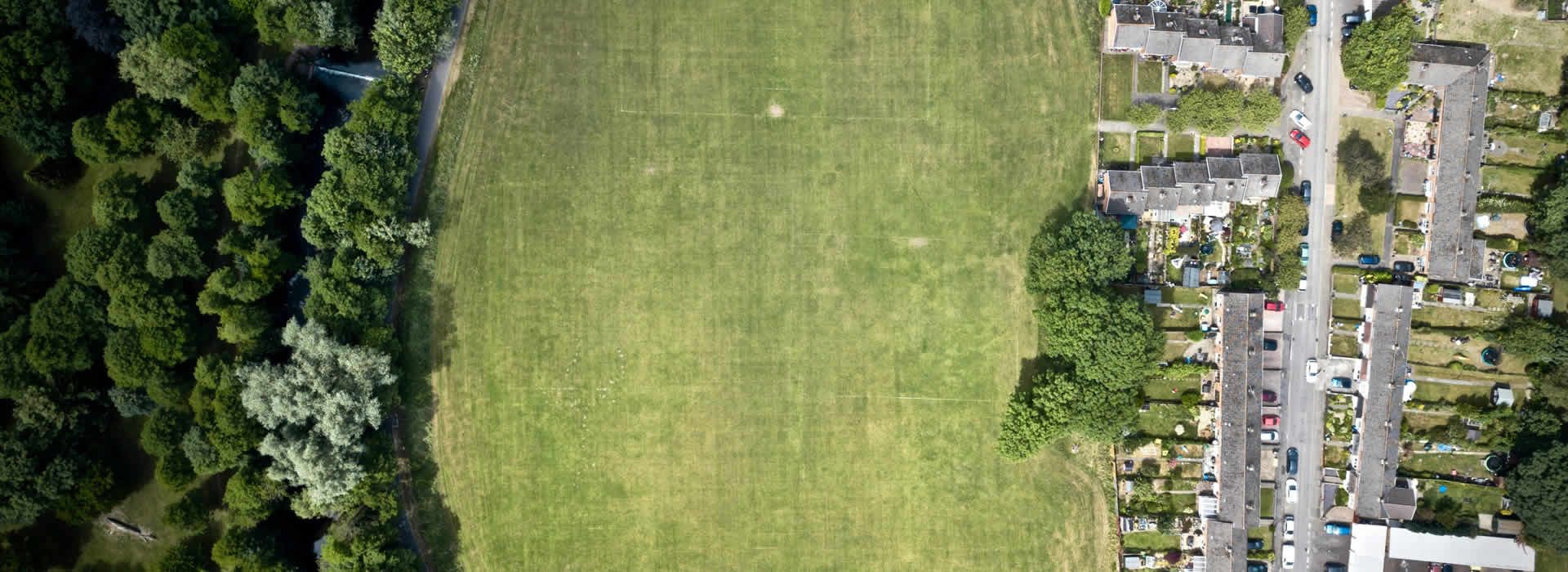
Cwmbran is a post-war new town in South Wales, developed from the late 1940s to provide modern housing and employment opportunities. Its mix of residential areas, green spaces and a large shopping centre gives it a distinctive layout, and the variety in property age and construction means survey needs can differ widely across the town.
Cwmbran Living – Property and Lifestyle Overview
Architectural Features of Properties
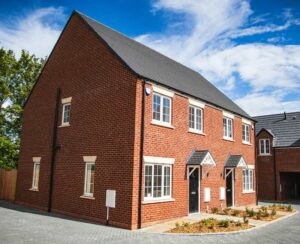
The majority of housing in Cwmbran was built from the 1950s onwards, with large estates of brick-built semis, detached houses and bungalows. Later developments in the 1980s and 1990s brought smaller private estates, and recent years have seen infill developments and conversions of older farmhouses in surrounding villages.
Historical buildings and their features
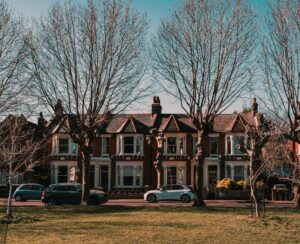
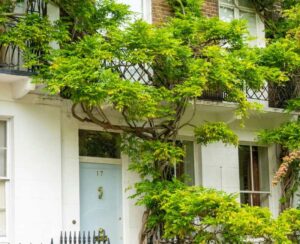
Although best known as a new town, Cwmbran incorporates older settlements such as Llantarnam and Croesyceiliog, where period cottages and Victorian terraces can be found. These properties often feature stone or early brickwork, traditional slate roofs and timber joinery.
Common materials
Post-war homes are typically constructed with brick cavity walls and tiled roofs. Some early estates included concrete system-built houses, which may require specific survey attention due to potential structural and insulation issues.
Survey findings specific to Cwmbran
- Roof condition Clay and concrete tiles on older post-war houses can show signs of wear, especially in exposed locations.
- Damp While cavity wall homes generally resist damp better than solid wall properties, blocked cavities or poorly maintained rainwater goods can still cause problems.
- Concrete construction Certain non-traditional builds, such as PRC houses, may have mortgage limitations unless repaired and certified.
- Extensions Many homes have been extended, and surveyors often check for building regulation compliance and structural integrity.
Local Amenities and Notable Places
Cwmbran Shopping Centre is one of the largest in Wales, offering retail, dining and leisure facilities. The town has multiple parks, schools, sports facilities and good healthcare provision, making it popular with families and commuters.
Flood and Radon Risks
Flood risks
Cwmbran is not a major flood hotspot, though some low-lying areas near streams can be affected by surface water flooding in heavy rain. A flood risk search is advisable for properties in these zones.
Radon levels
The town sits in a part of Wales with generally low to moderate radon potential. Testing can be carried out if required, especially for older properties or those with poor ventilation.
Traffic Congestion and Issues
Traffic congestion
Roads leading to Newport and the M4 can be busy during peak commuter times. Within the town, traffic is generally well managed due to the planned layout, but some junctions near the shopping centre can become congested.
Public transport
Cwmbran railway station provides services to Cardiff, Newport and North Wales. Local buses connect neighbourhoods and nearby towns.
Conservation Areas
Llantarnam contains a conservation area with historic stone buildings and a parish church. In these locations, planning controls may limit changes to windows, roofs or external finishes.
Safety and Crime Statistics
Cwmbran has an average crime rate for the region, with busier retail and nightlife areas recording more incidents than residential suburbs. Reviewing ward-level statistics gives a clearer view for a specific address.
Home Survey Considerations
A Level 2 survey is suitable for most conventional brick-built homes. Non-traditional construction, older stone cottages or heavily altered properties may require a Level 3 building survey. Surveyors in Cwmbran will typically pay attention to roof coverings, wall construction type, damp signs and any extensions or alterations.
Local Building Materials and Their Implications
Brick cavity wall construction performs well with good maintenance of pointing and rainwater systems. Concrete system builds require specialist knowledge, and surveyors may recommend structural assessments for certain types.
Comparison with Nearby Areas
Compared with Newport, Cwmbran offers more modern planned neighbourhoods and a quieter pace, while still being within commuting distance of Cardiff. Compared with smaller surrounding villages, it provides far greater shopping and leisure facilities.
Cwmbran Property Market Trends – 2026
Considering a move to Cwmbran? Here’s the latest snapshot of local house prices and trends.
Average Prices – Cwmbran March 2026
| Property Type |
Average Price |
Most Common |
| Terraced |
£175,358 |
Yes |
| Semi-detached |
£233,308 |
No |
| Detached |
£341,420 |
No |
Source: Rightmove 2026
The average sold price in Cwmbran over the last year was £250,029. Terraced properties made up the largest proportion of sales, followed by detached and semi-detached homes.
What’s Happening in the Area?
Recent factors shaping the Cwmbran market include:
- Shopping Hub: The town centre and Cwmbran Shopping attract residents from surrounding areas.
- Transport Links: Good access to Newport, Cardiff, and the M4 corridor.
- Housing Variety: Mix of post-war developments, newer estates, and modern apartments.
- Community Facilities: Schools, parks, and leisure centres contribute to its popularity with families.
For First-Time Buyers
Terraced properties remain the most affordable option in Cwmbran, with some opportunities for renovation and value growth.
In Summary
House prices in Cwmbran have fallen by 3% over the past year but remain in line with the 2022 peak of £229,640. A detailed home survey is advised to understand the condition of any property before committing to purchase.