What’s It Like to Live in Port Talbot?
Port Talbot is an industrial town in South Wales, well known for its steelworks and coastal location. It combines residential areas with a strong industrial presence, influencing both the housing stock and local survey considerations.
Port Talbot Living – Property and Lifestyle Overview
Architectural Features of Properties
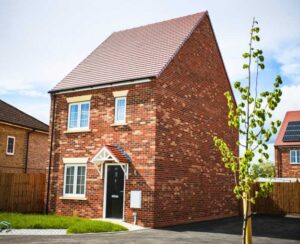
Housing in Port Talbot is varied, including Victorian terraces, post-war semi-detached houses, council estates, and newer developments. Proximity to industry and coastal exposure can influence property condition, especially in terms of external materials.
Historical buildings and their features
The town is home to early 20th century civic buildings and churches, with some listed properties scattered throughout the area. While Port Talbot is not dominated by heritage housing, certain pockets feature older stone-built homes that require specialist maintenance.
Local materials
Many older houses use brick and local stone, while post-war estates tend to be brick or rendered blockwork. Coastal exposure means regular inspection of mortar joints, render, and external paintwork is important.
Survey findings specific to Port Talbot
- Damp issues Properties near the coast may suffer from penetrating damp due to driving rain, especially older solid-wall homes without modern weatherproofing.
- Corrosion Coastal air can accelerate corrosion of metal components such as railings, window frames, and fixings.
- Subsidence and ground stability Some areas require checks against historic industrial land use and ground stability records.
- Roofing Slate and tile roofs should be checked for damage from high winds and salt air exposure.
Local Amenities and Notable Places
Port Talbot offers amenities such as Aberavon Beach, the Princess Royal Theatre, and easy access to the M4 motorway. Aberavon Seafront is a popular recreational area, although properties near the coast require specific survey attention due to weather exposure.
Flood and Radon Risks
Flood risks
Some low-lying coastal and riverside areas are susceptible to tidal or surface water flooding. Buyers should check Natural Resources Wales flood maps.
Radon levels
Radon risk in Port Talbot is generally low, but testing is advisable for certain older properties, especially those with basements.
Traffic Congestion and Issues
Traffic congestion
The M4 corridor through Port Talbot can be congested at peak times, and certain local roads can experience delays due to industrial traffic.
Public transport
The town has a railway station on the South Wales Main Line with direct services to Swansea, Cardiff, and London, plus regular bus services linking nearby towns.
Conservation Areas
Port Talbot has limited conservation coverage compared to heritage towns, but some historic streets and listed buildings are protected, meaning certain works will require planning consent.
Safety and Crime Statistics
Crime levels vary across neighbourhoods, with busier commercial areas and nightlife zones generally seeing higher reported incidents. Residential suburbs often have lower crime rates.
Home Survey Considerations
Coastal exposure makes it important to check for salt damage, corrosion, and damp. Older terraces and solid-wall properties benefit from a Level 3 building survey, while well-maintained modern homes may only require a Level 2 survey.
Local Building Materials and Their Implications
Brick, stone, and rendered blockwork are the main construction types. Render can crack under weather stress and should be repaired promptly to avoid water ingress. Roof coverings should be inspected for coastal weather damage.
Comparison with Nearby Areas
Compared with Neath, Port Talbot offers coastal living but with more industrial influence. Properties near the beach provide sea views but come with higher exposure risks, while inland homes may have fewer maintenance issues from salt air.
Port Talbot Property Market Trends – 2026
Looking to buy in Port Talbot? Here’s the latest market snapshot with local pricing details.
Average Prices – Port Talbot 2026
| Property Type |
Average Price |
Most Common |
| Terraced |
£133,983 |
No |
| Semi-detached |
£162,336 |
Yes |
| Detached |
£266,000 |
No |
Source: Rightmove 2026
The average sold price in Port Talbot over the last year was £187,440. Semi-detached homes accounted for the largest share of sales, with terraced and detached properties also seeing steady demand.
Local Market Factors
Notable influences on the Port Talbot property market include:
- Transport Links: Good access to the M4 and rail services to Swansea and Cardiff.
- Employment Base: Proximity to industrial hubs, including the steelworks.
- Seafront Appeal: Coastal location offering leisure opportunities.
- Investment Potential: Competitive prices compared to many South Wales towns.
For First-Time Buyers
Semi-detached and terraced properties provide relatively affordable entry points. A pre-purchase survey can help confirm the condition before committing.
In Summary
Prices in Port Talbot have remained stable over the last year and are now 1% higher than the 2022 peak of £163,947. The market remains accessible, with options across a range of budgets.