What It’s Like to Live in Cardiff: A Comprehensive Guide for Prospective Home Buyers
Cardiff, the capital of Wales, offers a compelling blend of history, culture and modern living. This guide provides prospective homebuyers with essential information to navigate the Cardiff property market, including insights from residents themselves.
Geography and Housing
Cardiff is situated on the south coast of Wales where the River Taff meets the Severn Estuary. This coastal location significantly influences the city’s geography and housing options. The city centre and surrounding areas like Cardiff Bay are predominantly flat featuring a mix of modern apartments, Victorian terraces and contemporary developments. As you move further from the centre towards areas such as Cyncoed, Radyr and Lisvane, the landscape becomes hillier and the housing stock shifts towards larger detached and semi-detached properties with gardens.
The varied geography of Cardiff provides a range of housing options to suit different needs and preferences. Those seeking a city-centre lifestyle with easy access to amenities might prefer apartments or townhouses in areas like the city centre or Cardiff Bay. Families seeking more space and a quieter environment often opt for the suburbs where larger properties and green spaces are more common. Understanding the interplay between Cardiff’s geography and its housing options is crucial for homebuyers to make informed decisions.
Exploring the Unique Character of Cardiff
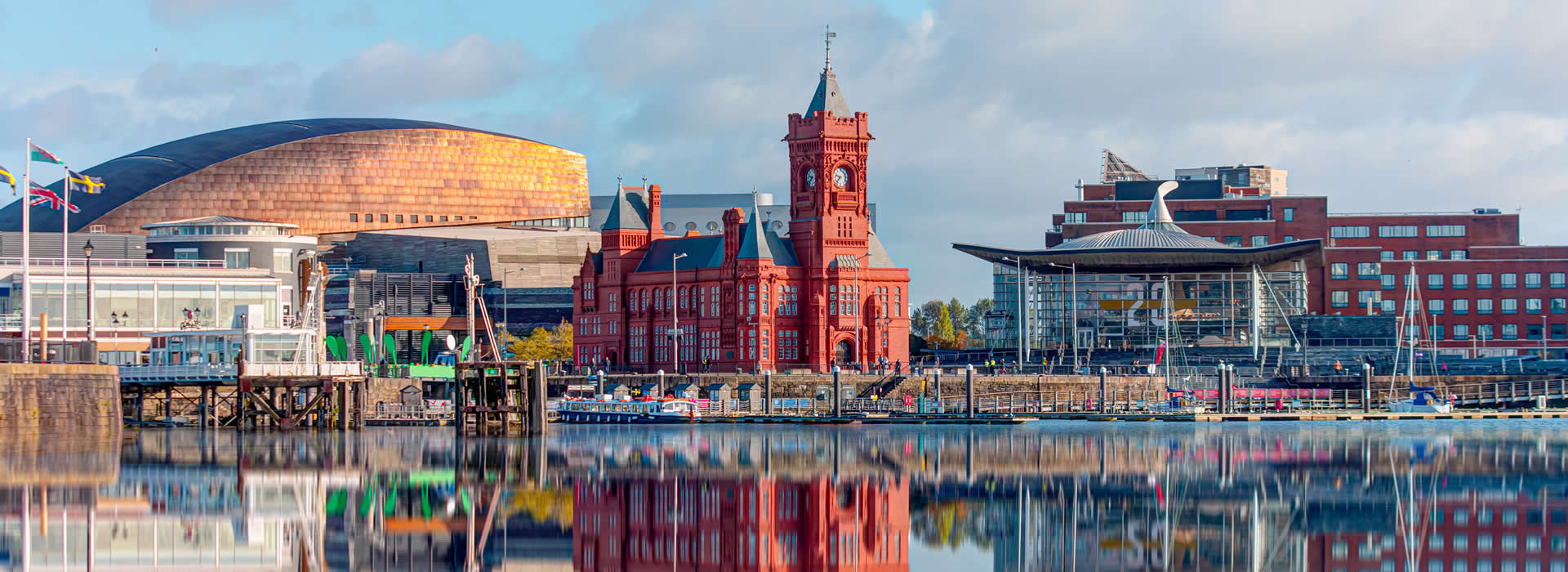
Cardiff has a rich history dating back to Roman times, evident in landmarks like Cardiff Castle and the historic arcades. These covered Victorian and Edwardian shopping arcades, such as the Royal Arcade and Castle Arcade, house independent shops, boutiques and cafes offering a unique shopping experience. The city’s industrial past is reflected in the Cardiff Bay area which has undergone significant regeneration transforming former docklands into a modern waterfront development with attractions like the Wales Millennium Centre and the Senedd.
Cardiff is also a city of green spaces. Bute Park, one of the largest urban parks in the UK, provides a tranquil escape from city life. The city also benefits from its proximity to the coast with easy access to beaches like Barry Island and the Glamorgan Heritage Coast. These natural assets contribute to Cardiff’s appeal offering residents opportunities for recreation and leisure. As one resident put it, “Cardiff is a solid city with the potential to be great. The countryside and the coast are a short drive away and Cardiff has some great green spaces.”
Neighbourhoods and Amenities
Cardiff offers a variety of neighbourhoods each with its own distinct character. The city centre is a hub of activity with shops, restaurants and cultural attractions. Cardiff Bay, with its waterfront location and modern developments, provides a more cosmopolitan atmosphere. Suburbs like Penylan and Roath offer a quieter pace of life with a strong community feel, while areas like Cyncoed and Lisvane are known for their larger properties and green spaces.
Local amenities are plentiful throughout Cardiff. The city centre has major shopping centres like St David’s Dewi Sant and the Queen’s Arcade, while local markets like Riverside Market offer fresh produce and artisan goods. Cardiff is also well-served by healthcare facilities with major hospitals like the University Hospital of Wales providing comprehensive services. Residents appreciate the “great nightlife and plenty of restaurants” as well as a thriving food and drink scene and a “really strongly maturing tech theme.”
Architectural Traits and Building Materials
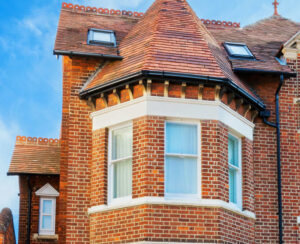
Cardiff’s architecture reflects its history and development. Victorian and Edwardian terraces are prevalent in areas like Roath and Cathays, often constructed using traditional brick and slate. The city centre features a mix of architectural styles from grand Victorian buildings like the City Hall to modern structures like the Millennium Centre.
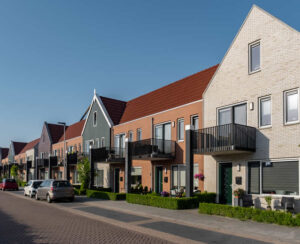
In the suburbs, you’ll find a range of housing styles including 1930s semis, post-war developments and contemporary builds. Understanding the common building materials used in Cardiff is essential for homeowners. Traditional materials like brick and slate are generally durable but may require maintenance. Modern properties may incorporate materials like concrete, timber frame and render, each with its own characteristics and potential maintenance needs. A building survey can help identify any specific issues related to the property’s construction and materials. The competitive housing market is “improving the quality of housing significantly and some previously socially deprived areas are improving as a result.”
Flooding Risk and Radon Levels
Given its coastal location and the presence of the River Taff, certain areas of Cardiff are susceptible to flooding. Areas like Cardiff Bay and parts of Riverside have historically experienced flooding. Prospective buyers should consult resources like Natural Resources Wales (NRW) to assess the flood risk for specific properties. NRW provides flood maps and risk assessments to help inform property purchases.
Radon levels in Cardiff are generally low but there are some areas where higher concentrations have been recorded. Radon is a naturally occurring radioactive gas that can pose health risks. Prospective buyers can access radon maps and information from Public Health England to assess the radon potential of their chosen area. If necessary, radon mitigation measures can be implemented in properties.
Crime in Cardiff
While Cardiff generally feels safe and friendly, it’s important to be aware of the city’s crime statistics. Cardiff has a higher crime rate than the South Glamorgan average and ranks among the top 20 most dangerous locations in the region. In 2023, the overall crime rate in Cardiff was 118 crimes per 1,000 people, which is 20% higher than the South Glamorgan rate of 99 per 1,000.
It’s worth noting that residents generally feel safe in Cardiff and the city benefits from a walkable layout. However, it’s important to be aware of potential risks and take necessary precautions, especially in areas with higher crime rates.
Transportation and Connectivity
Cardiff benefits from excellent transport links. The M4 motorway provides easy access to the rest of Wales and England. Cardiff Central railway station is a major hub with direct services to London, Bristol and other major cities. The city also has a comprehensive bus network and a growing cycle network making it easy to get around. However, some residents have expressed concerns about the public transportation system, particularly the bus network, which has been described as “appalling.”
Cardiff Airport offers international and domestic flights providing convenient travel options. The city’s location on the Severn Estuary also makes it a gateway to ferry services to Ireland. The well-developed transport infrastructure contributes to Cardiff’s connectivity and accessibility making it an attractive location for commuters and businesses. Despite this, some residents find that “it’s impossible to see the country without a car” due to limitations in the Welsh transport network.
Education and Family Life
Cardiff offers a wide range of educational options for families. The city is home to several well-regarded primary and secondary schools, including Cardiff High School and Whitchurch High School. Cardiff University and Cardiff Metropolitan University provide higher education opportunities attracting students from across the UK and internationally.
For families with young children, Cardiff offers numerous parks, playgrounds and family-friendly attractions. The National Museum Cardiff and Techniquest provide educational and entertaining experiences for all ages. The city also hosts various family-oriented events throughout the year fostering a community atmosphere. Residents appreciate the abundance of parks and the friendly atmosphere.
Comparison with Nearby Areas
Compared to nearby towns like Penarth and Barry, Cardiff offers a wider range of amenities, employment opportunities and cultural attractions. While these towns provide a more relaxed coastal lifestyle, Cardiff’s city centre and economy make it a compelling option for those seeking an urban environment.
This guide provides a starting point for your property search in Cardiff. Remember to conduct thorough research, consider your individual needs and seek professional advice to make informed decisions.
House Hunting in Cardiff : Discovering the Best Places to Live
Choosing the Right Area in Cardiff
Choosing the ideal location to settle down in Cardiff depends heavily on your lifestyle, priorities and future plans. Here’s a breakdown of some of the most popular areas, considering factors that are important to homebuyers:
For Families
Cyncoed
- Pros: Excellent schools (Cardiff High School is highly regarded), abundant green spaces (close to Roath Park), quiet and safe environment, large detached and semi-detached properties, strong community feel.
- Cons: Can be expensive, limited nightlife and entertainment options, may require a car for convenient access to the city centre.
Lisvane
- Pros: Similar to Cyncoed, with a more rural feel, surrounded by countryside, excellent schools, very low crime rates, strong sense of community.
- Cons: Even more expensive than Cyncoed, very limited local amenities, heavily reliant on car travel.
Radyr
- Pros: Good schools, Radyr Comprehensive School is well-regarded, good access to green spaces and the Taff Trail, village atmosphere with local shops and amenities, train station with direct links to the city centre.
- Cons: Property prices are high, can be quieter than other areas, limited nightlife.
Whitchurch
- Pros: Mix of property types, including period properties and new builds, good local amenities, including shops, restaurants and pubs, Whitchurch Common provides a large green space, good transport links to the city centre.
- Cons: Can be busy due to its high street, some areas experience traffic congestion.
For Young Professionals
City Centre
- Pros: Heart of the action, walking distance to shops, restaurants, bars and cultural attractions, excellent transport links, wide range of apartments and modern developments.
- Cons: Can be noisy and expensive, limited green space, parking can be difficult and costly.
Cardiff Bay
- Pros: Modern waterfront development, stylish apartments and townhouses, good selection of restaurants and bars, close to the Wales Millennium Centre and other cultural venues.
- Cons: Can feel isolated from the rest of the city, limited local amenities, property prices can be high.
Pontcanna
- Pros: Trendy and upmarket area, independent shops, cafes and restaurants, close to Bute Park, good transport links, period properties and modern developments.
- Cons: One of the most expensive areas in Cardiff, parking can be challenging.
For Those Seeking a Balance
Penylan
- Pros: Strong community spirit, independent shops and cafes on Wellfield Road, good schools, close to Roath Park, period properties and family homes.
- Cons: Can be competitive to find properties, parking can be an issue.
Roath
- Pros: Diverse and multicultural, wide range of housing options, from Victorian terraces to modern flats, excellent local amenities on Albany Road and City Road, close to Roath Park and the city centre.
- Cons: Can be busy and noisy in some parts, parking can be difficult, some streets have high student populations.
Canton
- Pros: Up-and-coming area, more affordable than Pontcanna or Penylan, good mix of independent shops, cafes and pubs, close to Chapter Arts Centre, good transport links.
- Cons: Can be a bit rough around the edges in some parts, limited green space compared to other areas.