What’s It Like to Live in Stratford-upon-Avon?
Stratford-upon-Avon is a town rich in history with a distinctive architectural character and unique local conditions home buyers need to understand. This article focuses on property-survey-relevant specifics to help you make an informed decision.
Stratford-upon-Avon Living – Property and Lifestyle Overview
Architectural Features of Properties
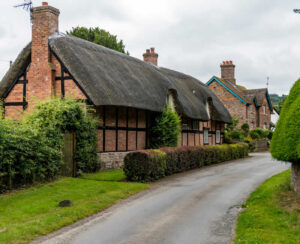
The town is known for its timber-framed Elizabethan buildings along the Historic Spine, including the Falcon Hotel and Guild buildings reflecting centuries of heritage. Preservation status means planning consent is often required for alterations, particularly in the town centre and conservation areas.
Many older houses are built using local materials such as timber framing with infill and local limestone or sandstone. These materials are porous, prone to staining, and require careful maintenance, especially in damp conditions.
Survey Findings Specific to Stratford-upon-Avon:
- Damp issues: Stratford-upon-Avon lies beside the River Avon and has recorded historical flooding events. Areas close to the river (e.g. Waterside, Bridgefoot, parts of Shipston Road and Warwick Road) can be more exposed to flood risk and damp. A property-specific flood search is recommended.
- Subsidence risks: Ground conditions vary; your surveyor will check for signs of historic movement and advise if further investigation is appropriate.
- Roofing concerns: Many period homes feature old tiled or lead roofs. These often require regular inspection to avoid leaks or damage due to age and exposure.
- Energy efficiency: Older properties with traditional timber frames, single glazing and solid walls tend to perform poorly by modern standards, so insulation and heating efficiency should be carefully assessed during survey.
Local Amenities and Notable Places
Local Amenities:
- King Edward VI Grammar School: A well-regarded selective school with a long history; likely to appeal to families seeking strong secondary education options.
- River and Riverside Areas: Bancroft Gardens and the River Avon provide scenic outdoor space and recreational opportunities such as rowing and boating.
Notable Places:
- The Historic Spine, inclusive of Shakespeare’s Birthplace, Guild Chapel, Falcon Hotel and Holy Trinity Church, is a central hub for both tourism and community life
Flood and Radon Risks
Flood Risks: Stratford-upon-Avon lies beside the River Avon and has recorded historical flooding events. Flood warnings frequently affect areas such as Warwick Road, Waterside, Bridgefoot, Shipston Road and surroundings.
Radon Risks: Some parts of the wider region may have elevated radon potential. A simple home test is the only way to confirm levels for a specific property.
Traffic Congestion and Issues
Peak-time congestion is common on approaches to the town centre (e.g. Birmingham Road). Road maintenance, including potholes and drainage, has also been raised as an issue.
Public Transport: Stratford is well connected by road via the M40 and A46 and benefits from two railway stations with services to Birmingham and some direct trains to London Marylebone. Bus services link to nearby towns including Banbury, Coventry and Leamington.
Conservation Areas
Central areas, including parts of the Historic Spine, fall within conservation designations. Always check with the local planning authority before altering exteriors or historic fabric.
Home Survey Considerations
A detailed survey is essential, particularly in Stratford due to the prevalence of period properties near flood-prone areas. It should include assessment of moisture, structural timber framing and flood resilience measures.
Historic properties may demand specialist conservation expertise. Traditional materials and construction methods require careful evaluation to avoid damaging heritage features during renovation.
Local Building Materials and Their Implications
Timber framing, local stone (like limestone or sandstone) and traditional roofing materials require ongoing maintenance to address porosity, moisture ingress and wear. Buyers should budget for periodic upkeep of heritage-style windows, mortar joints and stonework.
Comparison with Nearby Areas
Compared to neighbouring villages such as Wellesbourne or Shottery, Stratford-upon-Avon offers stronger access to schools, rail and cultural amenities. However, proximity to the town centre brings more traffic and potentially higher flood and maintenance concerns than more rural settlements.
Stratford-upon-Avon Property Market Trends – 2026
Looking to buy in Stratford-upon-Avon? Here’s an accurate overview of the latest prices and key updates from the area.
Average Prices – Stratford-upon-Avon 2026
| Property Type |
Average Price |
Most Common |
| Terraced |
£320,000 |
No |
| Semi-detached |
£380,000 |
No |
| Detached |
£600,000 |
Yes |
Source: Rightmove, 2026
The average sold price in Stratford-upon-Avon over the last year was around £433,333. Detached properties were the most common sales, with semi-detached homes also in demand. Flat sales were less frequent but remain an entry point to the market.
What’s Happening in the Area?
Recent and ongoing activity influencing the local market includes:
- Riverside and Town Centre Developments: Residential schemes enhancing access to the River Avon and surrounding amenities.
- Housing in Outlying Villages: New-build homes in nearby locations such as Tiddington and Shottery providing more choice for buyers.
- Transport Links: Continued improvements to road and rail connections to Birmingham, Warwick and London Marylebone.
- Community and Leisure Investment: Upgrades to public spaces, cultural venues and recreational facilities.
For First-Time Buyers
Flats and smaller terraced homes in Stratford-upon-Avon and its outskirts offer a more affordable route onto the property ladder. Some new developments may include shared ownership or other schemes, subject to availability and criteria.
In Summary
While prices have seen a 3% decrease over the last year and are 6% below the 2022 peak of £435,811, Stratford-upon-Avon continues to attract buyers for its mix of historic character and strong transport links. A professional home survey is recommended to identify any hidden issues before committing to a purchase.