What It’s Like to Live in Abingdon
Located in Oxfordshire, Abingdon is a market town that offers a blend of period properties, modern developments and well-established infrastructure. For homebuyers, it presents a range of residential options supported by good amenities and transport connections. This article provides an overview of key considerations for those thinking of moving to Abingdon, with a focus on property types, survey concerns and local conditions relevant to buyers.
Architectural Features of Properties
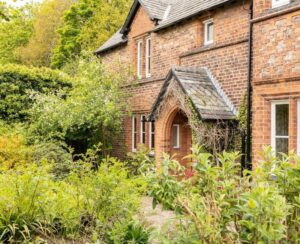
Abingdon has a rich architectural history, reflected in its wide variety of properties. These range from historic homes with traditional brickwork to more recent housing developments offering modern layouts.
Historical Buildings and Their Features: Abingdon County Hall Museum is a prominent example of local heritage. This Baroque-style building illustrates the town’s architectural roots and highlights the importance of preservation. Listed buildings in the area are subject to planning restrictions, which can limit alterations and affect renovation plans for buyers.
Local Stone: Many older properties in Abingdon were built using local limestone. This material is porous and can be prone to staining and weathering. Homeowners should be prepared for regular maintenance to manage moss growth, discolouration and surface degradation.
Survey Findings Specific to Abingdon
- Damp Issues: Properties near the River Thames, especially those along Wilsham Road, are more susceptible to rising damp due to high ground moisture and older construction methods.
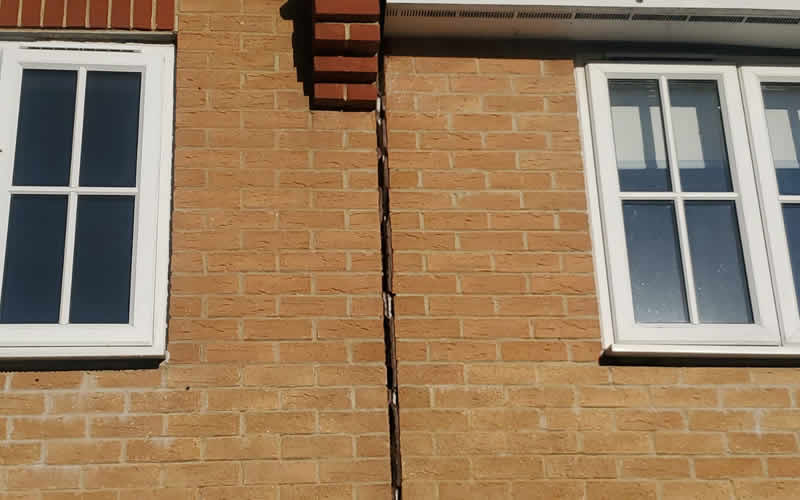
- Subsidence Risks: Areas built on former clay ground, such as near Caldecott Road, have seen past reports of minor subsidence due to soil shrinkage.
- Roofing Concerns: Older homes in the town centre often have clay tile roofs, which can suffer from slipped tiles and weather damage, particularly after winter.
- Energy Efficiency: Period properties with single glazing and solid brick walls typically have lower energy efficiency and may require upgrades to meet modern standards.
Local Amenities and Notable Places
Local Amenities: Abingdon School is a well-known independent school with a strong academic reputation, attracting families from across the county. The town also benefits from modern leisure centres, a hospital and regular markets in the town square.
Notable Places: Abbey Gardens and the historic Abingdon Bridge are central to the town’s identity. These areas offer walking paths, green spaces and venues for local events, adding to the appeal for families and retirees alike.
Flood and Radon Risks
Flood Risks: Properties close to the River Thames, such as those on Swift Ditch and parts of East St Helen Street, have been affected by seasonal flooding in the past. Buyers should check flood risk assessments before proceeding.
Radon Risks: Radon levels in Abingdon are generally considered low, but as with any older town, it is advisable to carry out a radon test, especially in period properties with basements or cellars.
Traffic Congestion and Issues
Traffic Congestion: Traffic tends to build up around Vineyard and Stratton Way during morning and evening peak times. These areas are key routes into the town centre and often experience delays.
Public Transport: Abingdon is well connected via regular bus services to Oxford, Didcot and surrounding towns. The nearest rail station is at Radley, offering direct trains to Oxford and London Paddington.
Conservation Areas
The Albert Park area and the historic town centre are designated conservation zones. These areas are protected to preserve architectural and historical character, which can affect development rights and require consent for certain types of work.
Future Projects
Planned road improvements around the Lodge Hill interchange may ease congestion in the north of the town but could lead to short-term disruption during construction phases.
Safety and Crime Statistics
Abingdon is generally considered a safe town, with lower crime rates than nearby urban centres. However, the town centre has seen occasional increases in reported antisocial behaviour, particularly near Stert Street during the weekends.
Home Survey Considerations
Survey Recommendations: A full RICS Level 2 Homebuyer Survey is advised for most standard properties, while older or listed buildings may require a more detailed Level 3 Building Survey. Typical concerns found during surveys in Abingdon include damp, roof wear and uneven flooring in older homes.
Unique Survey Challenges: Historic properties in Abingdon often involve specific challenges such as hidden timber decay, outdated electrical systems, or previous unapproved alterations. These factors can influence long-term maintenance costs and insurance eligibility.
Local Building Materials and Their Implications
Abingdon’s older buildings often feature soft red brick or limestone. These materials, while durable, require careful maintenance. Bricks may be prone to spalling in cold weather and limestone can suffer erosion over time, particularly on exposed elevations.
Comparison with Nearby Areas
Compared to nearby towns such as Didcot and Wantage, Abingdon offers a more traditional town centre, a wider range of period homes and better access to Oxford. While Didcot may appeal to commuters due to its direct rail connections, Abingdon is often preferred by buyers seeking a blend of historical character and strong community facilities.
Best Places to Live in Abingdon
- Albert Park and Park Crescent: A conservation area with Victorian and Edwardian homes surrounding a central green space. Close to the town centre and popular with families due to its access to well-regarded schools.
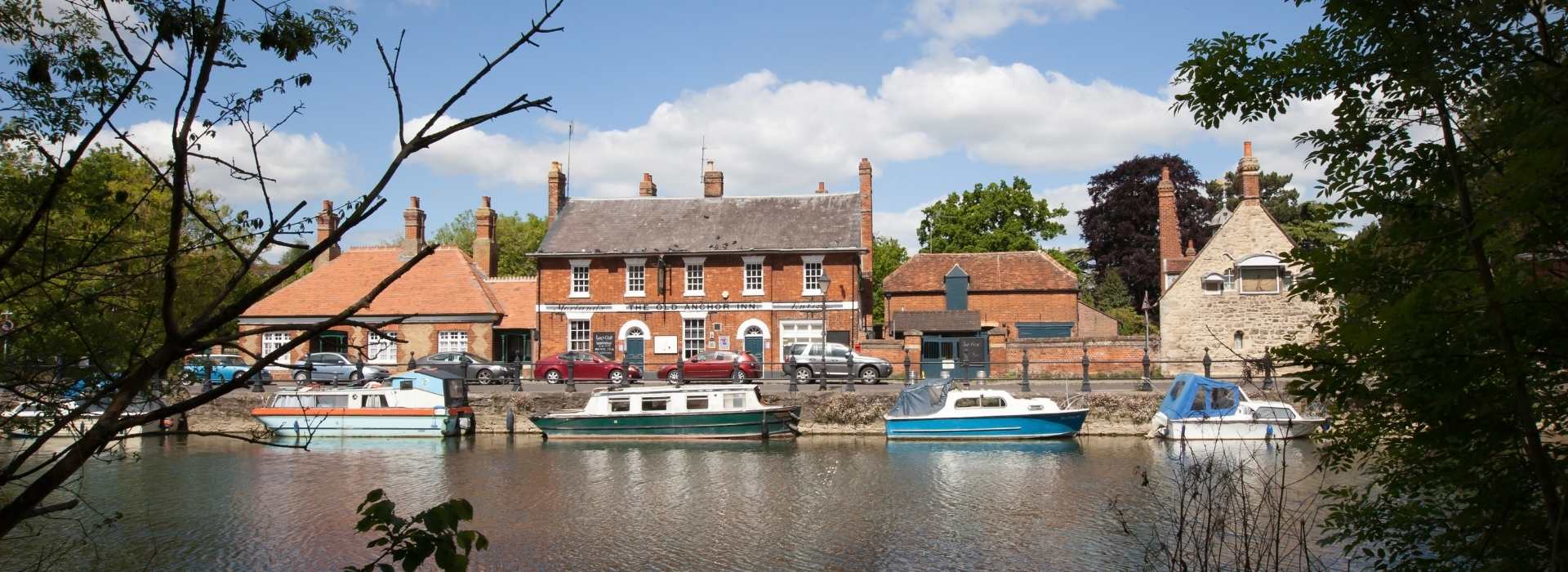
- St. Helen’s Wharf and East St. Helen Street: Historic riverside properties with scenic views and period features. This area offers heritage appeal and a peaceful setting near the River Thames.
- North Abingdon (Dunmore Road area): A well-established residential neighbourhood with a mix of housing styles and good access to schools, shops and transport links.
- South Abingdon (Caldecott area): Offers a community-focused environment and a variety of property types, within walking distance of the town centre.
- Radley: A nearby village with a train station offering direct services to Oxford and London. Ideal for commuters seeking a quieter lifestyle.
- Wootton: Located to the northwest, Wootton provides a village setting with local amenities and schools, suitable for families looking for space and tranquillity.
- Kennington: Between Abingdon and Oxford, Kennington offers suburban living with straightforward access to both towns by road or public transport.
- Shippon: A small village west of Abingdon with traditional properties and a rural feel, yet close enough for easy access to town services.
- Sutton Courtenay: South of Abingdon, known for its character homes and historical connections, with a mix of cottages and larger family houses.
- Marcham: To the west of the town, Marcham has a strong village community, local amenities and a good range of housing, attracting families and retirees alike.
Each of these areas offers different advantages depending on lifestyle, commuting needs and property preferences. For homebuyers, they represent some of the most desirable locations in and around Abingdon.