What’s It Like to Live in Worthing?
Located on the West Sussex coast, Worthing offers a mix of seaside living and historical character. For home buyers, it presents a varied property market that includes everything from Regency townhouses to post-war bungalows. While the town has grown steadily, many of its older buildings remain, and this brings both charm and challenges for anyone considering a property purchase here. This article explores the local housing stock, known survey issues, and factors worth noting when buying a home in Worthing.
Worthing Living – Property and Lifestyle Overview
Architectural Features of Properties
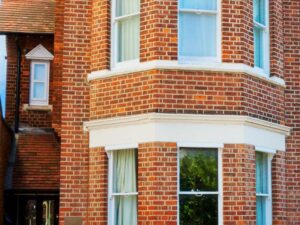
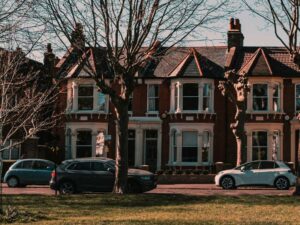
Worthing’s housing is diverse, with a strong presence of Edwardian and Victorian homes near the town centre and seafront. Many of these have decorative brickwork, bay windows, and slate roofs. Post-war and modern developments can be found further inland, especially towards West Worthing and Salvington.
Historical Buildings and Their Features: Beach House: Built in 1820, Beach House is one of the town’s oldest buildings and reflects Regency architecture with stucco facades and symmetrical windows. Properties near this area are often subject to stricter planning rules to preserve the historic setting.
Local Stone: Flint is a common feature in older walls and boundary features in Worthing. Flint is visually distinctive but can be brittle and difficult to repair. Properties incorporating flint may require more specialist maintenance to avoid moisture ingress or stone loss.
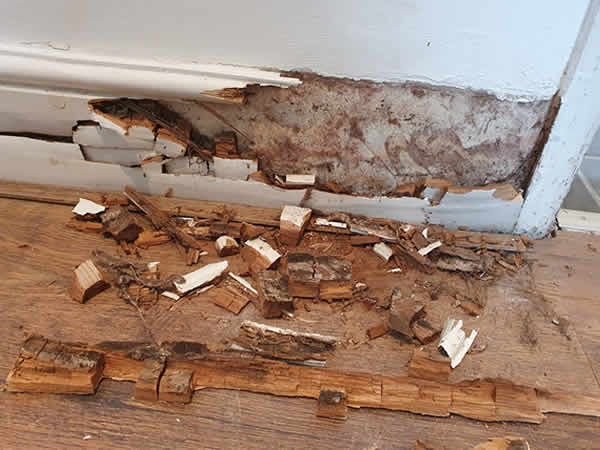
Survey Findings Specific to Worthing:Damp Issues: Properties near the seafront, such as those on Brighton Road and Marine Parade, can be exposed to salt air and wind-driven rain. This can lead to penetrating damp, especially in homes with older render or poor ventilation.
Subsidence Risks: Some areas in West Worthing, particularly near Tarring and Broadwater, have clay-rich soil which can lead to seasonal movement. A full building survey is advised in these zones to check for historical movement or foundation concerns.
Roofing Concerns: Many older properties have pitched slate roofs that may have missing tiles or worn flashings. These should be checked for water tightness and general condition.
Energy Efficiency: Period homes in Worthing, especially those with sash windows and solid walls, often have low EPC ratings unless modern insulation has been installed. Buyers should factor in potential upgrade costs if seeking to improve energy performance.
Local Amenities and Notable Places
Local Amenities: Davison High School: This well-established girls’ school is known for strong academic results and a supportive learning environment. Its catchment area is a key consideration for families moving to the area.
South Downs National Park: Located just north of the town, the park offers walking, cycling, and panoramic views. Its proximity adds appeal for buyers seeking outdoor recreation without sacrificing access to town facilities.
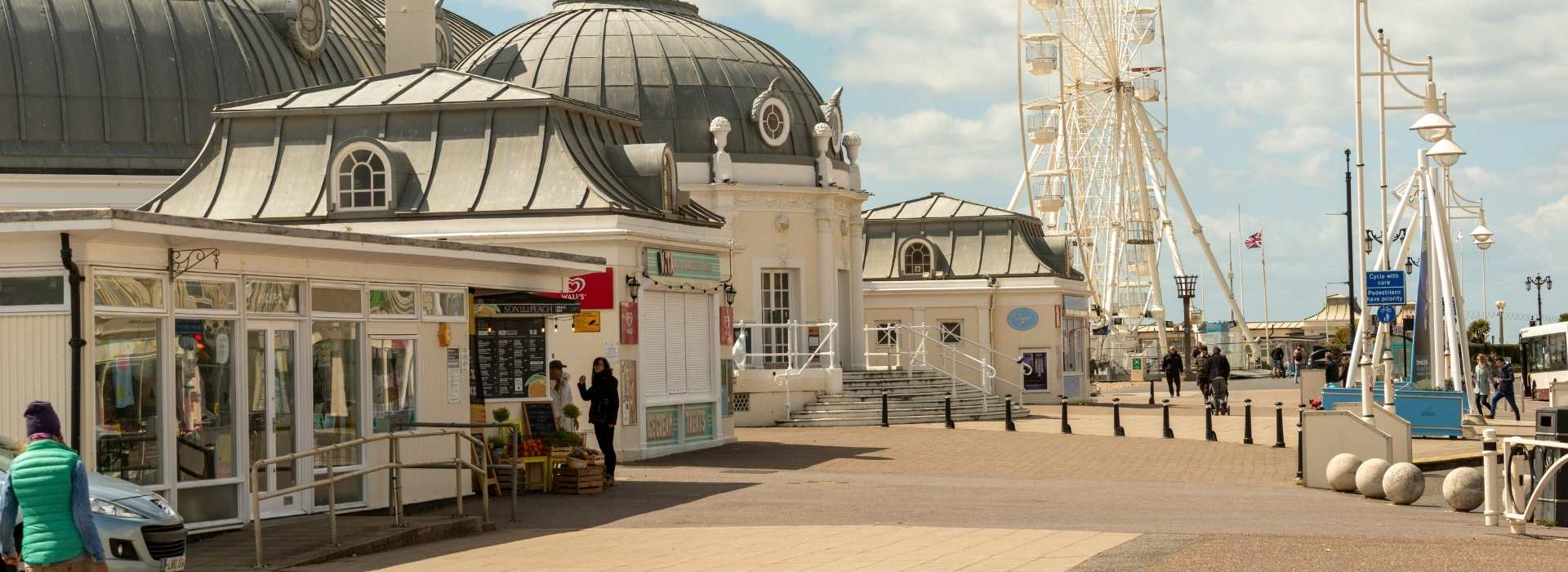
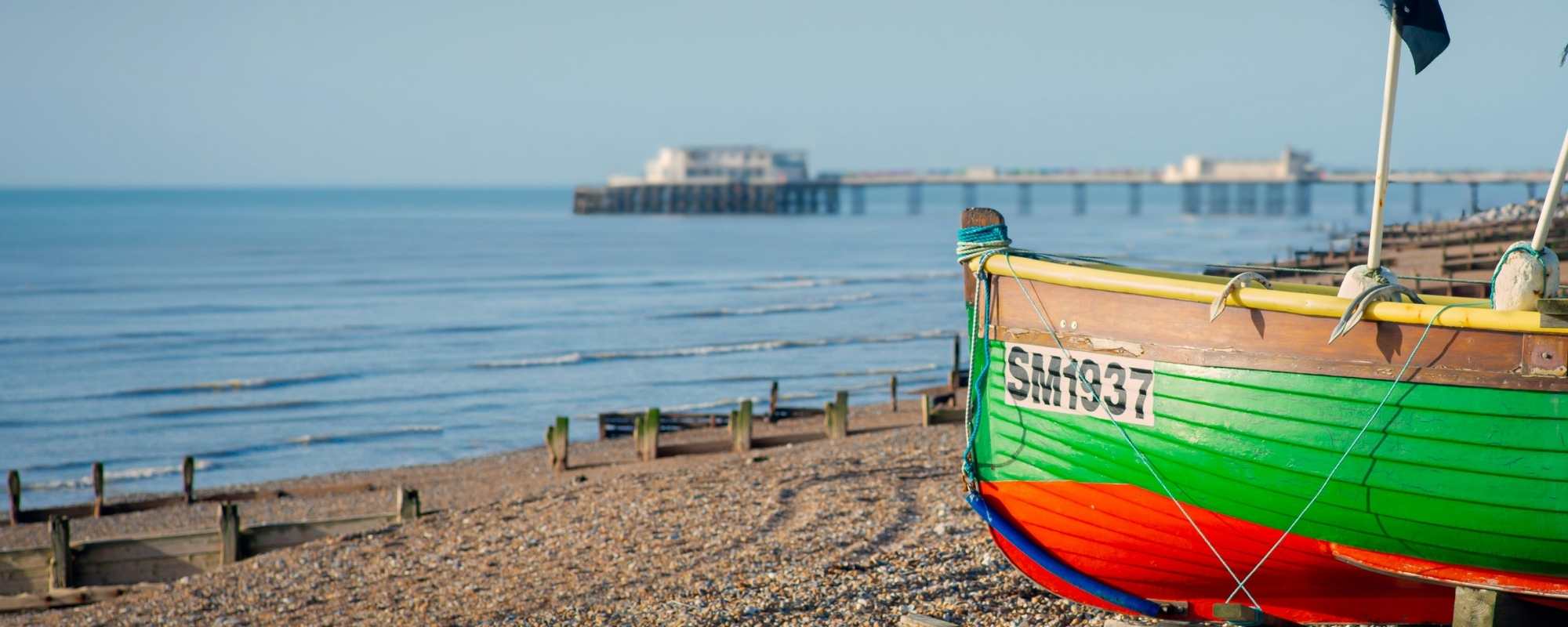
Notable Places: Worthing Pier: A focal point of the seafront, Worthing Pier hosts events and provides a popular walking spot. It reflects the town’s traditional seaside appeal and is a conservation priority.
Flood and Radon Risks
Flood Risks: Parts of Worthing near Brooklands Park and the Teville Stream have historically experienced localised surface water flooding during heavy rainfall. These are not considered high-risk flood zones but drainage checks are recommended during surveys.
Radon Risks: Radon levels in Worthing are generally low. However, older properties with cellars or poor ventilation should still be tested as a precaution during the purchase process.
Traffic Congestion and Issues
Traffic Congestion: The A27 and A259 routes around Worthing are prone to congestion during peak hours. Lyons Farm and Grove Lodge roundabout are two areas where delays are common, particularly at school run times and on weekends.
Public Transport: Worthing has strong rail links via Worthing Station, with services to Brighton, London Victoria, and Portsmouth. Bus routes are frequent and cover the surrounding suburbs and coastal towns.
Conservation Areas
Conservation Areas: The Worthing Town Centre Conservation Area includes Warwick Street, Chapel Road and adjacent lanes. Properties in this area are subject to restrictions on exterior changes, including window replacements and façade alterations, to preserve architectural interest.
Future Projects: The Teville Gate redevelopment project is expected to bring new residential and commercial space to the town. While still in the planning phase, it may affect traffic and local services during construction.
Safety and Crime Statistics
Crime Rates: According to the latest Police.uk statistics, Worthing has a moderate crime rate compared to nearby coastal towns. Theft and anti-social behaviour have been higher in the town centre and West Worthing areas. Residential zones such as Goring-by-Sea and Findon Valley report lower crime rates overall.
Home Survey Considerations
Survey Recommendations: A Level 2 Homebuyer Report is suitable for many post-war and modern homes in Worthing. For older or altered properties, especially those in conservation areas or with visible signs of movement or damp, a Level 3 Building Survey is advised.
Unique Survey Challenges: Surveyors often encounter older plumbing systems, lath and plaster walls, and dated electrics in Worthing’s Victorian and Edwardian homes. Coastal exposure may also affect external finishes and window frames.
Local Building Materials and Their Implications
Building Materials: Red brick and flint are common in traditional Worthing properties. While brickwork is generally robust, older pointing and render may require attention. Where flint is used, it should be repointed with lime mortar, not cement, to avoid long-term damage.
Comparison with Nearby Areas
Local Comparisons: Compared to nearby Shoreham-by-Sea, Worthing offers a broader range of property styles and slightly more affordable options. It is also quieter than Brighton but retains strong transport links and access to the South Downs. This makes it attractive to families and retirees alike.
Worthing Property Market Trends – 2026
Looking to buy in Worthing? Here’s an accurate overview of the latest prices and key updates from the area.
Average Prices – Worthing (March 2026)
| Property Type |
Average Price |
Most Common |
| Terraced |
£370,000 |
Yes |
| Semi-detached |
£420,000 |
No |
| Detached |
£550,000 |
No |
Source: Rightmove, 2026
The average sold price in Worthing is currently around £446,667. Flats made up the majority of sales over the past year, followed by semi-detached and detached properties.
What’s Happening in the Area?
Worthing continues to see residential expansion and infrastructure updates:
- Teville Gate Development: A major regeneration scheme with mixed-use housing, commercial space and public amenities.
- Grafton Multi-Storey Site: Redevelopment plans include new homes, leisure facilities and a public square.
- Transport Improvements: Upgrades around Worthing Station and A27 corridor continue to improve commuter routes.
- Seafront Enhancements: Ongoing improvements along Marine Parade and surrounding areas to improve pedestrian access and outdoor space.
For First-Time Buyers
Flats in Broadwater, West Worthing and near the town centre offer some of the most affordable routes onto the property ladder. Shared ownership properties are occasionally available through local housing associations, particularly on newer developments to the north and east of town.
In Summary
Worthing remains an appealing option for coastal buyers seeking strong rail links to Brighton and London. Whether you’re buying a flat in a converted Victorian terrace or a family home near the Downs, a home survey can help identify any underlying issues before you commit to purchase.