What’s It Like to Live in Kendal?
Kendal is a historic market town in Cumbria nestled beside the River Kent and surrounded by hills. For home buyers its heritage gritstone and limestone buildings and riverine position influence survey priorities and maintenance strategy.
Kendal Living – Property and Lifestyle Overview
Architectural Features of Properties
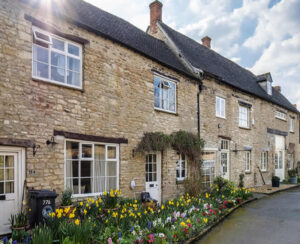
Properties include medieval cores such as Castle Howe and Kendal Castle ruins on drumlins, Georgian villas and stone terraces in the town centre, and twentieth century estates on the fringes.
Historical buildings and their features: The Church of Holy Trinity and St George is a Grade II* listed limestone Gothic Revival building with a slate roof dating from 1837 designed by George Webster. Similarly St Thomas’s Church on Stricklandgate is a Grade II listed stone and slate building by the same architect. Kendal Castle is a medieval ruin that reflects the town’s long settlement history.
Local stone: Buildings are often constructed of grey limestone or local gritstone. These materials are durable but require lime-based pointing and careful cleaning to avoid weather staining.
Survey findings specific to Kendal:
- Damp issues River Kent proximity and narrow valley streets can expose stone buildings to rising damp or penetrating damp, especially after heavy rainfall.
- Subsidence risks River valley geology and made ground in development areas may give rise to settlement movement. Evidence of cracking or uneven floors should lead to a Level 3 building survey.
- Roofing concerns Slate roofs are common and durable but may suffer slipped tiles, ridge mortar decay or slipped flashings. Upfront roof inspection is prudent.
- Energy efficiency Older stone buildings commonly have solid walls and single glazing and perform less well thermally. Consider ventilation upgrades, roof insulation and sympathetic secondary glazing.
Local Amenities and Notable Places
Kendal offers Kendal Museum and Abbot Hall Art Gallery with extensive cultural offerings, the Brewery Arts Centre for theatre and festivals, and the Quaker’s Friends’ Meeting House housing the Quaker Tapestry.
Flood and Radon Risks
Flood risks: Kendal lies in the River Kent floodplain. Major events such as Storm Desmond in December 2015 caused widespread flooding. A multi-million pound flood risk management scheme is underway that includes walls, natural flood management and pumping infrastructure to protect nearly 2 000 homes.
Radon levels: Kendal is not known as a high-radon area, but street-level variation exists. A simple radon test is a sensible precaution for older or lower ground properties.
Traffic Congestion and Issues
Traffic congestion: Kendal experiences seasonal traffic along the A591 and A6, particularly during festival months or tourist peak periods.
Public transport: Kendal station on the Windermere branch connects to Oxenholme and Lancaster with onward main line access. Bus services reach nearby towns, and Kendal is bypassed by the A591, linking the town to the M6 motorway.
Conservation Areas
Kendal’s town centre and certain hillside historic quarters are conservation areas. Properties within these zones face restrictions on external work and material choices and require planning approval for alterations.
Safety and Crime Statistics
In 2025 Kendal recorded an overall crime rate of 48 crimes per 1 000 people, which is slightly below the Cumbria average and makes Kendal one of the safest medium-sized towns in the county. Violence and sexual offences are the most frequently recorded crimes.
Home Survey Considerations
A Level 2 survey may suit modern homes in good condition but older stone or listed houses and riverside properties warrant a Level 3 building survey. Kendal surveyors typically focus on moisture in solid walls, pointing condition, roof tile stability, subfloor ventilation and flood-related damp.
Local Building Materials and Their Implications
Grey limestone and gritstone require breathable lime mortar and routine repointing. Slate roofs are long lasting but need inspection of battens, pointing and flashings to guard against seepage.
Comparison with Nearby Areas
Compared with nearby Windermere or Ambleside, Kendal offers greater property variety and better transport links but lies lower in a flood-prone river valley. Hillside villages may be less exposed to flooding but may lack Kendal’s cultural and railway access.
Kendal Property Market Trends – 2026
Looking to buy in Kendal? Here’s an accurate overview of the latest prices and key updates from the area.
Average Prices – Kendal 2026
| Property Type |
Average Price |
Most Common |
| Terraced |
£205,000 |
No |
| Semi-detached |
£260,000 |
Yes |
| Detached |
£380,000 |
No |
Source: Rightmove, 2026
The average sold price in Kendal over the last year was around £281,667. Semi-detached homes were the most common sales, with terraced and detached properties also in demand.
What’s Happening in the Area?
Current factors influencing Kendal’s property market include:
- Town Centre Improvements: Investment in retail, leisure, and public realm projects to enhance the local economy.
- Housing Developments: New residential schemes in areas such as Oxenholme and Burneside providing a mix of family homes and starter properties.
- Transport Links: Rail connections to Windermere, Oxenholme, and Lancaster alongside access to the M6 motorway.
- Community Facilities: Upgrades to schools, healthcare facilities, and recreational amenities.
For First-Time Buyers
Terraced houses in Kendal often represent the most affordable entry point into the market. Some new developments may also offer shared ownership or government-backed schemes, depending on eligibility and availability.
In Summary
House prices in Kendal have remained stable over the last year and are now 8% above the 2022 peak of £270,00. A professional home survey is recommended to ensure there are no hidden issues before completing a purchase.