What’s it like living in Worcester?
Worcester, located on the banks of the River Severn, is a bustling city, more vibrant than its neighbour Hereford, yet quieter and more relaxed than Birmingham.
Architectural Heritage and Home Surveys
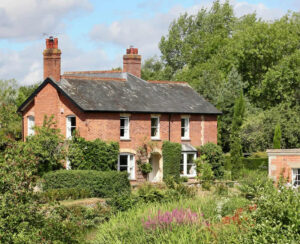
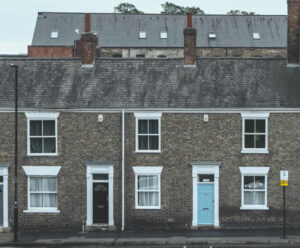
Worcester’s architectural landscape is a delightful mix of periods, from medieval timber-framed buildings to elegant Georgian townhouses and Victorian terraces. Notably, the city boasts a wealth of black and white timber-framed houses, a hallmark of the region. However, this unique feature necessitates a thorough home survey, particularly for older properties, to ensure structural integrity and identify any potential issues related to timber decay or subsidence.
When considering a property in Worcester, pay attention to the specific type of stone used in its construction. Locally sourced sandstone, often used in older buildings, can be susceptible to weathering, requiring periodic maintenance. A comprehensive survey will assess the condition of the stonework and highlight any necessary repairs.
Local Amenities
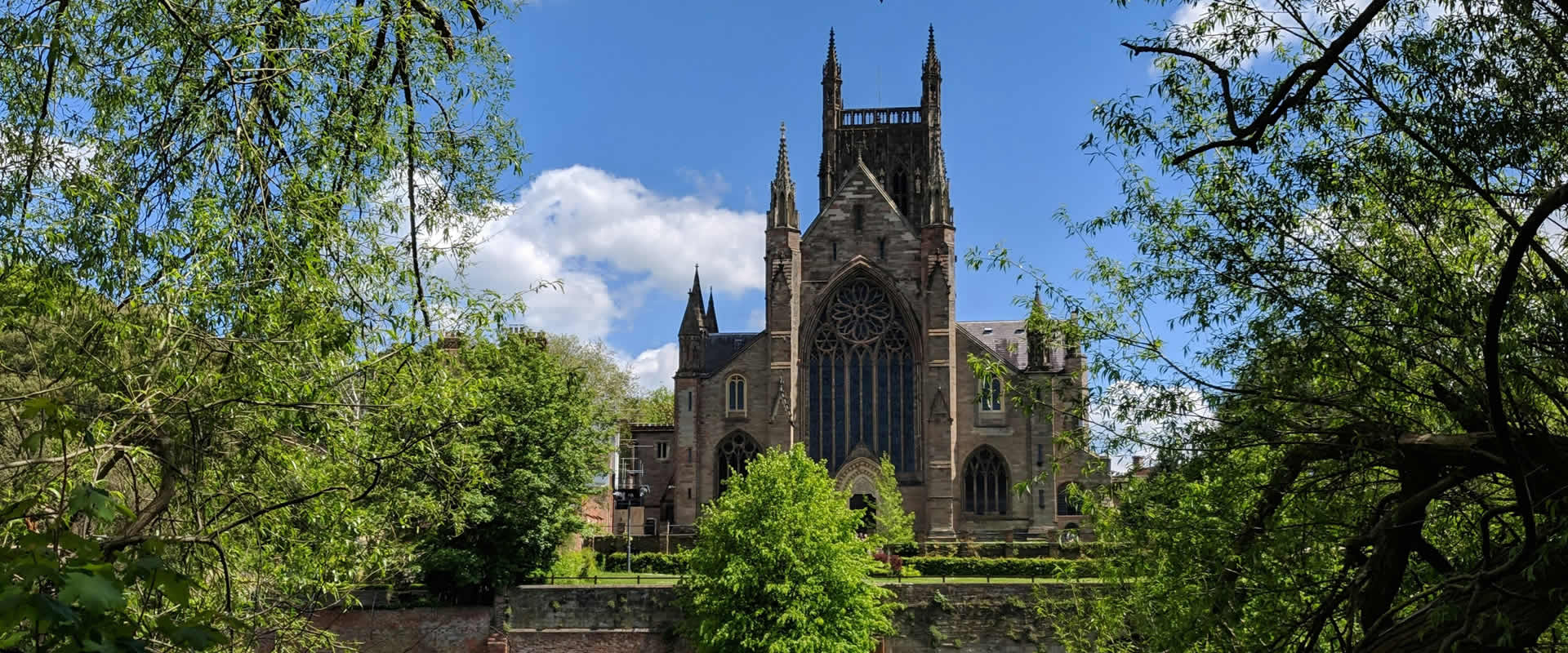
Worcester offers a vibrant city centre with a wide range of shops, restaurants and cultural attractions. The historic Worcester Cathedral, a masterpiece of Norman architecture, dominates the skyline and hosts numerous events throughout the year. For those seeking retail therapy, the Crowngate Shopping Centre offers a variety of high street brands and independent boutiques.
Beyond the city centre, you’ll discover a network of streets and hidden corners. Friar Street, lined with Tudor buildings, is a haven for antique enthusiasts, while New Street has a variety of independent shops and cafes. The Commandery, a Grade I listed building with a fascinating history dating back to the Civil War, is well worth a visit.
For nature lovers, Worcester Woods Country Park offers a tranquil escape with woodland trails, a lake and a nature reserve. The riverside offers picturesque walks and opportunities for boating and kayaking. However, walking options within the city centre can be limited, with the main choices being around the racecourse or along the river.
Safety and Crime
While Worcester has been recognised as one of the best places to live in the UK by The Telegraph in 2024, it’s important to be aware that crime rates are higher than the Worcestershire average. It is the most dangerous major town in Worcestershire and among the top 20 most dangerous overall out of Worcestershire’s 195 towns, villages and cities. The overall crime rate in Worcester in 2023 was 114 crimes per 1,000 people. Certain areas, such as Warndon, Tolladine, Ronkswood and Brickfields, are known to have higher crime rates than others.
Transport and Connectivity
Worcester is well-connected by rail, with regular services to Birmingham, Cheltenham and Bristol, all within a 40-minute train journey. The Malvern Hills, popular for hiking and outdoor activities, are just a short drive away. For a day trip to the seaside, Wales and Weston-super-Mare are approximately 1-1.5 hours away by car.
Flood Risks
Worcester’s location on the River Severn makes it prone to flooding. Parts of the city centre, including Pitchcroft, Hylton Road, Gheluvelt Park and the Worcestershire County Cricket Club, are at risk of being underwater by 2030 due to rising sea levels. Other areas, such as Diglis, Lower Wick, Bevere, Northwick and Hallow, also face potential flood risks. It’s crucial to research the flood risk of any property you’re considering and ensure that adequate flood defences are in place.
Radon Levels
Worcester, like many areas in the UK, has varying levels of radon gas, a naturally occurring radioactive substance that can pose a health risk if present in high concentrations. It’s advisable to have a radon test conducted on any property you’re considering to determine the radon levels. If necessary, radon mitigation measures can be installed to reduce the risk.
Traffic and Congestion
Like any city, Worcester experiences traffic congestion, particularly during peak hours. This has also contributed to elevated levels of nitrogen dioxide in certain areas. The Worcester City Council is working on an Air Quality Action Plan to address this issue, with measures including increasing electric vehicle charging points, improving cycling and walking infrastructure and discouraging heavy goods vehicles from the city centre.
Conservation Areas
Worcester has numerous conservation areas, where the character and appearance of buildings and streets are protected. If you’re considering a property within a conservation area, be aware that any alterations or renovations may be subject to stricter planning regulations to preserve the area’s historic integrity.
Future Developments and Infrastructure
Worcester is a city on the move, with several exciting developments and infrastructure projects in the pipeline. The Shrub Hill Quarter regeneration project aims to transform a derelict area into a vibrant mixed-use development with new homes, shops and offices. Improvements to the Foregate Street railway station and the creation of a new transport interchange are also underway.
Insider Tips
· Northwick: This suburb is popular with families, thanks to its excellent schools and green spaces. Properties here tend to be more spacious and come with larger gardens than those in the city centre.
· Barbourne: Known for its bustling high street and independent shops, Barbourne is a great choice for those seeking a vibrant atmosphere with easy access to local amenities.
· Diglis: Situated on the banks of the River Severn, Diglis offers a unique waterside lifestyle with stunning views and a range of modern apartments and converted industrial buildings.
· Claines: This village, located just outside Worcester, provides a peaceful and rural setting with easy access to the city centre via regular bus services.
Where’s the best place to live in Worcester?
For Families with Young Children
Northwick: Favoured for its excellent schools, spacious houses with gardens and proximity to Worcester Woods Country Park. This area offers a family-friendly environment with plenty of outdoor activities.
Barbourne: Offers a mix of housing options, good schools and a vibrant community atmosphere with plenty of local shops and amenities. Its proximity to the River Severn also provides beautiful walking routes and green spaces.
Claines: A village just outside Worcester, ideal for those seeking a quieter, more rural lifestyle while still being close to the city centre.
For Young Professionals and Couples
Diglis: A trendy waterside development with modern apartments and converted industrial buildings, offering stunning views and a vibrant atmosphere. This area is perfect for those who enjoy a lively social scene and easy access to the city centre.
City Centre: Perfect for those who want to be in the heart of the action, with easy access to shops, restaurants, bars and cultural attractions. The city centre is ideal for those who appreciate the convenience of urban living.
For a Quieter, Suburban Lifestyle
St Peter’s: This area offers a mix of housing styles, good schools and a more suburban feel than the city centre. It’s a peaceful area with ample green spaces and local amenities.
Warndon Villages: Located on the outskirts of Worcester, this development offers a range of housing options, good amenities and a sense of community. It’s well-suited for those looking for a quieter, more community-oriented lifestyle.
Other Areas to Explore
Lower Wick: Close to the river and offers a mix of housing types. Lower Wick is popular for its scenic river walks and proximity to the city.
Battenhall: A well-established residential area with a mix of properties. Battenhall is known for its elegant homes and leafy streets, providing a tranquil living environment.
Spetchley: A sought-after area with larger detached houses. Spetchley is ideal for those seeking a more luxurious lifestyle with the benefit of spacious properties and beautiful surroundings.