What’s It Like Living in Salisbury? Essential Information for Potential Homebuyers
Relocating to Salisbury: A Comprehensive Guide for Homebuyers
Salisbury is an attractive option for homebuyers seeking a mix of historic charm and modern living. Nestled in the heart of Wiltshire, this cathedral city offers a rich history, a strong sense of community and easy access to both rural and urban living. This article aims to provide essential information for those considering a move to Salisbury, covering everything from the local geography and housing market to neighbourhoods, amenities and transport links.
Geography and Housing
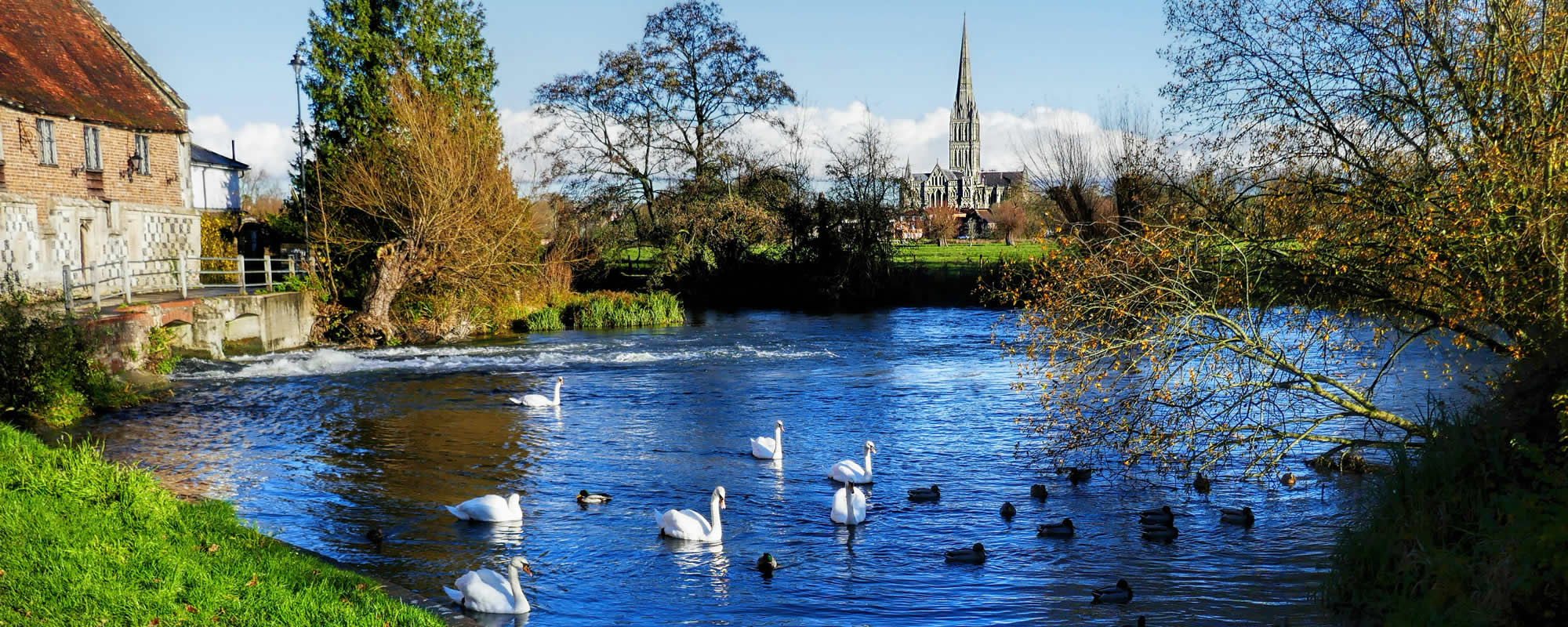
Salisbury’s geography plays a significant role in the type of housing available and the lifestyle on offer. Located in the picturesque county of Wiltshire, the city is surrounded by stunning countryside, including the nearby South Downs and the iconic Salisbury Plain. The city itself is positioned on the River Avon, offering scenic views and an environment ideal for outdoor activities.
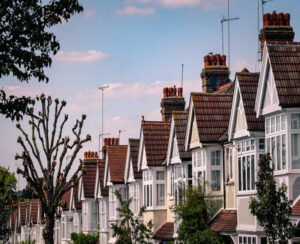
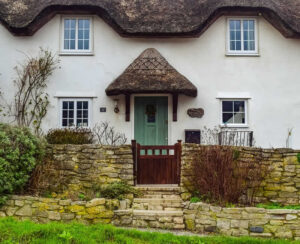
The housing market in Salisbury is diverse, with a mixture of historic buildings, contemporary properties and new developments. Many homes in the city centre reflect the area’s medieval roots, with terraced houses, Georgian townhouses and period cottages common throughout the area. On the outskirts, newer properties and suburban developments offer more modern housing options, ideal for those seeking larger homes with garden space.
When considering purchasing a property in Salisbury, the geography of the area will impact property prices and choices. Homes with views of the River Avon or those located close to the Cathedral are typically in high demand, while areas further out, such as Old Sarum or Laverstock, provide more affordable options while still offering easy access to the city centre.
It is important to note, however, that local residents often advise against living directly in Salisbury if you’re a frequent commuter, particularly if you drive. The A36 Southampton Road, a key route into and out of the city, is notorious for delays. Particularly on Friday afternoons, it can take over an hour to reach the city centre and congestion around the College Roundabout can add to this frustration. If there is any disruption or roadworks in the city centre, the roads can quickly become gridlocked. For those commuting by car, the surrounding villages to the south might offer a more manageable location. Additionally, parking around the city centre is limited, with on-street spaces often hard to find. While parking permits are available, some only apply to car parks, making parking a hassle in busy periods.
Unique Attributes of Salisbury
Salisbury is renowned for its rich history and stunning landmarks, including the world-famous Salisbury Cathedral. Home to the tallest spire in the UK, the Cathedral is an iconic feature of the city’s skyline, attracting both tourists and residents alike. The city’s medieval streets, lined with charming buildings and quaint shops, offer a glimpse into Salisbury’s past, while modern amenities ensure that residents enjoy a comfortable and convenient lifestyle.
One of the most significant historical features of Salisbury is the nearby Stonehenge, a UNESCO World Heritage site just a short drive away. The prehistoric monument draws visitors from across the globe and for those living in Salisbury, it offers an ongoing connection to the area’s ancient heritage.
In addition to its rich history, Salisbury is home to a thriving arts and culture scene. The Salisbury Arts Centre hosts exhibitions, performances and workshops, while the Salisbury Playhouse offers a variety of theatrical performances throughout the year. The city also hosts a number of local festivals, such as the Salisbury International Arts Festival, celebrating the area’s vibrant cultural life.
Neighbourhoods and Amenities
Salisbury offers a variety of neighbourhoods, each with its own character and appeal. For those seeking a central location, areas such as the Cathedral Close offer beautiful period properties, often in close proximity to local shops, cafes and restaurants. The city centre is home to a range of amenities, including high street stores, independent boutiques and a weekly market that has been a fixture for centuries.
For families, areas like Laverstock and Stratford-sub-Castle offer larger homes with gardens and a more suburban feel while still being within easy reach of the city centre. These areas benefit from excellent local schools and family-friendly parks, making them ideal for those looking to settle in Salisbury long-term.
Salisbury also boasts a wide range of leisure facilities, including the Salisbury Sports Centre and a variety of walking and cycling paths. The city’s proximity to the countryside makes it an excellent base for those who enjoy outdoor activities, from walking along the River Avon to exploring the nearby Salisbury Plain.
However, it’s worth considering that Salisbury is not immune to some issues typically faced by smaller cities. While there are many positive amenities, the city’s bus services, particularly local routes, have faced challenges. Salisbury Reds, the main bus operator, often experiences driver shortages and fleet maintenance issues, meaning delays and disruptions can occur. Buses are also prone to being stuck in congestion, especially in the city centre, so relying solely on public transport may not always be the most convenient option.
Architectural Traits and Building Materials
Salisbury’s architecture reflects its rich history, with many properties built from local stone, including the iconic Cotswold stone and flint. The city’s traditional housing often features slate roofs, sash windows and charming brickwork. This gives the area a timeless quality, appealing to those seeking character and heritage in their new home.
In recent years, modern housing developments have introduced more contemporary styles, such as new builds with energy-efficient materials and designs that meet modern environmental standards. These homes are typically built with brick and timber facades, offering a blend of traditional and modern elements to meet the needs of today’s homeowners.
For prospective buyers, understanding the architectural styles in Salisbury is essential, particularly when purchasing period properties. Older homes may require more maintenance, particularly in terms of roofing, foundations and insulation. It is important to consider whether the property has been updated to meet modern standards or if further work will be required.
Flooding Risk and Radon Levels
When purchasing a property in Salisbury, it is essential to consider the environmental risks, particularly regarding flooding and radon levels. The city’s position along the River Avon means that certain areas may be prone to flooding, especially during periods of heavy rainfall. Potential homebuyers should research flood risks in specific neighbourhoods and consider whether properties are located within flood zones.
In addition to flooding, radon levels in Salisbury can vary. Radon is a naturally occurring gas that can be harmful if levels are too high in enclosed spaces. It is advisable to have a survey carried out to assess radon levels, especially when buying older properties, as they may be more susceptible to higher concentrations.
Transportation and Connectivity
Salisbury is well-connected, offering a range of transport options for those looking to commute or travel further afield. The city has a mainline railway station with direct trains to London, taking just under two hours to reach the capital. Salisbury is also well-connected by road, with the A36 providing direct links to other major cities, including Bath and Southampton.
For those without a car, Salisbury offers a regular bus service connecting the city to neighbouring towns and villages. The city centre is compact, making it easy to get around on foot or by bike. However, as mentioned earlier, local buses can sometimes be unreliable due to service disruptions, which is something potential residents should consider when relying on public transport.
Education and Family Life
Salisbury is home to a range of excellent schools, both primary and secondary, making it an ideal location for families. Notable schools include the highly rated South Wilts Grammar School and Salisbury Cathedral School, offering top-tier education within easy reach of most residential areas.
The city also offers a range of family-friendly activities, including the Salisbury Museum, which provides educational exhibitions for children and the nearby Avon Valley Path, perfect for family walks. Salisbury’s strong sense of community, excellent schools and local amenities make it an appealing choice for those looking to raise a family.
Comparison with Nearby Areas
Compared to nearby towns such as Amesbury or Wilton, Salisbury offers a more centralised location with greater amenities and transport connections. While Amesbury offers proximity to Stonehenge and Wilton provides a more rural feel, Salisbury stands out with its cultural offerings, historic landmarks and wide range of housing options. Its accessibility to London and nearby cities also sets it apart from these neighbouring areas, making it a popular choice for commuters.
Salisbury offers a unique blend of history, modern amenities and a welcoming community, making it an attractive destination for homebuyers. With its mix of period properties and contemporary homes, strong educational options and excellent transport links, Salisbury provides an ideal setting for those looking to settle in an historic yet vibrant city.
Top 5 Places to Live in Salisbury
-
Harnham
Located just to the south of the city centre, Harnham offers a mix of traditional and modern housing. It’s a desirable area due to its proximity to the city centre, local amenities and green spaces, such as the Harnham Water Meadows. It also offers good transport links, with access to the A36 and nearby bus routes.
-
Wilton
Just a short drive from Salisbury, Wilton is known for its historical charm and scenic surroundings. With a range of properties, from cottages to larger homes, Wilton offers a quieter, village-like atmosphere while still being close to the city. It’s also home to the Wilton House, a grand stately home surrounded by beautiful gardens.
-
Laverstock
Situated to the north of the city, Laverstock is a popular choice for families, with good schools, parks and a quieter environment. It offers a range of property types, from newer homes to period properties. Its location provides easy access to the city centre and the surrounding countryside.
-
Old Sarum
For those looking for something more historic, Old Sarum is a unique area, located on a hilltop just north of Salisbury. This area offers stunning views and a strong sense of community. It has a mix of historical homes and modern properties and it’s close to the historic Old Sarum Castle.
-
Salisbury City Centre
For those who prefer to be at the heart of the action, living in the city centre provides easy access to Salisbury’s shops, restaurants and historic landmarks like the Cathedral. The city centre offers a mix of flats, townhouses and some period properties, though it can be busy, especially around market days. Parking can be a challenge, but the area is well connected with public transport options.