What It’s Like to Live in Chepstow: A Comprehensive Guide for Prospective Home Buyers
Chepstow, located in Monmouthshire, offers a unique blend of historical significance, picturesque landscapes and modern amenities. For potential homebuyers considering a move to this area, it is vital to understand the various aspects that influence property choices and the lifestyle on offer. This guide aims to provide essential information for those interested in relocating to Chepstow.
Geography and Housing
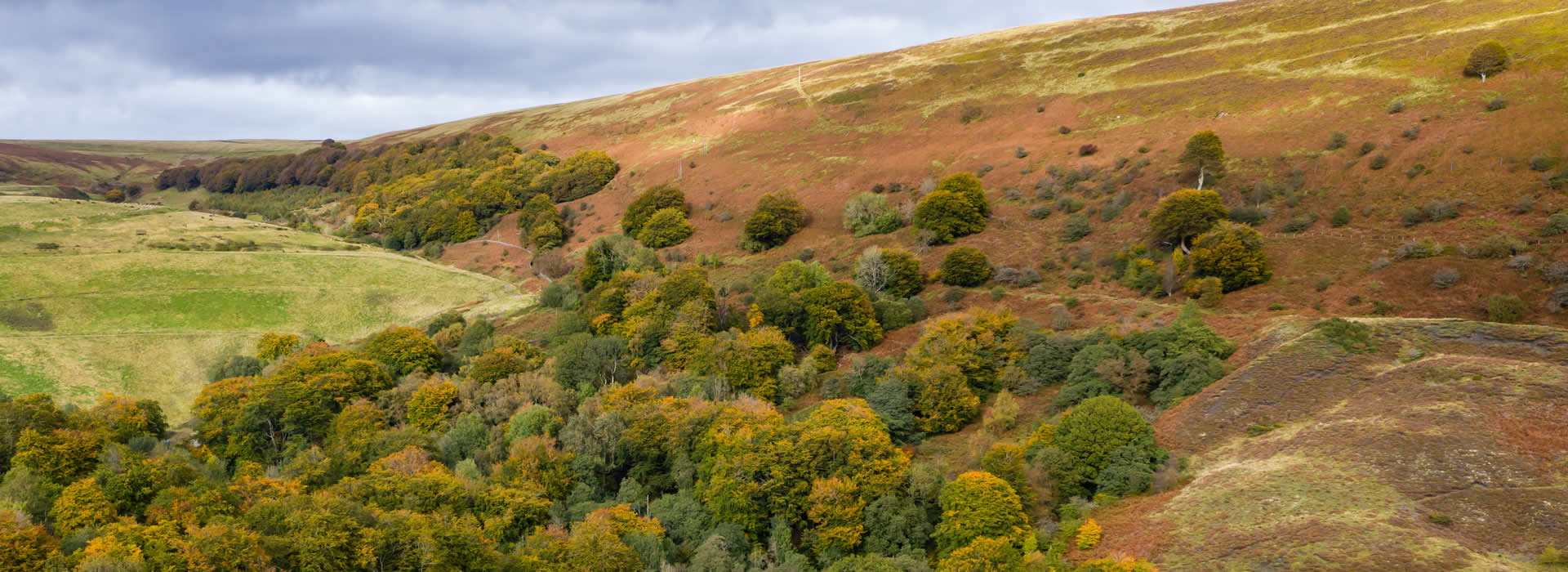
Chepstow is situated on the banks of the River Wye, surrounded by stunning natural beauty, including the Wye Valley Area of Outstanding Natural Beauty. The physical landscape plays a significant role in the types of housing available in the area. The housing stock includes a mix of historic stone buildings, modern developments and family homes, offering a variety of choices for prospective buyers.
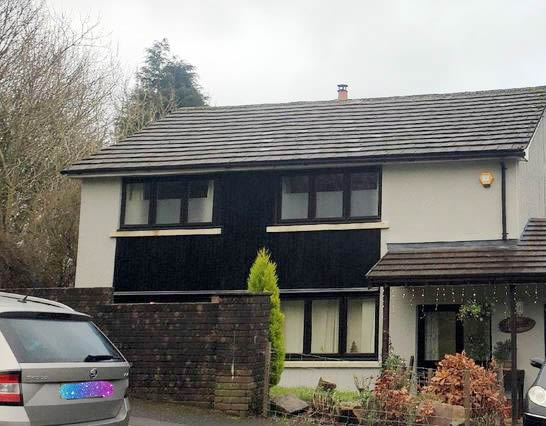
Housing in Chepstow primarily consists of detached, semi-detached and terraced properties, with many homes reflecting the local architectural style. The mix of older homes, particularly those constructed from sandstone and newer builds presents a range of options for buyers. Sandstone, while visually appealing, requires careful maintenance due to its porous nature, which can make it susceptible to weathering and damp issues if not properly cared for.
Unique Attributes of Chepstow
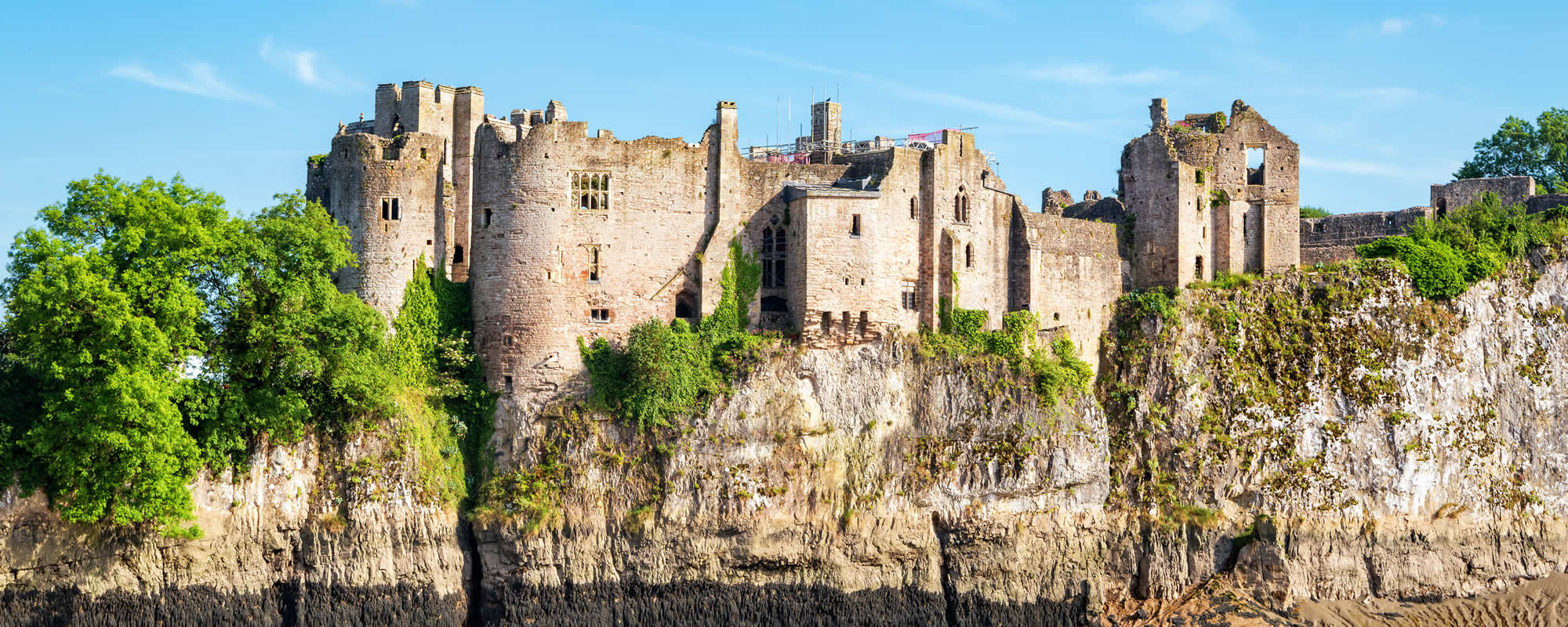
Chepstow is rich in history, with landmarks such as Chepstow Castle, one of the oldest surviving stone fortifications in Britain, dating back to the 11th century. The town’s historical significance is complemented by various cultural events and community activities throughout the year.
The Great Tubular Bridge, designed by Isambard Kingdom Brunel, is another iconic structure that adds to the area’s historical appeal. These landmarks not only enhance the town’s character but also serve as a reminder of its historical importance in the region.
Neighbourhoods and Amenities
Chepstow is divided into several neighbourhoods, each offering unique amenities and lifestyle options. The town centre provides a range of shops, cafes and restaurants, catering to diverse tastes. Local schools are well-regarded, making Chepstow an attractive option for families.
Nearby parks and recreational areas, including the picturesque Wye Valley, provide ample opportunities for outdoor activities such as hiking and cycling. This proximity to nature enhances the overall quality of life for residents.
Architectural Traits and Building Materials
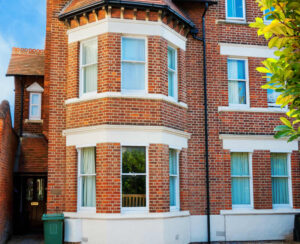
The architectural landscape of Chepstow showcases various styles, with many properties constructed from local sandstone. These traditional buildings often feature high ceilings and large windows, contributing to a spacious feel.
Homeowners should be mindful that sandstone, while aesthetically pleasing, can require more maintenance compared to other materials. Its porous nature can lead to moisture issues, so regular upkeep is essential to ensure the longevity of the property. Newer developments may incorporate modern materials designed for better energy efficiency, offering an alternative for buyers seeking low-maintenance options.
Flooding Risk and Radon Levels
Chepstow’s proximity to the River Wye does pose some flood risks, particularly for properties near the riverbanks. Homebuyers should consult local flood risk maps and consider the flood history of any prospective property.
Radon is a naturally occurring gas that can accumulate in homes, particularly in certain geological areas. In Chepstow, radon levels are generally low, but it is advisable for homeowners to conduct radon tests before finalising any property purchase. Long-term exposure to radon can pose health risks, making it vital for potential buyers to be proactive in ensuring that any home they consider has been tested.
Transportation and Connectivity
Traffic in Chepstow can be a significant issue, particularly during peak hours. The road network often experiences congestion, with gridlock occurring even from minor accidents. The commute to Bristol can be particularly lengthy due to this traffic situation. Prospective buyers should consider their commuting needs and the potential impact of traffic on their daily routines.
Chepstow is well-connected by road, with the M48 motorway providing access to larger cities and towns. The town also benefits from a railway station, offering services to Cardiff and other nearby locations.
Crime Rates
Safety is a key consideration for any homebuyer. Chepstow is regarded as the third safest small town in Gwent and ranks 44th out of 117 towns, villages and cities in the region. The overall crime rate in Chepstow in 2023 was 66 crimes per 1,000 people, which is 25% lower than the overall Gwent rate of 87 per 1,000. In a broader context, Chepstow ranks as the 337th safest small town across England, Wales and Northern Ireland.
Conclusion
Chepstow offers a blend of historical significance, natural beauty and community spirit, making it an attractive location for homebuyers. By understanding the local landscape, housing options and amenities, potential buyers can make informed decisions about relocating to this picturesque town. As always, it is advisable to conduct thorough research and consider factors such as commuting, safety and property maintenance needs before making a final decision.
House Hunting in Chepstow: Discovering the Best Places to Live
1. Chepstow Town Centre
- Pros:
- Offers a variety of shops, cafes and restaurants.
- Excellent transport links, including easy access to bus services and the railway station.
- Close to historical sites, such as Chepstow Castle and the River Wye, which provide recreational opportunities.
- Cons:
- Potential for noise and congestion, particularly during peak tourist seasons.
2. Piercefield Park
- Pros:
- A residential area with a mix of modern and older homes.
- Features green spaces and parks, ideal for families and outdoor enthusiasts.
- A quiet neighbourhood with a community feel, while still being close to the town centre.
- Cons:
- Limited amenities within the immediate vicinity, requiring travel to the town centre for shopping and dining.
3. St. Kingsmark
- Pros:
- Family-friendly with good local schools and amenities.
- Offers a mix of housing types, including detached and semi-detached homes.
- Close to parks and recreational facilities, providing plenty of outdoor activities.
- Cons:
- Housing prices may be slightly higher due to its family-oriented nature.
4. Wyesham
- Pros:
- A quieter residential area, perfect for families and retirees seeking a peaceful environment.
- Offers beautiful views of the River Wye and surrounding countryside.
- Good access to outdoor activities, including walking and cycling routes along the river.
- Cons:
- Further from the town centre, which may require driving for shopping and other amenities.
5. Beachley
- Pros:
- A picturesque village setting with a close-knit community.
- Proximity to the Wye Valley Area of Outstanding Natural Beauty, offering stunning landscapes and outdoor activities.
- Generally lower housing prices compared to central Chepstow.
- Cons:
- Limited amenities and services, so residents may need to travel to Chepstow for shopping and dining.
6. Llanishen
- Pros:
- An area with a mix of modern and traditional homes.
- Good local amenities, including schools, shops and parks.
- A community-focused environment, making it appealing for families.
- Cons:
- Some parts may experience higher traffic levels during peak times.
7. The A466 Area
- Pros:
- Access to scenic views and green spaces, ideal for nature lovers.
- Properties often feature larger gardens and open spaces.
- Close to the main road for easy access to nearby towns and cities.
- Cons:
- Depending on location, noise from the road may be a concern for some residents.
These areas in Chepstow each offer distinct advantages, making them appealing for various types of residents, from families to retirees. When considering a move, it’s essential to visit different neighbourhoods to find the one that best fits your lifestyle and needs