Introduction to Shaftesbury for Homebuyers
Shaftesbury is an historic town in Dorset with a distinctive character that draws visitors and potential homebuyers alike. Known for its iconic Gold Hill—famously featured in Ridley Scott’s Hovis bread advert—the town offers a mix of history, charm and unique rural living. However, with limited services and its somewhat isolated location, it’s essential to understand Shaftesbury fully before making a move.
Geography and Housing
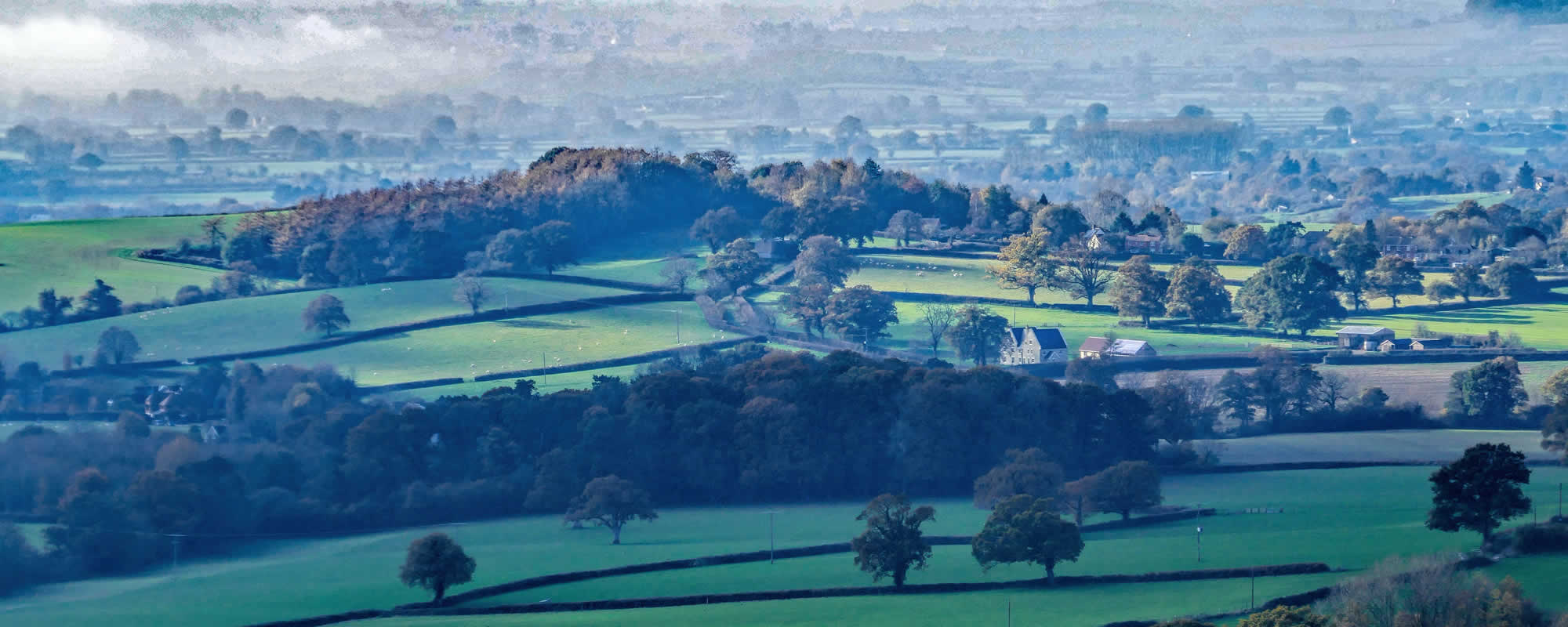
Shaftesbury sits atop a large hill, which provides incredible views but also brings a cold and windy climate throughout much of the year. The town’s elevation and rural location contribute to its isolated feel, with locals noting it’s a bit off the beaten path—roughly 45 minutes from nearby urban centres. Many homes are period properties with stone cottages and traditional terraced houses dominating the housing market. While this offers plenty of character, it can also mean fewer modern amenities nearby unless you travel further south to towns like Wimborne or Dorchester.
Unique Attributes of Shaftesbury
One of Shaftesbury’s most famous landmarks is Gold Hill, an historic cobbled street that has appeared in countless calendars and advertisements. This quintessentially English view is a favourite stop for visitors and provides a snapshot of the town’s aesthetic. However, those moving here will find that the town has limited local services compared to more urban areas, with access to essentials requiring travel to nearby towns like Salisbury or Dorchester.
Neighbourhoods and Amenities
Shaftesbury has limited services and amenities, which can be challenging for new residents. While the town itself offers a quieter lifestyle with local cafes, markets and essential shops, it may lack the bustling amenities of larger towns. For families or those with a preference for proximity to schools and services, towns like Salisbury or Wimborne may be better options. For transport connections, Ringwood in Hampshire offers convenient access to the South East’s commuter links while maintaining proximity to Shaftesbury.
Flooding Risk and Radon Levels
Like many rural locations in Dorset, Shaftesbury does have areas at risk of flooding, particularly following heavy rainfall. Although it is not considered a high-risk flood zone compared to other areas in the region, potential homebuyers should be aware of any nearby rivers, streams or local drainage concerns that could lead to problems during adverse weather. It’s always wise to check historical flood data for the property’s location when considering a purchase.
Radon levels are another important environmental consideration in Shaftesbury. Radon is a naturally occurring gas linked to geological formations in certain areas of the UK. It can accumulate in homes, particularly in older properties with poor ventilation. Shaftesbury does see naturally occurring radon due to its rural geology, though levels are generally low compared to other radon hotspots. Homebuyers should check if radon mitigation measures have been taken in older properties or if the home has adequate ventilation to reduce risk.
Crime Rate and Safety
Shaftesbury is considered the most dangerous small town in Dorset, with its crime rate significantly higher than the Dorset average. According to recent statistics, the overall crime rate stands at 76 crimes per 1,000 people, which is 25% higher than Dorset’s average of 61 per 1,000. For comparison, Shaftesbury is ranked among the top 10 most dangerous towns in Dorset overall. While the town does experience crime, prospective homebuyers should ensure they explore local safety measures and speak to residents about their experiences in the area.
Transportation and Connectivity
Shaftesbury’s rural location provides a quieter lifestyle, but its transport links are somewhat limited. While the town itself has easy access to the A30 and A303, connecting to Salisbury and other urban hubs in Dorset, it remains a 45-minute journey from major centres. Residents may need to rely on car transport for most day-to-day travel. For those commuting to larger cities, Salisbury offers excellent rail links. Ringwood, further to the east, is a good alternative for those prioritising better connectivity options while maintaining proximity to Shaftesbury.
Education and Family Life
Families considering a move to Shaftesbury will find limited local education options directly within the town. Most families opt to commute to nearby areas like Salisbury for access to comprehensive primary and secondary schools. In addition, opportunities for further education are better served in larger towns and urban centres. Shaftesbury offers a quieter environment, with family-friendly parks and green spaces for recreation. However, families should plan for travel if prioritising schools and amenities is essential.
Comparison with Nearby Areas
Compared to other nearby towns such as Dorchester and Wimborne, Shaftesbury is quieter and more rural. While Dorchester offers more services and amenities, including better connectivity to the coast, Shaftesbury offers a very rural lifestyle with unique local heritage. Similarly, Salisbury has better infrastructure for families and commuting, making it a practical choice for those seeking urban links. However, Ringwood (in Hampshire) provides excellent regional access while maintaining a small-town feel.
Where’s the best place to live in Shaftesbury?
Choosing the best place to live in Shaftesbury depends on individual needs, lifestyle preferences and budget. The historic market town offers a range of housing options, from period homes to modern developments, each with its own appeal. Below are some of the most sought-after areas in Shaftesbury, based on local insights and property trends:
1. The Shaftesbury Town Centre
The town centre is ideal for those who want to be close to local amenities, shops and historic landmarks such as Gold Hill. Living in or near the heart of Shaftesbury offers convenience, as residents have easy access to independent shops, cafes and the local healthcare facilities. However, properties here can be slightly smaller, reflecting the town’s historical nature.
2. Blackmore Down
One of the most modern residential areas in Shaftesbury, Blackmore Down offers newly built homes with contemporary features and excellent energy efficiency. This area provides a quieter lifestyle with easy access to the countryside and nearby green spaces. Blackmore Down is a popular choice for families and professionals looking for a modern living environment while staying connected to the town’s amenities.
3. Saxon Grange
Saxon Grange offers a mix of affordable family homes and larger properties, ideal for those who value spacious living and proximity to local parks and walking routes. This area combines convenience with accessibility, making it a great choice for families and professionals relocating to Shaftesbury.
4. Areas Close to Salisbury and Dorchester
For buyers prioritising connectivity and access to broader amenities, areas closer to Salisbury or Dorchester are a viable option. These towns provide better access to transport links, schools and larger shopping facilities. Residents looking for a balance between the rural appeal of Shaftesbury and urban accessibility may consider these neighbouring towns.