Thinking of Moving to Wrexham? Here’s What You Need to Know
Geography and Housing
Wrexham sits in the north-east corner of Wales, sharing a border with Cheshire to the east and backed by the Clwydian Range and Dee Valley Area of Outstanding Natural Beauty to the west and south. That geography matters when it comes to property.
The town itself is predominantly low-lying, with flat to gently rolling residential streets and a mix of Victorian, interwar and post-war housing stock. Move outward — towards Gresford, Rossett, Holt or Overton — and the character shifts noticeably. Properties here tend to be larger, older and often built in traditional materials. The landscape becomes more rural, and the buyer profile changes accordingly.
This spread means Wrexham genuinely suits a wide range of buyers. Affordable terraced homes close to the town centre. Comfortable family semis in well-established suburbs. Desirable village properties with gardens and countryside on the doorstep. The borough has more range than many buyers expect.
A Town With More Going On Than It Used to Get Credit For
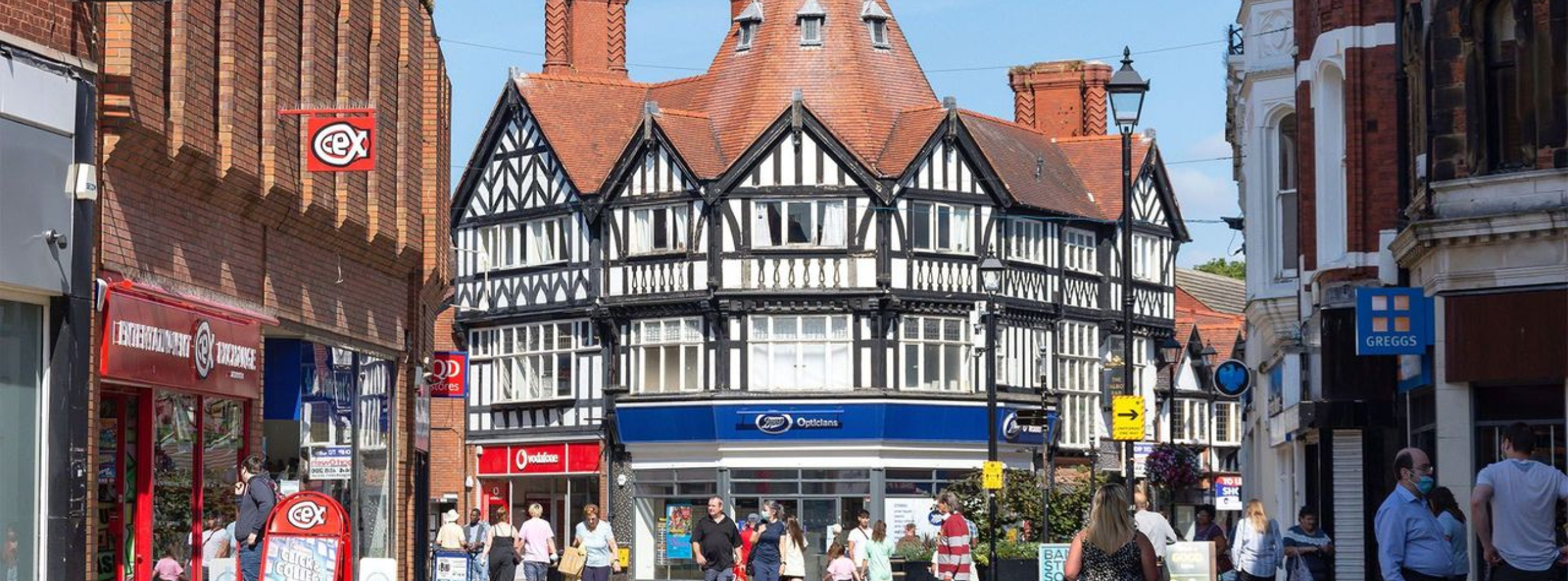
Wrexham has spent years being underestimated — and that’s changing fast. The town’s industrial past shaped it in ways that are still visible: the red brick terraces, the former works sites now repurposed, the strong working-class community identity. But alongside that heritage is a town that’s been quietly developing a more varied identity.
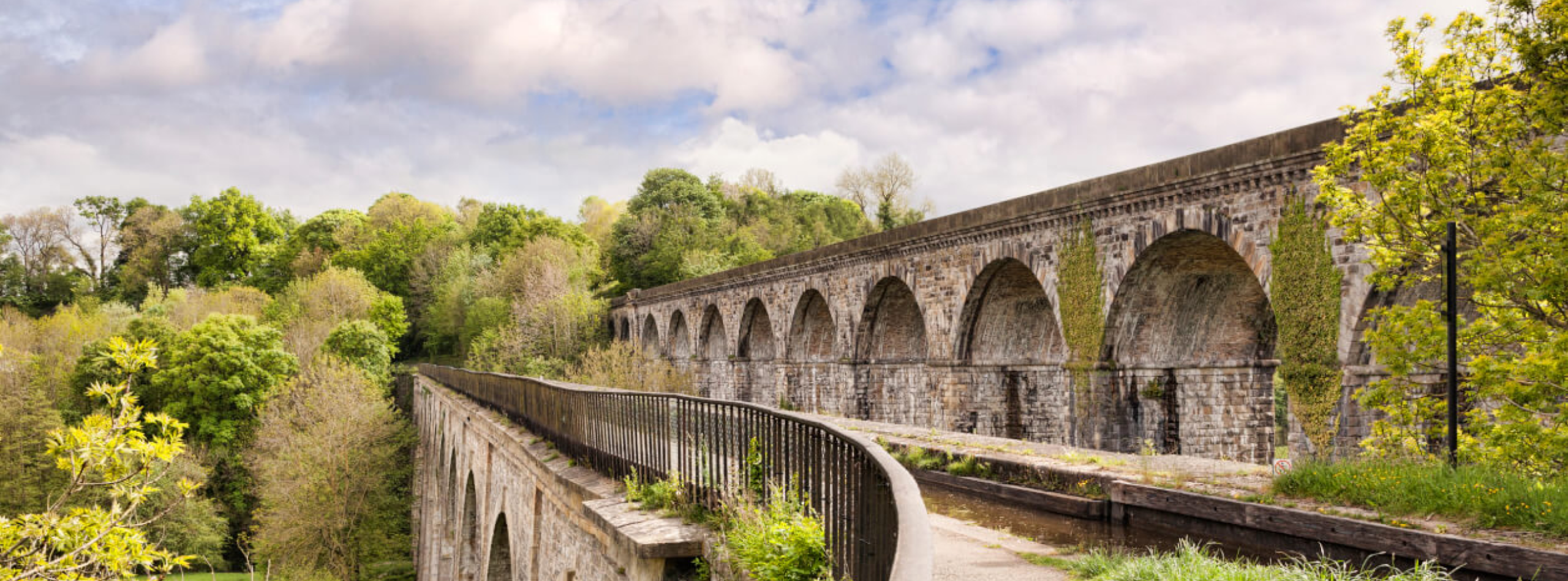
Wrexham AFC’s story has put the town in front of a global audience. Erddig — the National Trust estate on the edge of town — draws visitors from across the country. St Giles’ Church, one of the Seven Wonders of Wales, sits at the heart of the town centre. The Clwydian Range, the River Dee valley and the Pontcysyllte Aqueduct (a UNESCO World Heritage Site) are all within easy reach. There’s more here than the headlines have historically suggested.
Neighbourhoods and Amenities
Wrexham’s residential areas have distinct characters. The town centre and inner suburbs offer convenience and affordability. Borras and Rhosnesni are the go-to choices for families wanting good schools and established communities. The villages to the east — Gresford, Rossett, Holt — attract buyers who want space, quiet and a sense of place, without losing access to Wrexham and Chester.
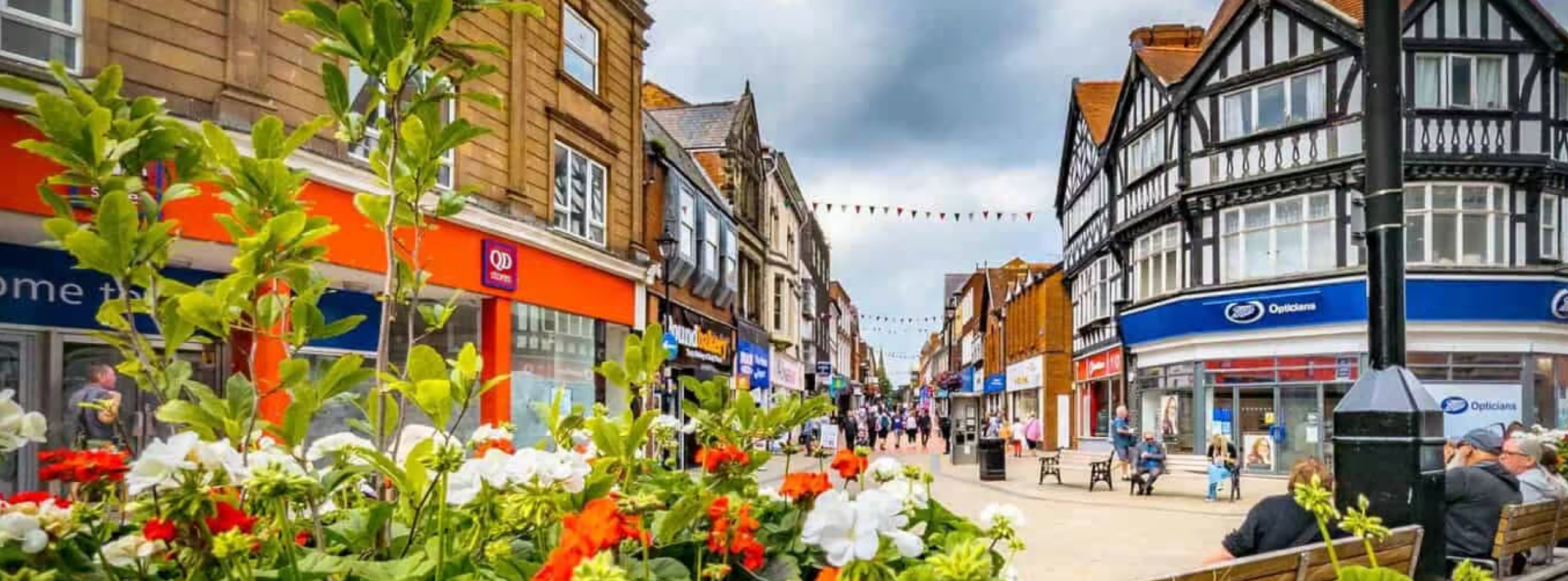
For day-to-day living, Eagles Meadow shopping centre handles the main retail needs. The town has a growing food and drink offer, with independent businesses adding to the mix. Wrexham Maelor Hospital provides substantial healthcare provision. Glyndŵr University adds a student population and cultural energy to the town centre.
Architectural Traits and Building Materials
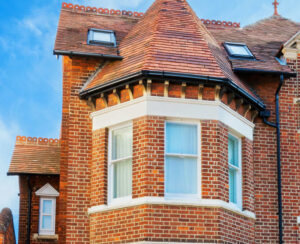
Wrexham’s housing stock spans a wide range of construction periods, and each comes with its own considerations. Victorian and Edwardian terraces — common in streets around the town centre — are typically red brick with slate roofs. Solid when maintained, but prone to the defects you’d expect from properties over a century old: damp ingress, roof wear, aging drainage.
Interwar semis from the 1920s and 30s make up a large part of the suburban stock. Generally robust, but cavity wall construction from this period can have variable insulation and the occasional poorly executed modification. Properties in the outer villages may feature stone construction, lime render or timber frames — all materials that require specialist assessment.
Our surveyors know what to look for across all of these property types. That local building knowledge is one of the most important things a surveyor brings to the table.
Flooding Risk and Radon Levels
The River Dee and its tributaries run through and around parts of Wrexham borough. Properties in the river valleys — particularly near Holt, Overton and sections of the Dee corridor — carry a genuine flood risk that buyers should assess before proceeding. Natural Resources Wales publishes up-to-date flood maps and risk assessments that are worth consulting early in the buying process.
Radon is a naturally occurring gas that varies in concentration depending on local geology. Certain areas of north-east Wales have recorded elevated radon levels, and this is worth checking for any property you’re considering. Public Health Wales and the UK Health Security Agency provide radon risk maps, and mitigation measures are straightforward to install if required.
Transportation and Connectivity
The A483 dual carriageway runs north from Wrexham to Chester and the wider motorway network — a key commuter route for those working across the border. South and west, the road network connects to Oswestry, Shrewsbury and the A55 North Wales Expressway.
By rail, Wrexham General offers services to Chester with onward connections to Liverpool, Manchester and beyond. Wrexham Central connects to the Borderlands Line. Chester is the main interchange for longer-distance travel.
Liverpool John Lennon and Manchester airports are both within an hour’s drive, giving Wrexham good international connectivity without the premium prices that come with living in either city’s commuter belt.
Education and Family Life
Wrexham has solid educational provision across the borough, with both English-medium and Welsh-medium options at primary and secondary level. Secondary schools including St Joseph’s RC High School and Ysgol Morgan Llwyd are well-regarded locally. Welsh-medium education is a meaningful consideration for families and worth factoring into area decisions early.
Glyndŵr University provides local higher education and contributes to the town’s demographics and cultural offer. For younger children, Erddig’s parkland, local nature reserves and the wider countryside give families real outdoor leisure options — not just at weekends but day to day.
Comparison with Nearby Areas
Against Chester, Wrexham offers considerably better value — you get more space and more property for the money, with the same road and rail links east. Against other North Wales towns, Wrexham has stronger employment prospects, better connectivity into England and a more diverse economy. It’s not a compromise — for many buyers, it’s the first choice once they look past the assumptions.
House Hunting in Wrexham : Discovering the Best Places to Live
Every part of Wrexham offers something different. Here’s a straightforward breakdown of the areas buyers most commonly consider.
For Families
Borras
- Pros: Consistently one of the most popular areas for families in the borough. Good school options, well-kept residential streets, a mix of semis and detached homes with gardens, established community feel.
- Cons: Prices reflect the demand. Limited in terms of independent local retail — you’re relying on the town centre or out-of-town options for most shopping.
Gresford
- Pros: A proper village with a strong community, well-regarded local schooling, period and modern housing side by side, and easy reach of both Wrexham and Chester. Popular for good reason.
- Cons: Prices are towards the top end for the borough. The village itself has limited amenities — you’ll need a car for most things.
Rossett
- Pros: Village living right on the Wrexham/Chester border. Quiet, safe, good schools, a mix of bungalows and family homes. A natural choice for buyers who work in Chester but want more space and lower prices.
- Cons: Among the priciest locations in the borough. Very limited local services — it’s a commuter village first and foremost.
For Young Professionals
Town Centre and Queensway
- Pros: Walking distance to work, shops and transport. More affordable entry-level flats and terraces. Both rail stations are accessible. Good choice if you don’t want or need a car.
- Cons: Some streets have elevated crime rates. Parking is limited and can be costly. Not the greenest environment.
Rhosnesni
- Pros: Well-connected and unpretentious. Predominantly interwar semis in decent condition. Close to town without being in the thick of it. Solid rental demand if you’re buying to invest.
- Cons: Lacks the character of the villages. Some streets are busier than buyers expect.
For Those Seeking a Balance
Holt
- Pros: A genuinely attractive village on the River Dee, with a medieval castle and a strong sense of history. Period properties, a real community and countryside right on the doorstep. Increasingly popular with buyers wanting character.
- Cons: Limited services in the village itself. Car is essential. Prices have risen as buyers have discovered it.
Llay
- Pros: One of the more affordable corners of the borough. A self-contained community with local amenities, decent road links and a quieter pace of life than the town centre suburbs.
- Cons: Fewer premium property options. Less sought-after than Borras or the villages, which affects long-term price growth.
Johnstown and Rhostyllen
- Pros: Affordable, accessible and underrated. Good road links south and west, a mix of property types and lower entry prices than the more established suburbs.
- Cons: Variable quality across different streets. Needs more investment in parts of the housing stock.