Moving to the Wirral? Here’s an Honest Guide
A Peninsula With Serious Range
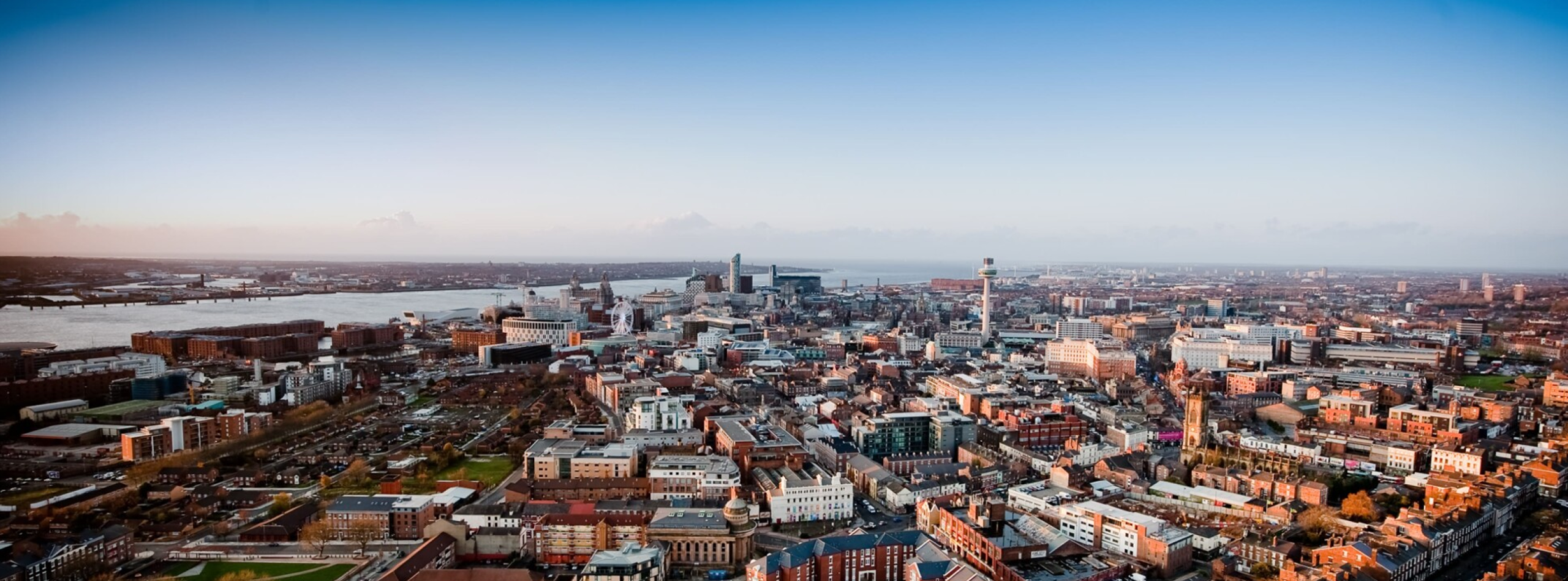
The Wirral is genuinely hard to categorise in a single description. Twelve miles wide and separated from Liverpool by the Mersey, it manages to be simultaneously urban and rural, coastal and suburban, historic and regenerating. The western edge faces the Dee Estuary and the hills of North Wales — an Area of Outstanding Natural Beauty visible from beachfronts in West Kirby and Hoylake. The eastern edge runs along the Mersey, anchored by Birkenhead and connected to Liverpool by the Mersey tunnels and the Merseyrail network.
Between those two coastlines, buyers will find almost every type of residential property imaginable — from Victorian terraces in Birkenhead and Wallasey to Arts and Crafts houses in Port Sunlight, from sprawling detached homes in Caldy and Thurstaston to new waterfront apartments in New Brighton. Understanding which part of the peninsula suits you is the first and most important question to answer.
History You Can See in the Buildings
The Wirral’s built environment tells the story of its past clearly. Port Sunlight — built by William Lever to house workers from the Sunlight Soap factory — is one of England’s most complete model villages and a conservation area of genuine national significance. Its Arts and Crafts architecture and formal garden layout are unlike anything else in the North West.
Birkenhead has its own significant history: the first tramway in Britain ran here in 1860, and the town’s Victorian street grid reflects the ambitions of its original planners. Hamilton Square, with its Grade I listed Georgian terraces, is one of the finest Victorian squares outside London. The Wirral’s industrial docklands have shaped the Left Bank regeneration agenda — sites that once handled global trade are now being transformed into residential and commercial neighbourhoods.
Where People Live and What They Value
The Wirral’s residential areas are clearly differentiated — and buyers tend to have strong views about which side of the peninsula they want to be on.
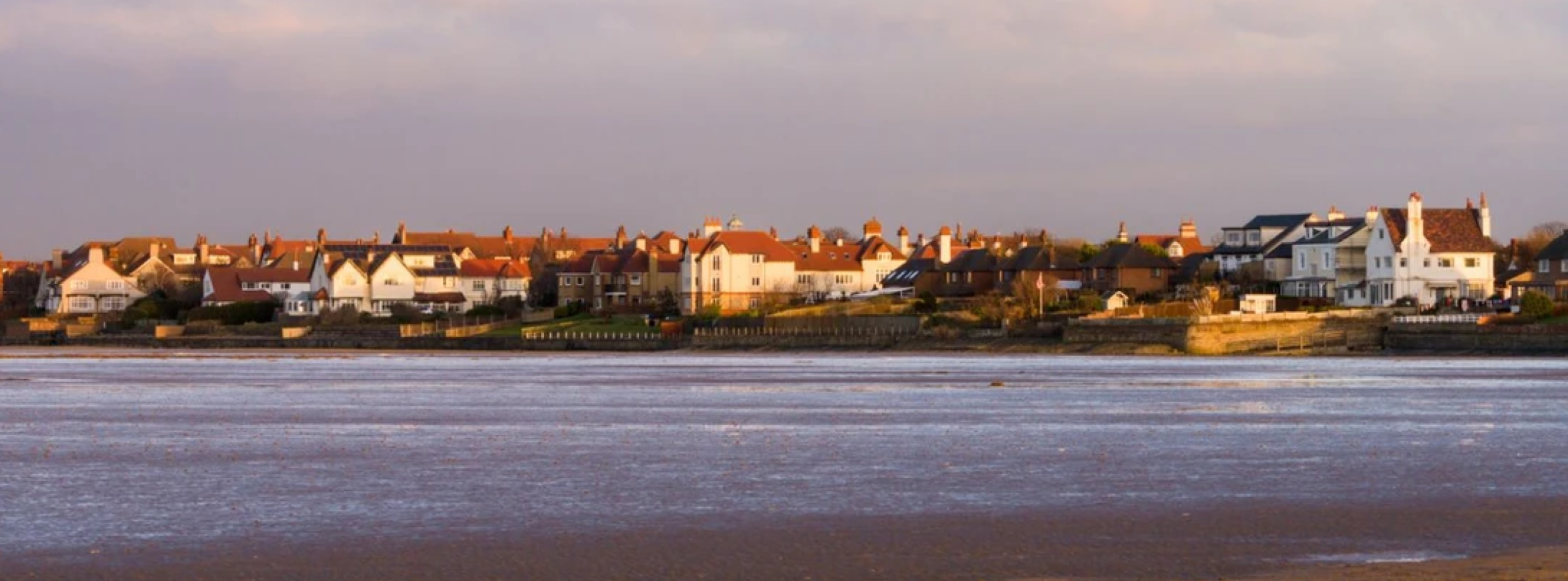
The west-facing coast — West Kirby, Hoylake, Meols, Caldy — is consistently among the most desirable. It offers sea views, the RNLI coast, access to the Dee Estuary and a village atmosphere with strong independent retail and good schools. Heswall and Gayton attract families who want space, greenery and the convenience of good road links south towards Chester.
Oxton, Prenton and Claughton are popular with buyers who want the character of older Victorian and Edwardian housing without the price premium of the coastal villages. These areas sit within easy reach of Birkenhead town centre and the tunnels to Liverpool, making them practical choices for city commuters.
New Brighton and Wallasey have undergone meaningful change — the waterfront has been improved significantly, and the area attracts buyers seeking coastal living at prices that remain accessible compared to the western side of the peninsula.
What to Know About Wirral Buildings
The Wirral’s coastal environment creates specific challenges for property maintenance. Salt-laden air from both estuaries accelerates the deterioration of render, pointing and metalwork. Properties on or close to the coast — particularly in West Kirby, Hoylake and New Brighton — should be inspected carefully for weather-related wear that may not be obvious on a standard viewing.
The peninsula’s sandstone geology creates conditions that can affect drainage and, in some cases, ground stability. Properties close to the sandstone escarpment that runs through the middle of the peninsula — through Oxton, Bidston Hill and beyond — can sit on ground with variable bearing capacity.
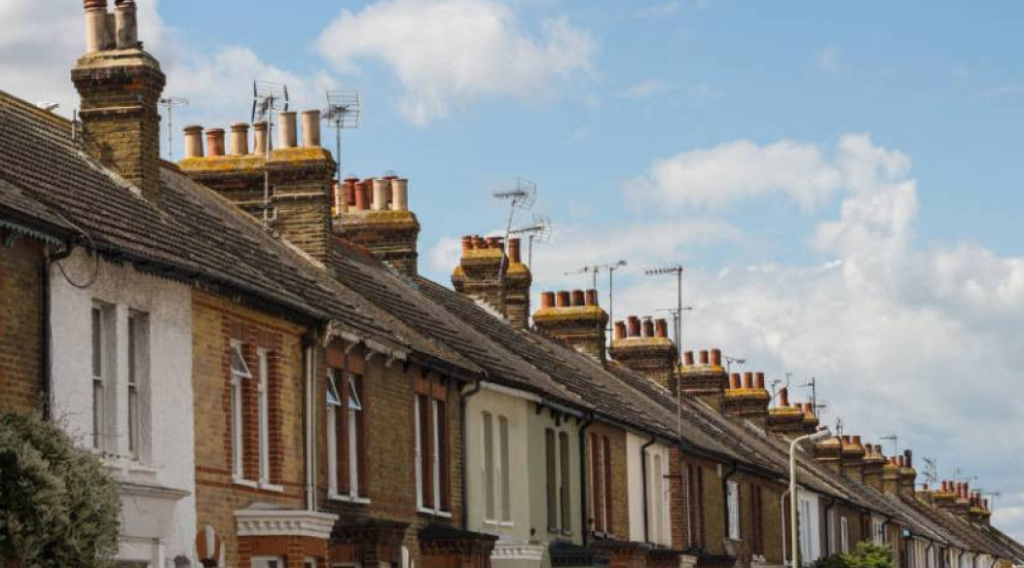
Victorian and Edwardian stock in Birkenhead, Wallasey and Oxton is predominantly brick-built with slate roofs, often featuring original sash windows, decorative brickwork and basement areas. All can present specific issues — from damp at lower ground level to chimney and roof void problems — that a professional survey will identify and quantify.
Flood Risk and Coastal Considerations
Living on a peninsula means flood risk is a relevant consideration for a meaningful proportion of Wirral properties. Areas close to the Mersey, the Dee and low-lying coastal land — including parts of Leasowe and sections of the New Brighton waterfront — carry varying degrees of flood risk that should be assessed before any purchase. The Environment Agency’s flood risk maps are the right starting point, and your surveyor can flag any concerns identified during inspection.
Radon levels across the Wirral are generally low, but checking for your specific postcode via the UK Health Security Agency’s map is worth doing as part of your due diligence.
Getting Around
Merseyrail is one of the peninsula’s genuine assets. The two lines — the Wirral Line running through Birkenhead to Liverpool, and the City Line — give residents fast, frequent connections into Liverpool city centre from stations across the borough. West Kirby, Hoylake, Heswall, Neston, Birkenhead, Wallasey and New Brighton all have rail access.
By road, the Mersey tunnels — Queensway and Kingsway — provide direct links to Liverpool. The M53 motorway runs down the spine of the eastern Wirral, connecting to the national motorway network at junction 1 and the A55 North Wales Expressway heading west. Liverpool John Lennon Airport is approximately 25 minutes from Birkenhead. Manchester Airport is under an hour.
Schools and Family Life
The Wirral is well-regarded for its schools. The borough has a mix of community, Catholic, faith and selective schools at secondary level, with Wirral Grammar Schools for boys and girls being particularly sought-after. Several independent schools including Birkenhead School and The Birkenhead High School Academy GDST are based on the peninsula.
Primary provision is strong across most areas, and the range of outdoor space — from the beach and marine lake at West Kirby to the country parks at Thurstaston and Dibbinsdale — gives families genuine recreational options on the doorstep.
How Wirral Compares
Against Liverpool, the Wirral offers more space, lower crime rates in most areas, better school options and a more varied natural environment — at broadly comparable or only slightly higher prices. Against North Cheshire, it offers better transport connectivity into Liverpool and more accessible price points. Against Southport to the north, the Wirral wins on connectivity, variety and employment access. For buyers who do their research, it consistently outperforms expectations.